
SOUTHERLAND COMMUNITIES ACQUIRES THE RESERVE AT ST. CHARLES BAY
Source: PR Newswire
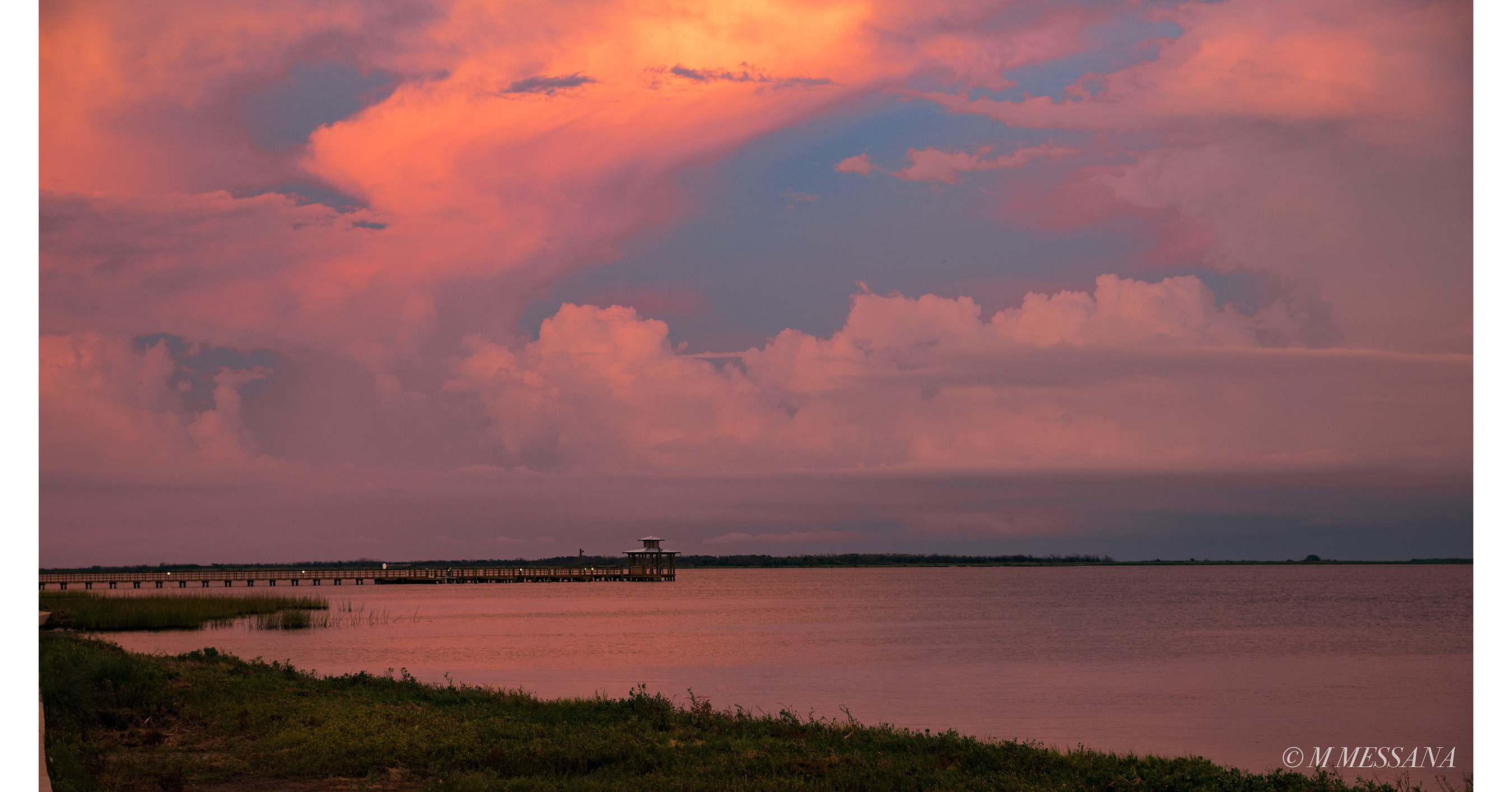
Southerland Communities acquired The Reserve at St. Charles Bay, a 130-acre waterfront residential community in Rockport, Texas, from McCombs Enterprises. The property has 120 completed privately owned homes, while roughly half its acreage remains available for development; Southerland plans additional canals, waterfront homesites and amenities. The transaction signals continued investment in Texas Coastal Bend luxury residential development, though no purchase price or financial terms were disclosed.
Analysis
This is not directly investable: both parties are private and the asset scale is immaterial for public Texas housing proxies. The relevant read-through is modestly constructive for high-end second-home demand on the Texas coast, but a single waterfront-community transaction does not establish broader pricing power or volume acceleration for public builders.
The more consequential mechanism is development-cost inflation and coastal-permitting risk. Incremental canals, docks and waterfront infrastructure carry unusually high exposure to labor, dredging, insurance and environmental approvals; if buyers resist higher lot/home pricing, residual land margins compress before headline home-price weakness becomes visible. Public builders with meaningful Texas exposure—D.R. Horton (DHI), Lennar (LEN), PulteGroup (PHM) and Taylor Morrison (TMHC)—are diversified enough that this transaction has no earnings relevance, though it reinforces the bifurcation between affluent amenity-oriented demand and rate-sensitive entry-level demand.
Over the next 6-18 months, coastal insurance availability and catastrophe reinsurance pricing are the more investable variables than local development announcements. A severe Gulf storm season, tighter flood-map standards, or higher Texas windstorm premiums could impair absorption and financing at waterfront projects while benefiting insurance brokers and specialty carriers through higher premiums, subject to loss-cost risk. Conversely, sustained mortgage-rate declines and resilient Texas employment would support luxury second-home demand, but the private buyer's planned capital program should be treated as promotional until permits, lot releases and pricing are independently observable.
Contrarian view: investors should not extrapolate this into a broad Texas housing recovery signal. Luxury waterfront buyers are less mortgage-sensitive, while the listed builders' near-term earnings remain much more dependent on incentives, land costs and first-time-buyer affordability in major metro markets.
AllMind Terminal
AI-powered research, real-time alerts, and portfolio analytics for institutional investors.
Request TrialMarket Sentiment
Overall Sentiment
moderately positive
Sentiment Score
0.42
Key Decisions for Investors
- No standalone equity trade on this announcement; monitor Aransas County permits, waterfront lot pricing and Texas Windstorm Insurance Association rate actions before assigning any public-market read-through.
- For Texas housing exposure over 3-6 months, prefer TMHC or PHM over DHI only if mortgage rates decline and incentive intensity moderates; reassess if quarterly gross-margin guidance falls more than 100 bps or cancellation rates rise.
- Use a coastal-risk watchlist rather than a directional insurance trade: monitor AON and BRO for pricing-benefit potential, but avoid assuming gains without evidence that Gulf loss activity remains below reinsurance attachments.
- If a major Gulf storm drives a sharp selloff in diversified builders without a material change in Texas-wide demand or insurance underwriting, consider selectively buying PHM/TMHC weakness; avoid concentrated coastal private-development analogs where project-level insurance and permitting can dominate equity value.
More News
- Kinder Morgan, Energy Transfer and Williams could benefit from cheap natural gas
- Vertex reports positive IgAN trial data, FDA decision due Nov. 30
- The real test for Moderna’s cancer vaccine isn’t about beating Keytruda. It’s keeping cancer from coming back in the long term.
- Volvo CEO Says China Market Gone, Luxury Weakness Remains
- ‘There’s nothing temporary about a temporary store’: How Spirit Halloween’s CEO took it from 130 stores to 1,550—and swallowed your mall’s Hot Topic
- J&J prostate cancer drug shows promising tumor responses in early trial