
Recreation Facilities Seek Alternatives to Infilled Turf as Sustainability and Maintenance Pressures Grow
Source: PR Newswire
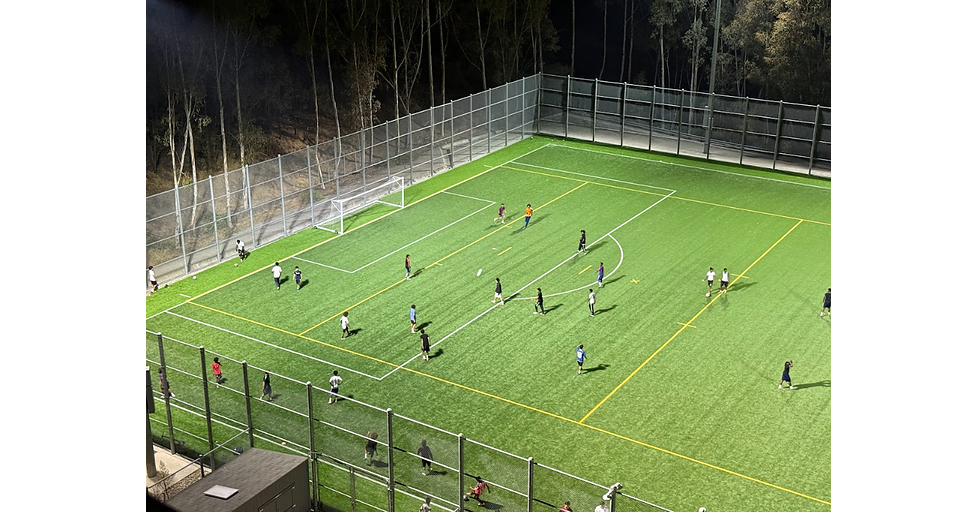
San Diego State University's Associated Students replaced a traditional infilled synthetic turf recreation field with TenCate's infill-free Pivot Performance Turf. The installation is designed to reduce maintenance associated with sand and rubber infill while supporting sustainability goals through no added PFAS, no primary microplastics, and an end-of-life recycling pathway. The project reflects growing institutional demand for lower-maintenance, more recyclable sports-surface infrastructure.
Analysis
This is a low-signal private-company procurement announcement rather than evidence of material demand inflection. The investable read-through is that institutional buyers may increasingly value total cost of ownership and end-of-life handling over lowest installed cost, creating a modest premium-product opportunity for differentiated turf systems—but one installation does not establish pricing power, adoption velocity, or a defensible recycling economics model.
The more consequential second-order risk sits with incumbent infill suppliers and commodity-style turf vendors: procurement specifications that exclude rubber infill, PFAS, or intentionally added microplastics could shrink addressable demand before volumes visibly decline. Municipal and university bids typically turn on specification changes and multi-year capital budgets, so any displacement would emerge over 6-18 months, not from near-term revenue. Claims regarding maintenance savings and recyclability require independent lifecycle-cost data; if installation cost, field longevity, or recycling logistics disappoint, buyers may revert to conventional systems.
No direct public-equity exposure is sufficiently clean to warrant a trade. Monitor state-level PFAS restrictions, municipal procurement language, and tender wins by infill-free systems as leading indicators; a cluster of wins across large school districts or municipalities would be more actionable than higher-education pilots. The contrarian view is that sustainability specifications may accelerate faster than suppliers can demonstrate lower lifetime cost, making this a tender-qualification story rather than a broad unit-growth story.
AllMind Terminal
AI-powered research, real-time alerts, and portfolio analytics for institutional investors.
Request TrialMarket Sentiment
Overall Sentiment
mildly positive
Sentiment Score
0.25
Key Decisions for Investors
- No immediate position: the disclosed event lacks a listed issuer, contract value, installed-cost comparison, and independently verified maintenance or durability data.
- Create a 6-12 month watchlist for public suppliers with exposure to artificial turf inputs, specialty polymers, and recycled-rubber markets; flag companies when public filings quantify turf-related revenue concentration or disclose lost bids tied to PFAS/infill specifications.
- Set an alert for state or municipal rules restricting PFAS or crumb-rubber infill in athletic fields. A binding procurement restriction, rather than voluntary campus adoption, would be the catalyst to reassess supplier-margin and volume assumptions.
- Before underwriting any thematic long, require evidence that infill-free systems sustain field availability and achieve lower lifecycle cost over at least one full replacement cycle; failure on durability or recycling execution would falsify the premium-adoption thesis.
More News
- This AI-picked stock jumps 18% on Amazon’s $8 billion power deal
- Asian stocks rise as oil retreat eases inflation fears, BOJ in focus
- Crusoe raises $3.9B to build massive data centers and small modular “AI factories”
- Jensen Huang says Nvidia will sell twice as many chips next year
- Waymo to launch robotaxis in Singapore, its first Southeast Asia market, by 2028
- Generac shares surge on big Amazon deal. Wall Street thinks the generator stock has more to go
From AllMind Research
- Anthropic IPO Preview: Valuation, Timing, and What to Watch
- Shein After the IPO: Venue, Valuation, and What Must Be Proved
- What AI Research Tools Should a Small Hedge Fund Buy First?
- Introducing AllMind: A New Data & AI Workspace for Institutional Investors
- AI Tools for Private Equity Due Diligence: A Buyer Workflow