
Hull Street Energy Completes Acquisition of Peaking Plants in PJM, Expanding Milepost Power Portfolio
Source: PR Newswire
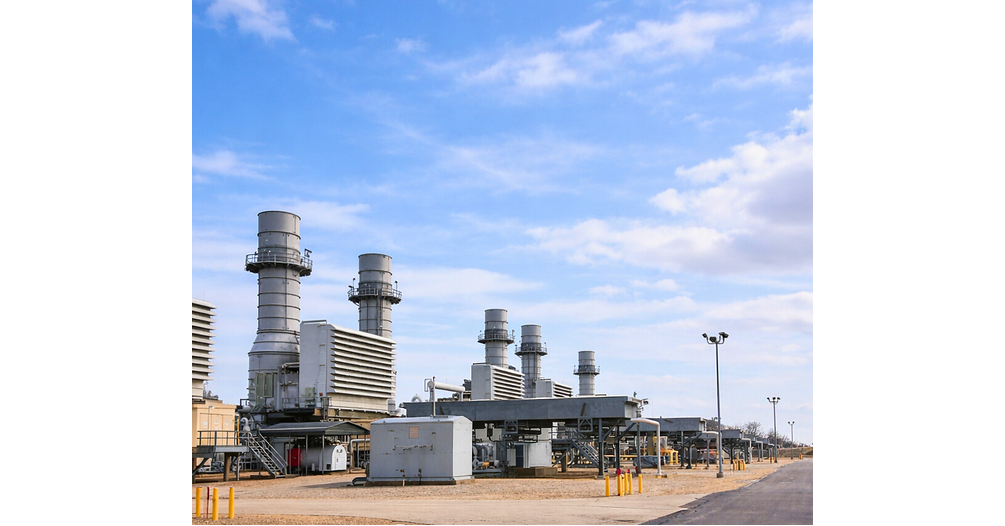
Hull Street Energy (HSE) completed the acquisition of two PJM power plants totaling 1,263 MW from Rockland Capital, funded via HSE equity plus committed senior secured debt. The GridFlex Portfolio adds a 677 MW Illinois natural gas turbine (Lee County Generating Station) and a 586 MW dual-fuel Ohio facility (Tait Electric Generating Station) to HSE’s Milepost Power platform, bringing HSE’s ownership to nearly 5,000 MW of gas/dual-fuel generation. Management framed the deal around improving dispatchable capacity amid declining reserve margins in PJM.
Analysis
This reads as a valuation signal for dispatchable thermal capacity, not a one-off asset sale. Private capital is still willing to lever mid-life PJM plants, which implies the market is assigning real option value to scarcity, ancillary services, and outage optionality — the exact earnings stack that public merchant names monetize better than regulated utilities. The most levered public read-through is to names with similar exposure to capacity tightening and volatile spreads, especially VST and NRG; the effect is less about today’s power price and more about a higher floor on forward EBITDA and replacement value.
Second-order, this is mildly negative for large PJM load buyers and utility portfolios that are long capacity procurement risk: as reserve margins tighten, the pass-through into future capacity auctions and retail rate cases gets less benign. Dual-fuel assets should command a premium over pure gas turbines because they hedge basis spikes and transmission constraints, so the market may start rewarding fuel optionality more than raw heat-rate efficiency. That favors fleets with flexible dispatch and disciplined leverage, while punishing operators who need stable spreads to service debt.
The main risk is that this is mostly a financing arbitrage story. If PJM reforms, milder weather, or a softer gas strip compress spark spreads, private-equity IRRs can be much worse than the headline asset optimism suggests. Over 1-3 months, watch PJM auction commentary, forward power curves, and gas basis; over 6-18 months, the thesis is broken if reserve margins stop deteriorating or new-build data center load fails to materialize.
AllMind Terminal
AI-powered research, real-time alerts, and portfolio analytics for institutional investors.
Request TrialMarket Sentiment
Overall Sentiment
mildly positive
Sentiment Score
0.25
Key Decisions for Investors
- Long VST / short XLU for 1-3 months: best expression of rising PJM scarcity value versus utility duration. Target 15-20% relative upside if forward capacity pricing firm; cut if XLU outperforms by >5% on falling yields or VST guidance weakens.
- Add on pullbacks to NRG for a 6-12 month hold: merchant thermal leverage should benefit if PJM tightness persists. Risk/reward is attractive into winter/summer peak cycles, but falsify the thesis if PJM forward power rolls over 10%+ or gas basis normalizes sharply.
- Buy a small basket of merchant power rather than single-name risk: VST + NRG, optionally paired with a short utility beta sleeve. This isolates scarcity pricing from broader rate-sensitive utility moves and reduces exposure to one plant-level outage or hedging mistake.
- Set an alert on PJM capacity auction headlines and forward summer strip spreads; if capacity expectations flatten or decline, reduce power longs quickly. That event is the cleanest near-term reversal signal.
More News
- Nvidia GPUs are everywhere. Here are the ways companies are accessing them
- Why is US turning to Russia for diesel despite sanctions?
- India unveils tough curbs on dollar demand to defend rupee
- Bank of America is bullish on these top stocks ahead of earnings
- Trump's Russian Diesel Deal Draws Ukraine Criticism
- Stocks were up this week. Here are the names that are now overbought