
iMotions Launches Browser-Based Platform for Faster and Smarter Creative Testing, Evaluation, Optimization
Source: PRWeb
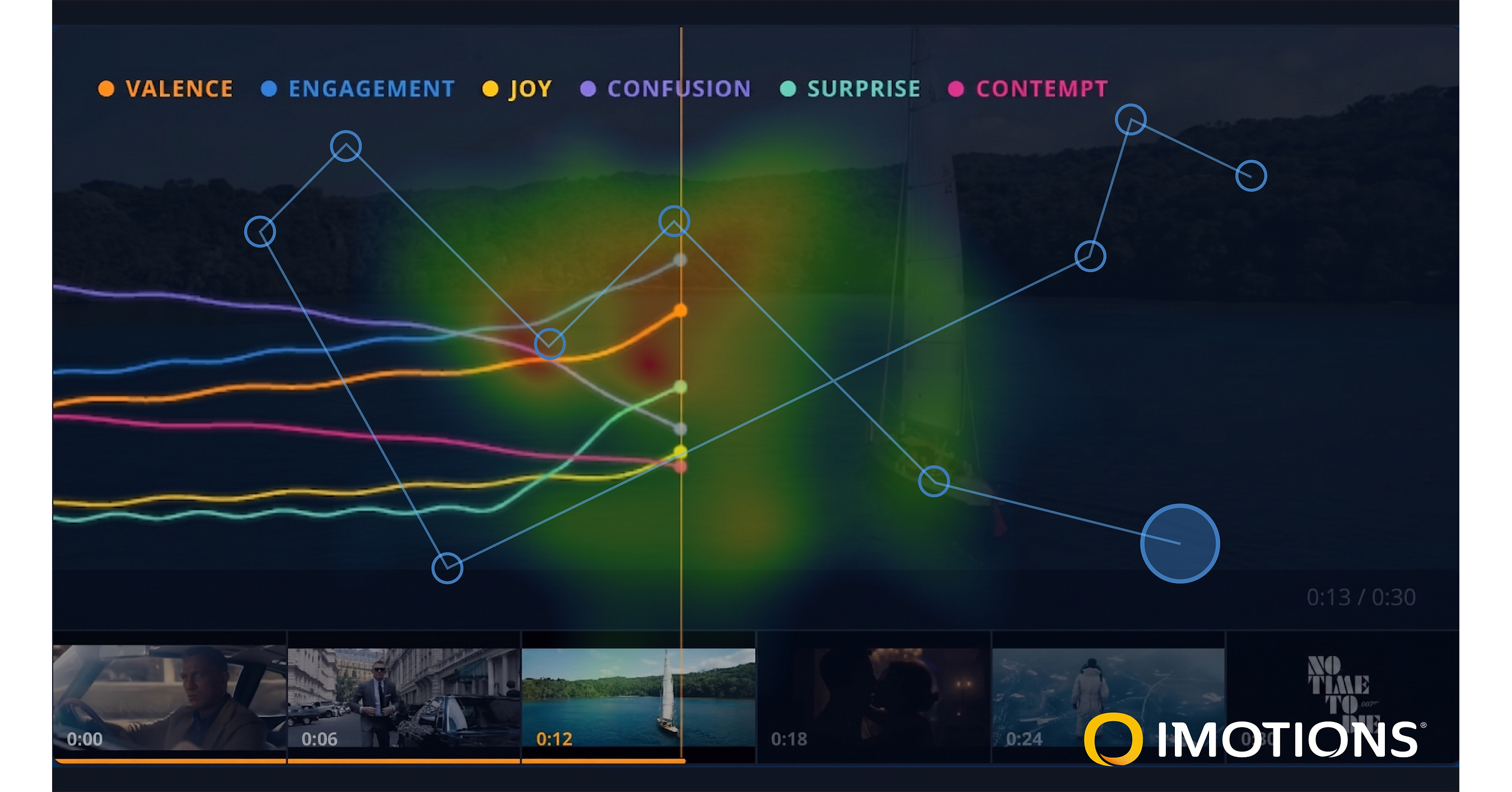
iMotions launched iMotions Online, a browser-based remote research platform combining webcam eye tracking, facial expression analysis, respiration monitoring, surveys, and AI predictive insights to test and refine ad/video/packaging content. The product includes three tiers—Predictive AI Benchmarking (benchmark scores and AI summaries in minutes), Media Analytics (real-respondent video testing vs norms), and Behavioral Research Online (custom multi-sensor studies). It leverages a database of 100,000+ tested video ads and 20M+ faces analyzed to provide segmented benchmarks by market, category, and geography.
Analysis
This is less a product launch than a workflow shift: creative validation is moving from bespoke, lab-heavy projects to a self-serve layer that can be embedded earlier in the marketing funnel. That tends to compress spend per study, but it can expand total test volume because the friction falls enough for mid-market brands and agencies to run more iterations. The economic winner is the data/panel layer that sits behind the test, not the analytics front-end; the loser is any incumbent whose moat depends on manual moderation, hardware, or high-touch consulting.
Second-order, the “AI benchmark” angle is a double-edged sword. If predictive scores become good enough to gate creative before human testing, the platform can cannibalize premium research workflows; if they are only directional, they simply increase throughput and become a lead-gen tool for deeper studies. Over 1-3 quarters, the key metric is conversion from benchmark-only usage into paid respondent studies; over 6-18 months, the moat depends on whether the database compounds into a true network advantage or gets commoditized by cheaper synthetic-testing tools.
From a public-market lens, the cleanest beneficiary is CINT: more remote consumer testing should lift panel utilization and pricing discipline if the category actually scales. The main contrarian risk is overestimating AI’s role; brands may use the platform to spend less on research per asset, which is negative for agencies and traditional research vendors even if usage counts rise. A thesis break would be evidence that benchmark-only workflows are substituting for full studies, or that customer adoption remains limited to pilots rather than recurring production use.
AllMind Terminal
AI-powered research, real-time alerts, and portfolio analytics for institutional investors.
Request TrialMarket Sentiment
Overall Sentiment
mildly positive
Sentiment Score
0.20
Key Decisions for Investors
- No direct trade in WWRL; treat this as a watch item until there is evidence of ARR expansion, seat growth, or study-volume disclosure.
- Modest long CINT over the next 1-3 months as a proxy for higher remote panel demand; risk/reward is favorable if utilization improves, but the thesis fails if panel pricing stays soft or volumes do not inflect.
- Relative-value idea: long CINT / short IPG or OMC into next earnings cycle if management commentary shows agencies are internalizing more of the creative-testing workflow; stop if ad-agency services growth accelerates.
- Avoid paying up for pure-play behavior-tech names on this release alone; the launch is more likely to shift mix than create immediate step-function revenue, so any long thesis should wait for customer traction data.
- Set an alert for any customer metrics showing benchmark-only adoption exceeds full-study conversion; that would signal cannibalization risk and argue for taking profits on CINT exposure.
More News
- AI Capex, Gamble or Jackpot?: Market Snapshot
- ‘I told you so’: China’s chip sector is making breakthroughs—and U.S. export controls are the reasons why
- CoreWeave credit default swaps hit distress levels as investors sour on AI debt
- The IPO drought is driving private equity-owned companies to the debt market to pay investors
- Hybe shares jump 10% as K-pop sensation BTS' tour lifts earnings hopes
- Treasuries Soar as Tech Slump Threatens Growth