
Cyngn Autonomous Fleet Utilization Increased 45% Quarter Over Quarter
Source: PR Newswire
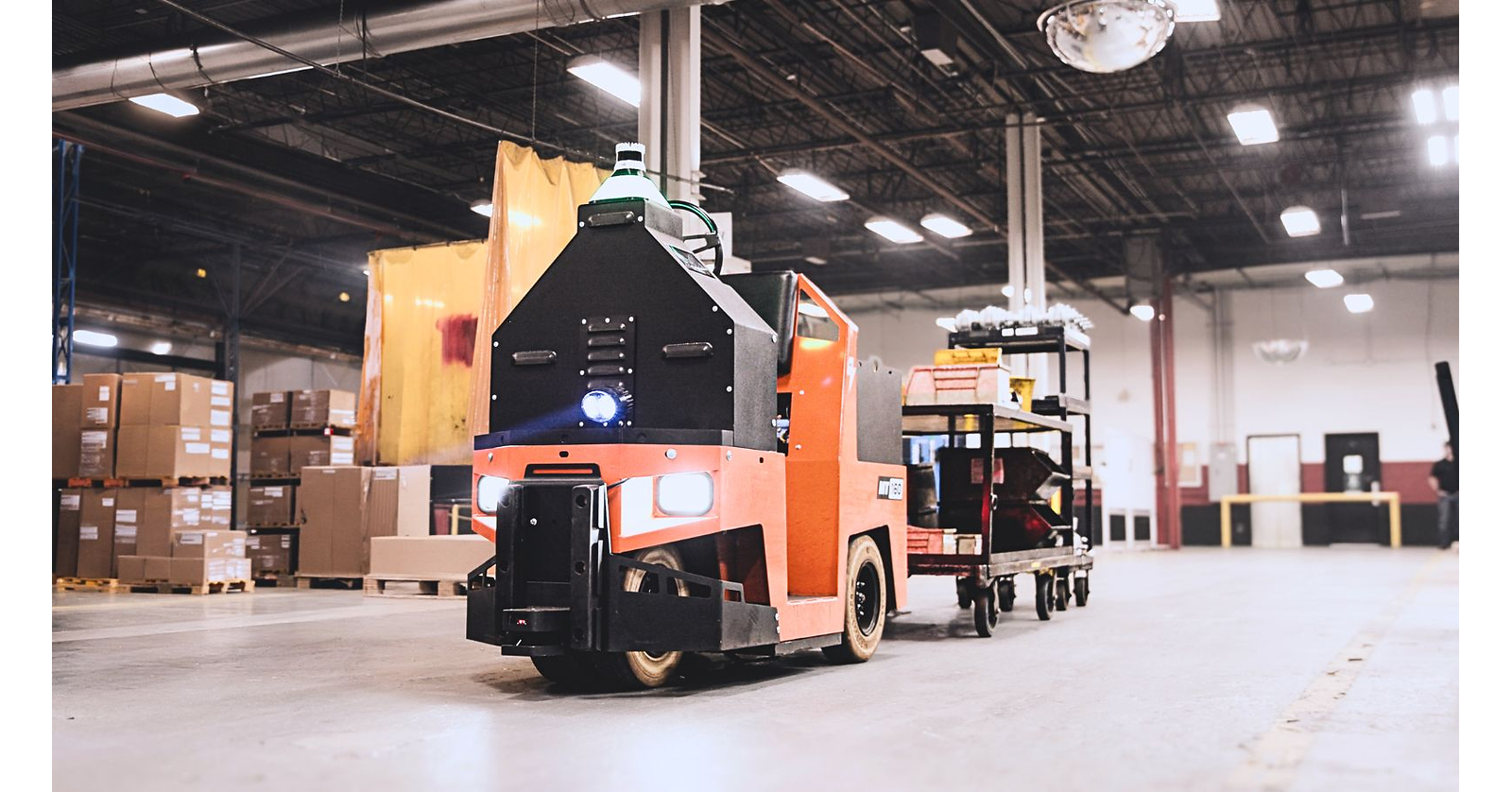
Cyngn reported Q2 2026 autonomous-fleet utilization growth, with missions up 45% QoQ, distance traveled up 67%, and autonomous driving hours up 55%; June set a record for fleet activity. The operational metrics indicate customers are increasingly embedding DriveMod autonomous tuggers into recurring industrial material-handling workflows. The update is positive evidence of commercial adoption, although it provides no revenue, bookings, profitability, or formal guidance figures.
Analysis
The relevant question is whether higher utilization converts into contracted fleet expansion and software revenue, not whether operating activity itself is rising. For CYN, a sustained increase in vehicle hours can improve unit economics through better absorption of support, teleoperations, and deployment costs; however, the release provides no fleet count, customer concentration, pricing, churn, revenue per vehicle, or gross-margin data. Until those inputs appear in reported results, this is an operational KPI rather than evidence of durable ARR acceleration.
Near term, CYN may attract retail/momentum flows given its small-cap autonomy exposure, but liquidity and financing risk likely dominate valuation over the next 1-3 months. The key catalyst is the next earnings release: investors need to see sequential revenue growth exceed fleet-growth claims, improving gross margin, and a cash runway that avoids a dilutive equity raise. A gap between activity growth and revenue conversion would quickly reverse any news-driven strength.
Over 6-18 months, successful industrial autonomy deployments could pressure conventional material-handling vendors and broaden demand for warehouse automation, benefiting better-capitalized ecosystem names such as Teradyne (TER), Symbotic (SYM), and Rockwell Automation (ROK). The contrarian view is that utilization growth may reflect a small installed base or pilot customers running existing units harder, which is not equivalent to enterprise-scale purchase commitments. Industrial buyers typically require lengthy safety validation and integration cycles, limiting the speed at which operational proof points become material financial results.
AllMind Terminal
AI-powered research, real-time alerts, and portfolio analytics for institutional investors.
Request TrialMarket Sentiment
Overall Sentiment
moderately positive
Sentiment Score
0.42
Ticker Sentiment
Key Decisions for Investors
- No core long in CYN on this release alone; treat as a watchlist catalyst. Upgrade only if the next filing shows sequential revenue growth, disclosed fleet/customer expansion, and cash runway beyond 12 months without a near-term capital raise.
- For tactical accounts, consider only a small, event-driven CYN long after confirmation that volume and price hold above the release-day range for 2-3 sessions; take profits into a 20-30% momentum move and exit on a break below the pre-release low. Risk is high due to micro-cap liquidity and potential dilution.
- Prefer TER or ROK for 6-18 month exposure to industrial automation adoption: both offer diversified installed bases and service/software monetization without CYN's single-company funding risk. Reassess if industrial production, warehouse capex, or manufacturing PMI deteriorates materially.
- Set an earnings alert for CYN: falsify any utilization-to-revenue thesis if revenue fails to grow sequentially, gross margin weakens, or operating cash burn accelerates despite the reported activity gains.
More News
- Nvidia Faces Questions Over China AI Chip Smuggling Cases
- Broadcom to lend Anthropic up to $42 billion to lease its chips, filing says
- $8.2B acquisition validates AI-picked chip stock: +20% since June
- Nike Warns Sales Slump Will Worsen This Fiscal Year
- Nuveen CEO on Schroders Deal, Plans for Combined Company
- New Mexico wants Meta to pay up to $40 billion in penalties after data privacy trial