
NEW YORK CITY ICON, THE ALGONQUIN HOTEL, UNVEILS REIMAGINED INTERIORS INSPIRED BY NEW YORK'S CREATIVE SPIRIT
Source: PR Newswire
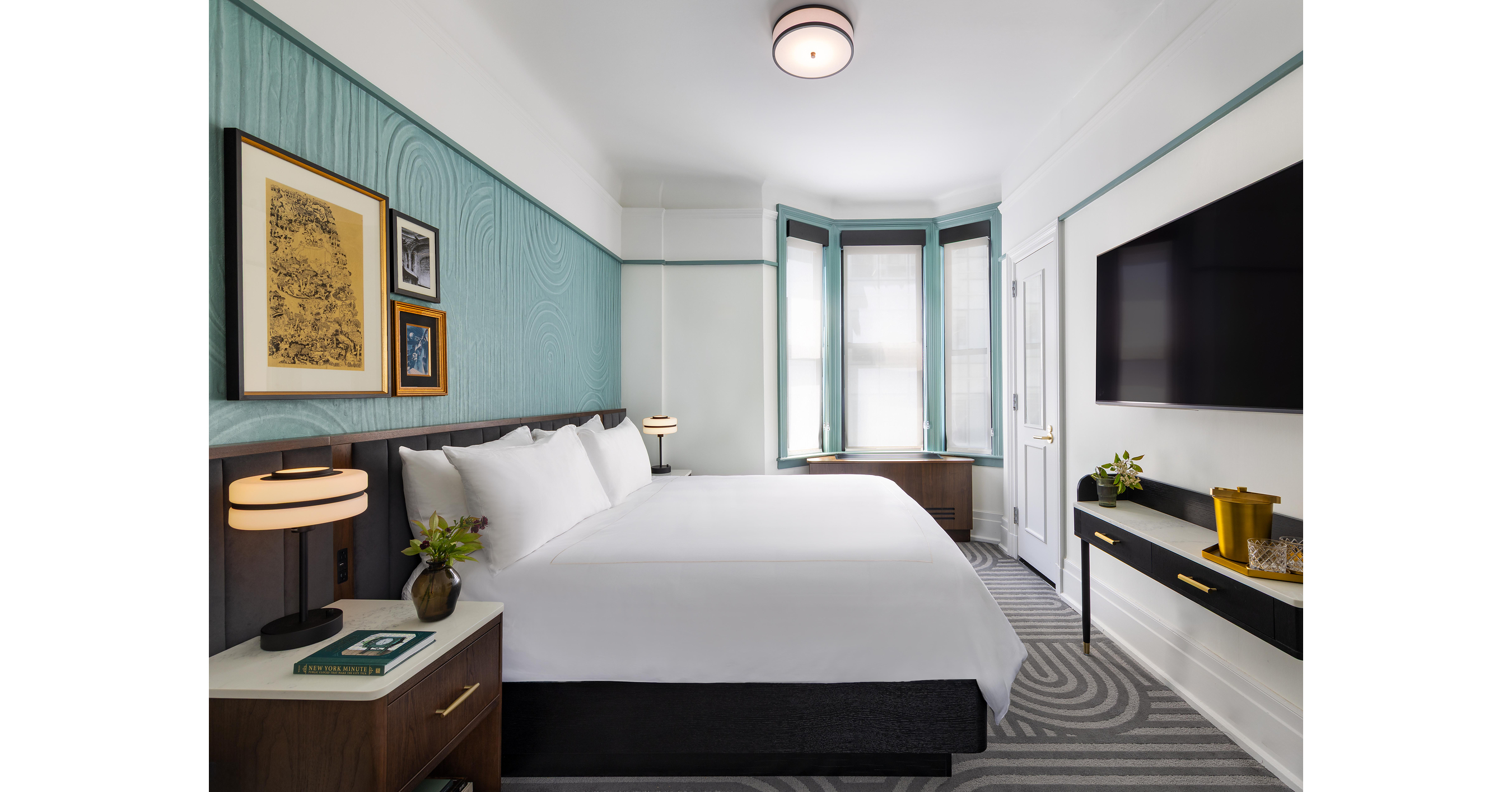
The 181-room Algonquin Hotel in Midtown Manhattan completed a phased, multi-year renovation of all guestrooms, elevators and corridors while remaining operational. The redesign, led by CRÈME / Jun Aizaki Architecture & Design with Highgate Hotels' LUCID, incorporates exclusive Al Hirschfeld artwork throughout the property and refreshed food-and-beverage menus at the Blue Bar. The project enhances the historic hotel's guest experience and cultural positioning, but no renovation cost, revenue impact or forward financial guidance was disclosed.
Analysis
This is immaterial to Marriott International (MAR) earnings: a 181-key asset cannot move systemwide RevPAR or fee growth. The relevant signal is qualitative—successful renovation without closure preserves near-term inventory while supporting a potential ADR premium and higher food-and-beverage capture in a supply-constrained Midtown luxury/boutique segment. If the property demonstrates sustained pricing power, it modestly validates Marriott’s Autograph Collection strategy of using distinctive independent assets to attract high-margin loyalty bookings without owning real estate.
The more investable second-order read is for Highgate and comparable private hotel operators rather than public lodging equities: phased capital projects are becoming a competitive differentiator where urban hotel owners face high financing costs and cannot afford prolonged closures. For listed proxies, MAR is a cleaner beneficiary than hotel REITs because brand/franchise economics capture incremental room revenue with little capital exposure; Host Hotels (HST) has greater direct urban lodging upside but also bears renovation, labor, and Manhattan demand risk. There is no standalone trade catalyst absent independently reported ADR, occupancy, RevPAR index, or renovation spend/payback data.
Over the next 1-3 months, monitor NYC group-booking trends, international inbound travel, and Midtown weekday occupancy; a post-renovation ADR lift that merely tracks the market would indicate the design investment is defensive rather than value-accretive. Over 6-18 months, weakening corporate travel or a supply rebound would limit rate realization and make boutique differentiation less monetizable. The contrarian view is that heritage upgrades can improve online conversion and guest mix but rarely overcome the small-room-size constraint that caps the hotel’s competitive set and pricing ceiling.
AllMind Terminal
AI-powered research, real-time alerts, and portfolio analytics for institutional investors.
Request TrialMarket Sentiment
Overall Sentiment
mildly positive
Sentiment Score
0.32
Key Decisions for Investors
- No new position on this announcement; treat it as non-material for MAR and HST until quarterly property-level or market data show a measurable ADR/RevPAR differential.
- Maintain a preference for MAR over HST on any strengthening NYC lodging data: MAR offers asset-light fee upside and limited renovation-capex exposure, while HST is more sensitive to urban operating costs and property-level execution. Reassess if U.S. RevPAR guidance weakens or international inbound demand decelerates.
- Set a watch alert for NYC hotel RevPAR and Midtown luxury ADR during the next two reporting cycles. A sustained 5%+ outperformance versus the NYC market would support a modestly more constructive view on Autograph Collection brand pricing; market-level underperformance would falsify the renovation-payback thesis.
More News
- Alpine Income Property Trust launches new preferred and common stock offering programs
- Trump's executive order targets mortgage insurance, refinance costs. What it means for borrowers
- Netflix can’t fire its way out of this downward spiral
- Higher interest rates have made family offices pickier about investing in real estate
- Meta is delaying its controversial new business terms amid scraping concerns
- In Brazil’s elections, big techs’ transparency and cooperation policies translate as governance washing, according to this expert
From AllMind Research
- Anthropic IPO Preview: Valuation, Timing, and What to Watch
- Shein After the IPO: Venue, Valuation, and What Must Be Proved
- What AI Research Tools Should a Small Hedge Fund Buy First?
- Alternative Data Due Diligence for Institutional Investors
- Introducing AllMind: A New Data & AI Workspace for Institutional Investors