
Avianca Elevates the Travel Experience for U.S. Customers With Expanded Premium Offerings and New Onboard Benefits
Source: PR Newswire
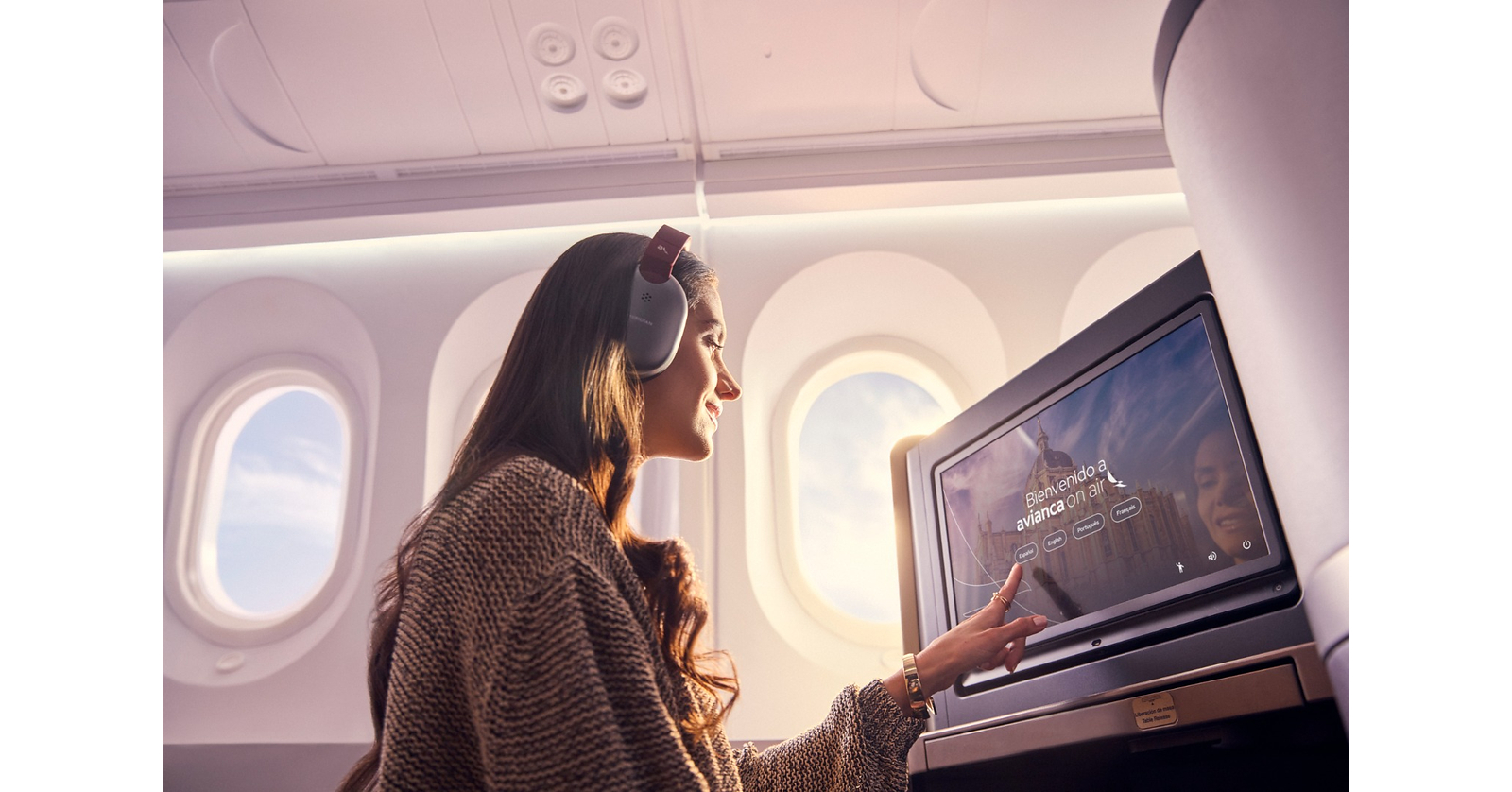
Avianca expanded Business Class Americas to 100% of its routes within the Americas and added a 22-pound carry-on bag to all international fares, plus complimentary food and beverages on intra-Americas flights exceeding 3.5 hours. U.S. connectivity exceeds 400 weekly flights across 41 routes, while first-half 2026 passengers to and from the U.S. rose 9.2% year over year to 2.57 million. The airline also plans to introduce redesigned INSIGNIA long-haul cabins with private suites and lie-flat seating in 2027, alongside a progressive rollout of Wi-Fi and expanded onboard entertainment.
Analysis
This is primarily a private-company competitive signal rather than a public-equity catalyst. Avianca’s bundling of formerly ancillary items raises its unit-revenue hurdle: unless fare premiums, load factors, or loyalty monetization offset the added service cost, the likely near-term consequence is lower ancillary revenue per passenger and margin dilution on price-sensitive intra-Americas routes. The clearest read-through is modestly negative for competitors exposed to U.S.-Northern South America leisure/VFR traffic—especially Copa Holdings (CPA)—if Avianca uses the improved product to defend share rather than raise yields.
Over the next 1-3 months, watch published fares and capacity in Miami, New York, Bogotá, San Salvador, and Central America routes rather than extrapolating from promotional claims. A sustained narrowing of Avianca’s fare discount versus CPA, UAL, and AAL would indicate genuine product-led yield improvement; continued discounting would instead confirm that the benefits are a retention expense. The inclusion of media content from WBD, SONY, and PSKY is economically immaterial to those companies and should not alter estimates.
The 2027 premium-cabin rollout creates a longer-duration execution risk: retrofits take aircraft out of service and premium-seat density can reduce total seat capacity, so returns depend on corporate-demand recovery and transatlantic premium yields. BA has only a weak, indirect read-through through the 787 fleet; absent disclosed aircraft, retrofit, connectivity, or cabin-equipment orders, this does not support a Boeing trade. Contrarian view: the market may over-credit premium branding in a market where schedule density, price, and immigration/VFR demand remain the primary purchase drivers.
AllMind Terminal
AI-powered research, real-time alerts, and portfolio analytics for institutional investors.
Request TrialMarket Sentiment
Overall Sentiment
moderately positive
Sentiment Score
0.48
Ticker Sentiment
Key Decisions for Investors
- No standalone position in BA, WBD, SONY, or PSKY on this announcement; require a disclosed supply contract or a measurable revision to aircraft-delivery/cabin-retrofit guidance before treating it as earnings-relevant.
- Place CPA on a 1-3 month competitive alert: consider a tactical short only if Avianca fare checks show persistent sub-market pricing on overlapping U.S.-Latin America routes while CPA’s forward yield or unit-revenue guidance weakens. Falsifier: CPA maintains pricing and reiterates or raises revenue-per-available-seat-mile guidance.
- For a broader airline book, prefer CPA over U.S. network-carrier exposure only if regional capacity discipline holds; Avianca’s upgraded product raises the risk of localized yield pressure for AAL and UAL without being large enough to alter their consolidated earnings. Reassess after next quarterly traffic/yield disclosures.
- Monitor 2027 Avianca retrofit announcements as a watch item for aerospace suppliers rather than initiating now. A named 787 cabin, seating, or connectivity vendor and a multi-aircraft installation schedule would be the necessary catalyst for a supplier trade.
More News
- Why popular airplanes are getting scrapped years early
- 'Father of the PlayStation' Ken Kutaragi sides with Sony on the physical discs debate
- What is the cheapest new gaming console you can buy in 2026?
- There's a chance your PlayStation 5 is plugged into the wrong HDMI port
- Peak on consoles, hockey roguelites and other new indie games worth checking out
- Could France’s debt crisis spread across Europe?