
Tomorrow.Blue Economy 2026 charts a strategic course for the Blue Economy
Source: PR Newswire
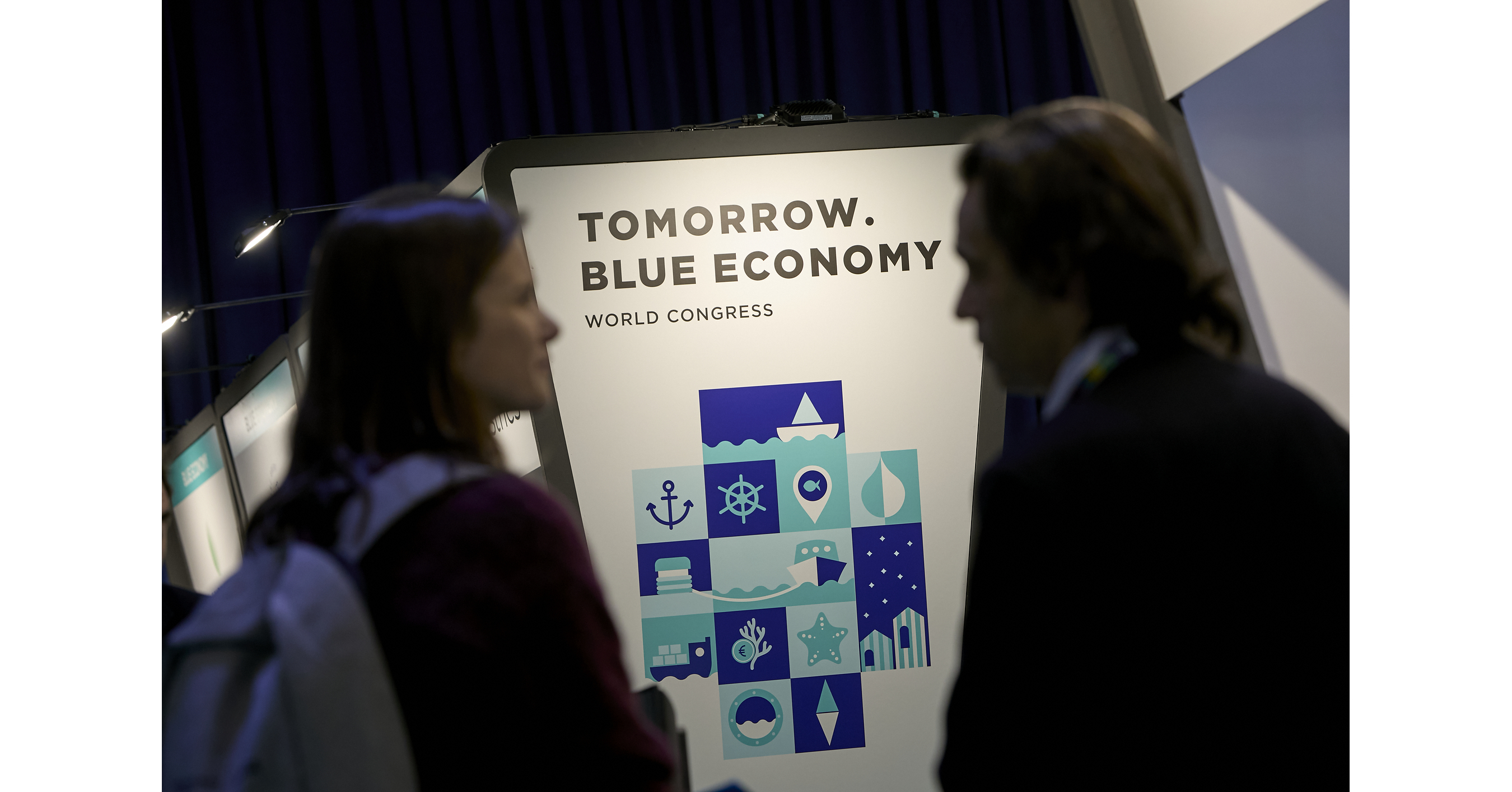
Fira de Barcelona will host Tomorrow.Blue Economy World Congress from 3-5 November 2026, convening ports, governments, investors, companies and startups around sustainable ocean-based economic development. The event will include the Global Blue Finance Summit, Sustainable Ocean Summit, Smart Ports programme and an Ocean Innovation Hub for blue-economy startups. The announcement signals continued institutional support for blue-finance investment, port innovation and ocean protection, but provides no specific funding, policy or company-level financial commitments.
Analysis
This is a low-signal promotional event announcement rather than a measurable demand, policy, or capital-allocation catalyst. Public-market exposure to “blue economy” investment remains diffuse, and conference attendance or startup activity does not establish a revenue inflection for ports, maritime technology, aquaculture, or sustainable-finance issuers. No directional trade is warranted ahead of the event.
The potentially investable second-order theme is port digitization: congestion reduction, automated terminals, cybersecurity, shore-power infrastructure, and emissions reporting can shift port capital expenditure toward industrial automation and grid equipment vendors. The nearer-term beneficiaries would more likely be large, diversified suppliers such as ABB, Schneider Electric, Siemens, and Konecranes than early-stage ocean-technology firms, but only if port operators convert discussion into disclosed tender awards or multi-year capex plans.
Over 6-18 months, environmental compliance could widen the cost advantage of newer, more fuel-efficient fleets and terminals, benefiting marine electrification and efficiency suppliers while pressuring highly levered shipping operators unable to fund upgrades. The contrarian point is that sustainable-maritime financing is often constrained by weak project economics and fragmented regulation; “green” labels alone should not command valuation premiums. A credible investment signal would be contracted backlog, project-finance commitments, or mandatory compliance dates—not event-driven announcements.
AllMind Terminal
AI-powered research, real-time alerts, and portfolio analytics for institutional investors.
Request TrialMarket Sentiment
Overall Sentiment
mildly positive
Sentiment Score
0.20
Key Decisions for Investors
- No immediate directional position: treat the November event as an intelligence-gathering catalyst, not a trading catalyst; avoid buying thematic maritime or sustainable-finance exposure solely on promotional news.
- Create a watchlist for ABB, Schneider Electric, Siemens, and Konecranes; consider a 1-3 month tactical long only following independently disclosed port-automation, shore-power, or maritime-grid contract wins that are material to backlog or guidance.
- Monitor port-operator capex disclosures and EU maritime-emissions implementation milestones over the next 6-18 months. A sustained increase in awarded projects, rather than announced targets, would support an industrial-automation overweight versus broad transportation exposure.
- Falsify any port-digitization thesis if suppliers report flat order intake in marine/port end markets, project awards remain pilot-scale, or financing costs delay terminal modernization; in that case, avoid assigning a green-capex multiple premium.
More News
- Tencent leases 100,000 chips from Oracle for $7 bln- FT
- California Gov. Gavin Newsom bans AI 'robo bosses' in landmark state law, reversing his earlier veto
- RAM supply set to worsen, says Micron, as CEO celebrates ‘much higher’ prices
- Why is Kioxia stock rallying today?
- We're raising our Micron price target after an incredible quarter and robust guidance
- Micron Forecast Tops Estimates on Booming AI Memory Demand