
Target Uses AI Personalization to Deepen Digital Guest Engagement
Source: zacks.com
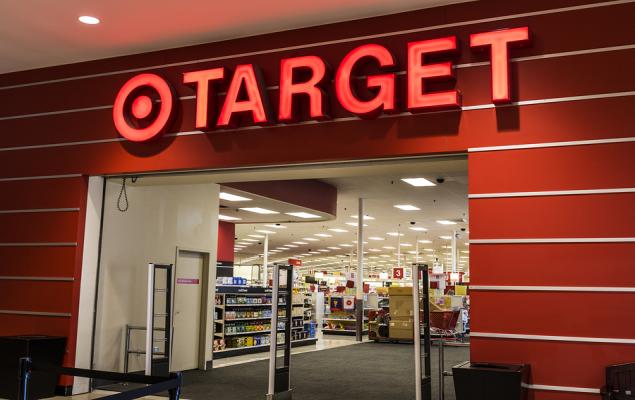
Target's AI-driven teacher and college wish lists increased total wish-list creation by more than 50% year over year, more than doubled items added, and lifted conversion on key back-to-school pages by nearly 20%. Traffic from external AI platforms is growing at more than 3.5x the industry pace, while Target is partnering with OpenAI and Google Gemini on early agentic-commerce development. Target shares have risen 21.7% over three months versus a 7.3% industry decline, and consensus EPS estimates increased by $0.91 to $10.43 for the current fiscal year and by $0.19 to $9.38 for the following year.
Analysis
The investable question is not whether retail AI improves engagement, but whether it raises gross profit per digital visit after fulfillment, markdowns and paid-acquisition costs. For TGT, personalized discovery can shift demand toward owned brands and higher-margin discretionary baskets, while better intent signals should reduce promotional leakage and inventory errors. The near-term evidence remains seasonal and management-reported; without digital sales mix, basket economics and fulfillment-cost disclosure, it does not justify a material earnings-model change.
WMT is structurally better positioned to monetize this category: its greater transaction frequency, first-party data depth and marketplace breadth make recommendations more useful and create a larger advertising flywheel. TGT's external-agent partnerships are strategically defensive rather than a near-term channel: agentic shopping could weaken retailer-owned app traffic and make assortment, price and delivery reliability more important than brand discovery. AMZN is the longer-term gatekeeper risk, as AI-led shopping interfaces can direct incremental demand toward the retailer with the deepest catalog, fastest delivery and lowest friction.
Consensus may be over-attributing a re-rating in TGT to AI rather than a cyclical earnings reset and low valuation starting point. The key 1-3 month catalyst is a quarterly read-through demonstrating digital comp acceleration without gross-margin sacrifice; over 6-18 months, differentiation depends on whether personalization improves repeat rate and mix, not top-of-funnel engagement. Falsify a constructive TGT view if digital growth fails to outpace company comp sales for two quarters, fulfillment expense rises faster than digital revenue, or discretionary markdowns reaccelerate.
AllMind Terminal
AI-powered research, real-time alerts, and portfolio analytics for institutional investors.
Request TrialMarket Sentiment
Overall Sentiment
moderately positive
Sentiment Score
0.48
Ticker Sentiment
Key Decisions for Investors
- Maintain no new standalone TGT position solely on this announcement; set an earnings alert for digital-sales growth, same-day fulfillment cost and owned-brand mix. Upgrade only if management quantifies sustained conversion/basket gains and protects gross margin over two reporting periods.
- Prefer a 3-6 month long WMT / short TGT relative-value position on equal dollar exposure. WMT has the stronger data, advertising and fulfillment monetization loop; target 8-12% relative return, with a stop if TGT digital comp growth exceeds WMT's by more than 300 bps while TGT gross margin expands.
- For TGT exposure, use a defined-risk post-earnings structure rather than chasing a 3-month rally: consider a 6-month call spread only after a digital-margin confirmation quarter. The trade requires evidence that conversion translates to EBIT, not engagement metrics; maximum premium at risk should be sized to a failed-margin outcome.
- Monitor AMZN retail advertising growth and AI-shopping referral disclosures as a 6-18 month competitive-risk indicator. Rising AI-mediated product search that bypasses retailer apps would pressure TGT and BJ customer-acquisition economics before it is visible in reported sales.
More News
- AMD joins the $1 trillion club as chip rally surges - our AI Strategy saw it early
- Here's who we know is going to the Trump-Xi dinner so far
- How a Bangladeshi garment-maker is fighting the Middle East energy crunch
- Perpetual underdog AMD nips at Nvidia's heels as it joins the $1T club
- Intel surges 12% as CPU stocks rally. Here's what's driving the move
- Muse, Meta's extraordinarily privileged AI assistant, has a serious 0-day
From AllMind Research
- Anthropic IPO Preview: Valuation, Timing, and What to Watch
- Shein After the IPO: Venue, Valuation, and What Must Be Proved
- What AI Research Tools Should a Small Hedge Fund Buy First?
- Stop Treating AI Like a Chatbot: What Are Agents, SubAgents, MCP, and Skills, and How Do They Actually Work?
- Earnings-Triggered Research Automations: A Control Guide