
DJI rafforza il sistema di protezione della privacy multilivello con il lancio della modalità Dati locali per ROMO, stabilendo un nuovo standard di privacy nella robotica domestica
Source: PR Newswire
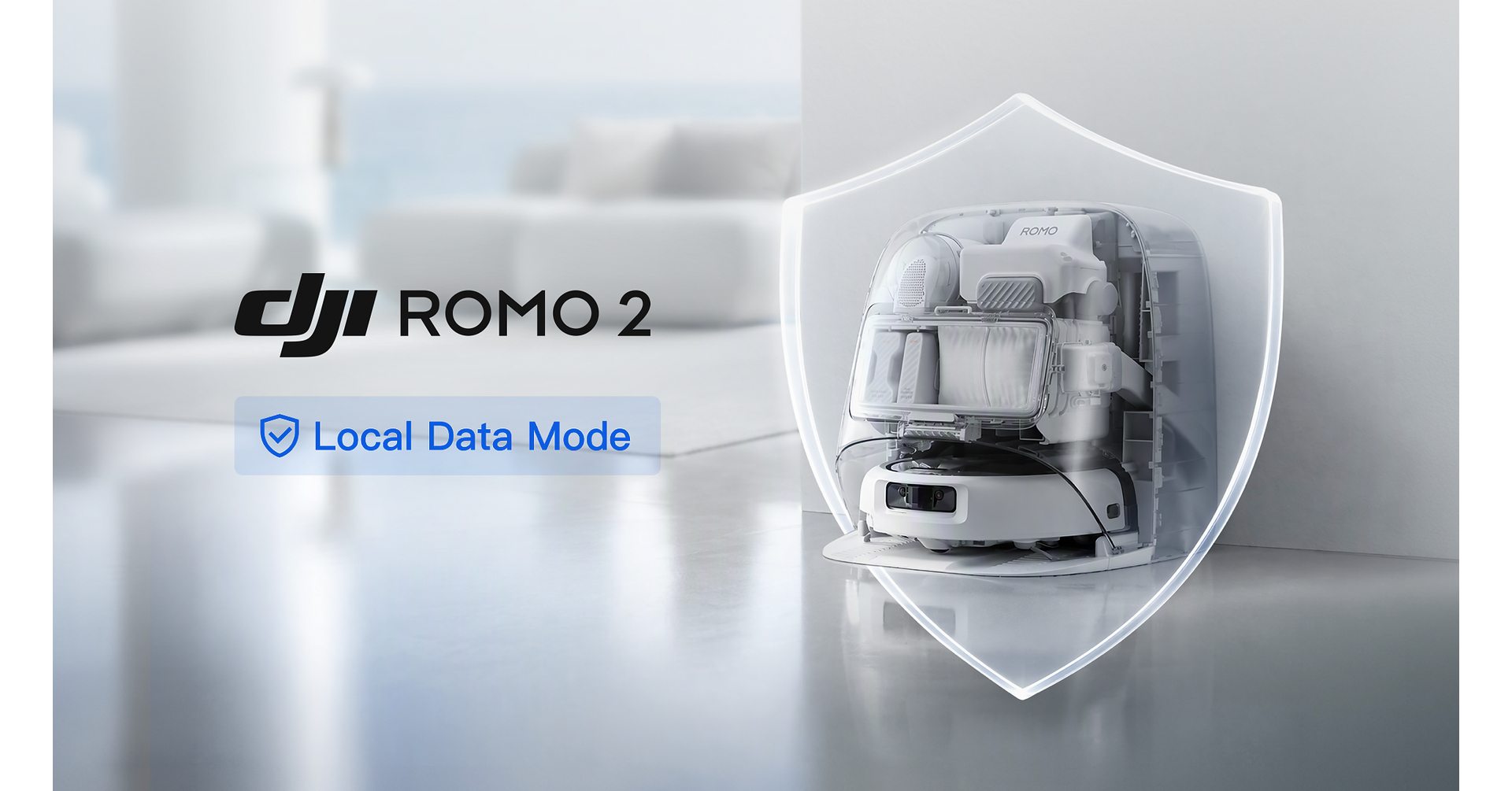
DJI ha lanciato per ROMO 2 la modalità Dati locali, che archivia ed elabora sul dispositivo mappe, immagini e altri dati di navigazione senza caricarli sul cloud quando il robot è offline; le funzioni principali restano operative senza Internet. DJI afferma che un test di penetrazione TÜV SÜD del 2026 su ROMO P2 e sull'app DJI Home non ha rilevato vulnerabilità critiche, elevate o medie. ROMO supporta inoltre Matter, e la modalità sarà estesa ai futuri modelli; l'annuncio riguarda funzionalità e privacy del prodotto, senza indicazioni sull'impatto finanziario.
Analysis
The investable signal is category-level, not a demonstrated earnings catalyst for UL Solutions (ULS). DJI’s use of a UL Solutions IoT security certification offers a small third-party validation point for its assurance brand, but the announcement gives no evidence of incremental certification revenue, exclusivity, or a broader commercial relationship. Treat any near-term ULS read-through as sentiment rather than fundamentals.
For smart-home competitors, local processing can become a product differentiator where consumers distrust cameras and cloud storage. The second-order risk is that privacy positioning raises the bar for robot-vacuum makers whose features depend on cloud services; however, local storage alone does not eliminate device-compromise, physical-access, or software-update risks. Matter compatibility may reduce ecosystem lock-in and make privacy and device-level reliability more salient in product comparisons.
Over 1–3 months, the key test is whether independent reviews and actual product adoption validate the privacy proposition, rather than the company’s claims alone. Over 6–18 months, wider adoption of local processing could support demand for testing and certification, but the announcement does not establish a material market shift. The contrarian point: this is a credible feature but not proof of a durable moat; competitors can copy the architecture, while usability trade-offs or incomplete offline functionality could blunt its appeal.
AllMind Terminal
AI-powered research, real-time alerts, and portfolio analytics for institutional investors.
Request TrialMarket Sentiment
Overall Sentiment
mildly positive
Sentiment Score
0.30
Key Decisions for Investors
- No immediate trade in ULS: the certification mention is not enough to infer meaningful revenue or a change in guidance. Revisit only if ULS discloses broader smart-home certification demand or a material commercial relationship.
- Watch for independent testing, user uptake, and evidence that core functions remain usable without cloud access. Weak adoption, material feature limitations, or a security incident would falsify the privacy-differentiation thesis.
- For the smart-home sector, monitor competitor product disclosures and customer reviews over the next 1–3 months; consider relative positioning only if local processing becomes a measurable purchase driver rather than a marketing claim.
More News
- Analysts react as Binance freezes assets after $6.3 billion security breach
- Stocks slump, bonds leap as AI giants’ spending spooks investors
- DoorDash offers $17 billion for Instacart: ‘the largest companies are only eating more and more of the pie’
- Alphabet Erases $500 Billion as ChatGPT, Google AI Cut into Search
- Alphabet just had its worst day as a public company. BofA now values Google search at a lower multiple than fossil fuel stocks
- Alphabet’s stock has worst day in over 20 years, dragging the S&P 500 to first loss in four days