
Fathers Expands into Philadelphia with Penn Distribution, GoPuff, Lane Johnson
Source: PR Newswire
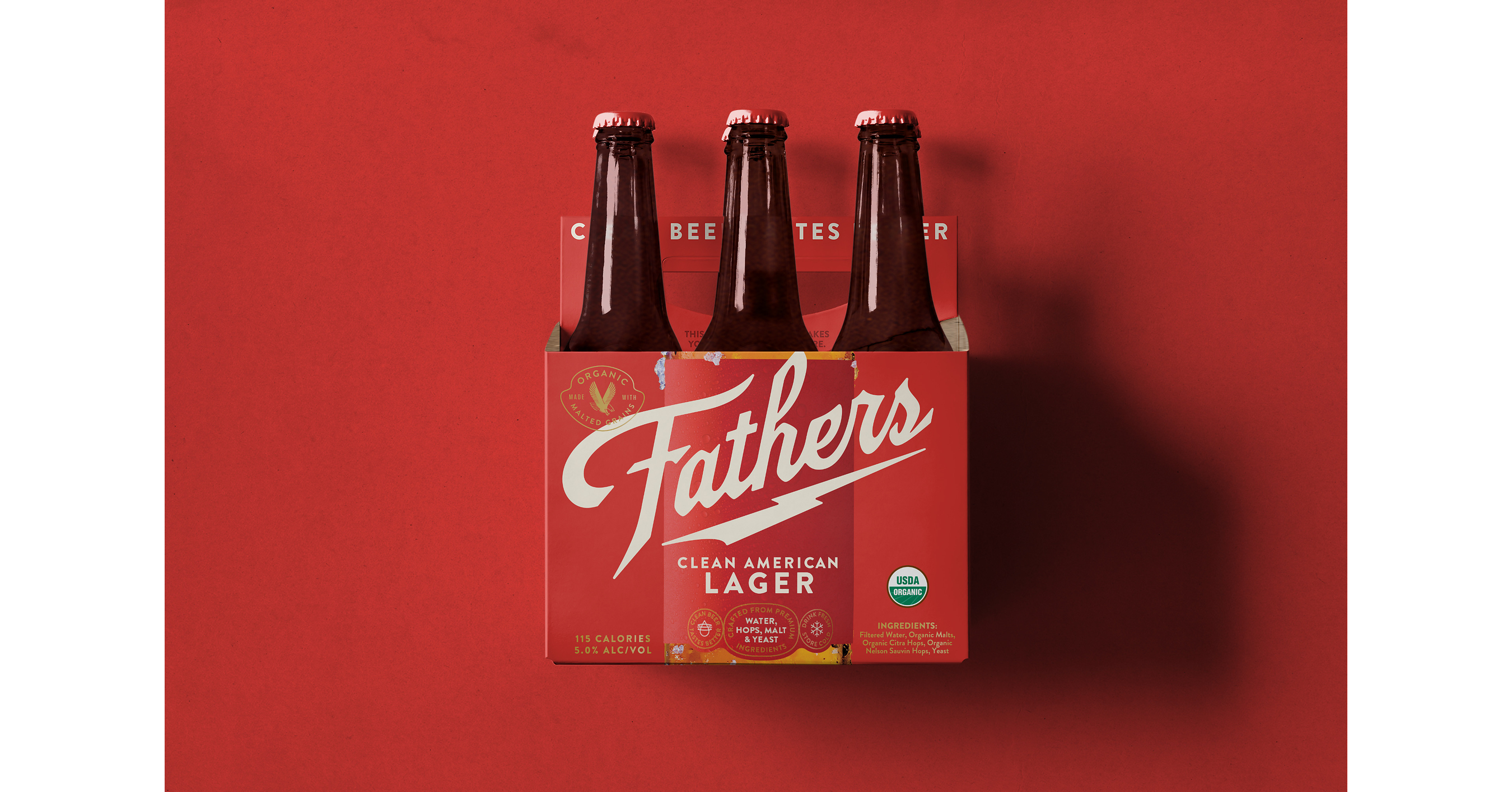
Fathers Brewing is entering Philadelphia in September 2026—its first market outside California—through Penn Beer Sales & Service, with availability including Gopuff delivery. The organic lager brand says it is on pace for 672% year-over-year growth and recorded more than 80% same-store sales growth at its original Costco locations after launching there in June. Fathers plans further Northern California expansion, a Southern California entry in 2027, and a Super Bowl LXI activation, supported by investor and Eagles player Lane Johnson.
Analysis
This is not yet material to COST or SFM earnings, but it reinforces the strategic value of differentiated, high-velocity alcohol SKUs in a category where broad beer volumes remain structurally pressured. For COST, a successful regional test could improve ancillary-category productivity and membership perception, but the likely economic beneficiary is the supplier: rapid velocity can create negotiating leverage, additional regional placements, and potentially favorable working-capital terms. SFM has greater thematic exposure because organic certification fits its customer base, although beer remains too small within the basket to affect near-term comparable sales.
The key diligence issue is whether reported growth reflects repeat purchase rather than distribution fill. A new-market launch through convenience delivery and sports activation can generate a sharp first 30-day sales spike while producing weak 60-90 day replenishment; retail sales-per-store and reorder rates, rather than company-reported growth, determine whether this becomes a credible premium-lager challenger. Larger brewers such as BUD and SAM face only de minimis direct risk, but a sustained organic-lager niche could modestly intensify shelf-space competition against their craft and premium portfolios over 6-18 months.
Near term, no trade is warranted in COST or SFM: neither has enough exposure for this to move estimates. The more investable second-order signal is category productivity at Costco and Sprouts—if emerging brands sustain velocity without promotional support, retailers gain pricing and assortment leverage while incumbent beer suppliers absorb displacement. The contrarian view is that celebrity and football-market marketing may be an expensive customer-acquisition channel, making margin durability materially weaker than topline momentum implies.
AllMind Terminal
AI-powered research, real-time alerts, and portfolio analytics for institutional investors.
Request TrialMarket Sentiment
Overall Sentiment
moderately positive
Sentiment Score
0.62
Ticker Sentiment
Key Decisions for Investors
- No directional position in COST or SFM on this release; treat it as a low-impact assortment data point rather than an earnings catalyst over the next 1-3 months.
- Monitor COST quarterly commentary and scanner data for alcoholic-beverage traffic, SKU productivity, and regional replenishment. Upgrade the signal only if repeat velocity remains elevated for at least 8-12 weeks after initial distribution; first-load sales do not validate demand.
- For SFM, watch organic/private-label gross-margin trends and beverage basket attachment in the next two earnings prints. A broad premium-organic velocity improvement would support a modest long bias, but only if it coincides with comp acceleration rather than incremental promotional expense.
- Use a future, independently verified national-distribution acceleration as a watch trigger for a relative trade: long premium/natural retail exposure (SFM) versus short broad beer-category exposure (SAM) only if scanner data show sustained shelf displacement and discounting; absent that evidence, risk/reward is insufficient.
More News
- Here’s the ‘core economic flaw’ in the AI bull case as stock and bond trades unravel, according to a top economist
- How Pepsi fell behind in the cola wars—and then lost KFC
- 5 big analyst AI moves: ’Uniquely catalyst-rich’ months ahead for SpaceX
- Braskem creditors, shareholders near deal on $11bn debt restructuring
- Xencor reports phase 1 data for cancer drug XmAb819
- The experience economy keeps defying expectations. Maybe we’ve been looking at it all wrong