
Tuya Smart stellt auf der IFA 2026 Doova vor, einen KI-Begleitroboter für zu Hause, um selbstständig lebende Senioren zu unterstützen
Source: PR Newswire
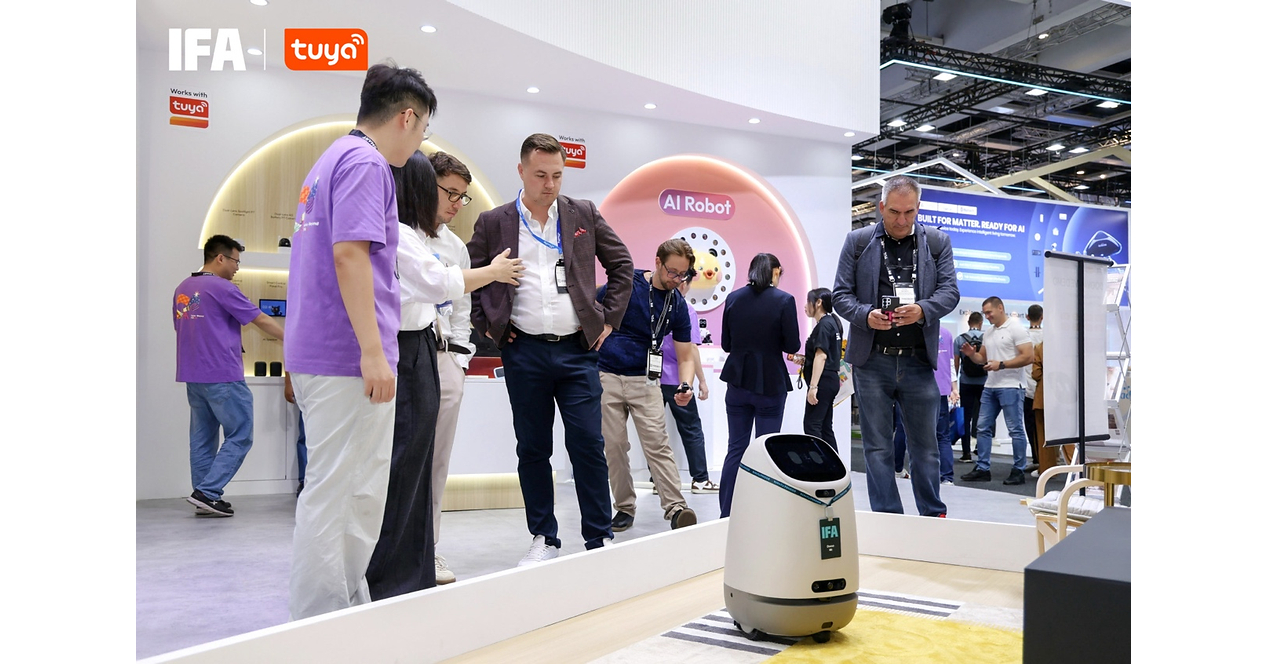
Tuya Smart launched Doova at IFA 2026, an AI-powered home companion robot designed to help seniors living independently through fall detection, emergency response, video alerts, companionship and smart-home control. Doova uses LiDAR, four-microphone sound localization, skeletal-recognition AI and a multimodal large language model; if a user does not respond within 60 seconds of a suspected emergency, it automatically initiates a family video-alert workflow. The launch expands Tuya's AIoT ecosystem into senior care and home robotics, though the announcement disclosed no pricing, availability timetable, revenue outlook or financial impact.
Analysis
This is strategically useful for TUYA’s platform narrative but not yet an earnings event: the investable question is whether Doova becomes a reference design that pulls incremental device OEMs, service partners and recurring cloud/API usage into Tuya’s ecosystem. Hardware economics are likely unattractive at launch; a low-volume, support-intensive eldercare robot could dilute gross margin if Tuya subsidizes commercialization. The upside comes only if Tuya monetizes the installed base through connectivity, AI inference, monitoring and third-party services rather than treating the product as a standalone consumer-electronics sale.
Near term, the stock may see a sentiment-driven AI/robotics bid, but product-launch enthusiasm should fade absent pricing, launch geography, channel partners, pre-orders and an explicit recurring-revenue model. Over 1-3 months, monitor whether Tuya identifies telco, insurer, home-care, or senior-living distribution partners; those channels can reduce CAC and turn emergency monitoring into a subscription product. A direct-to-consumer launch would imply high acquisition costs, elevated returns/support expense and weak evidence of scalable demand.
The non-obvious competitive pressure is on fixed-camera and passive-monitoring vendors such as AMBA-enabled device makers and consumer-security ecosystems: mobile sensing has a higher-value proposition only if it materially reduces false alerts and caregiver response time. Conversely, Amazon’s Alexa ecosystem, Google Home and Samsung SmartThings retain distribution advantages and can replicate voice-led coordination without bearing robotics hardware risk. Consensus may overvalue the demographic story; eldercare adoption is constrained by privacy, reliability liability and willingness of adult children—not end users—to pay.
Treat this as a validation watch, not a core long. The thesis is falsified if management cannot show paid pilots or channel commitments by the next two reporting cycles, or if cloud gross margin/operating losses worsen while AI-device revenue remains immaterial. A credible recurring-revenue disclosure, especially monitoring ARPU and retention, would justify reassessing TUYA’s platform multiple over 6-18 months.
AllMind Terminal
AI-powered research, real-time alerts, and portfolio analytics for institutional investors.
Request TrialMarket Sentiment
Overall Sentiment
moderately positive
Sentiment Score
0.42
Ticker Sentiment
Key Decisions for Investors
- Do not chase TUYA on the launch-day reaction; maintain only a tactical watch position until pricing, shipment timing and distribution economics are disclosed. Add only after evidence of paid pilots or named channel partners, with a 6-12 month horizon.
- Set an earnings alert for AI-related cloud revenue, gross-margin trajectory, device/customer additions and any quantified Doova backlog. Absence of these metrics over the next two earnings reports is a signal to avoid or reduce exposure.
- If TUYA rallies more than 20% without commercial KPIs, consider a 1-3 month tactical short or put structure only if borrow and option liquidity are adequate; cover on announced insurer/telco/home-care partnerships, which would materially improve CAC and recurring-revenue potential.
- For broader robotics exposure, prefer diversified beneficiaries such as ISRG or TER over TUYA until unit economics are visible; TUYA carries concentrated execution, consumer-support and privacy/liability risk with limited disclosed financial contribution.
More News
- Are global oil reserves sufficient to withstand renewed US-Iran war?
- OpenAI Trims Target Value & Volvo Cars Cuts 2,500 Jobs
- PG&E’s CEO says AI is ‘the best thing that could’ve ever happened to the grid’
- The mobile ambitions of SpaceX see telecom stocks get hit again. What the latest developments mean.
- Wake up! The long bond’s up two points!
- US tech stocks tumble as investors fret over AI spending