
Las Fiestas en el Disneyland Resort regresan con tradiciones clásicas y festivales favoritos del 13 de noviembre de 2026 al 6 de enero de 2027
Source: PR Newswire
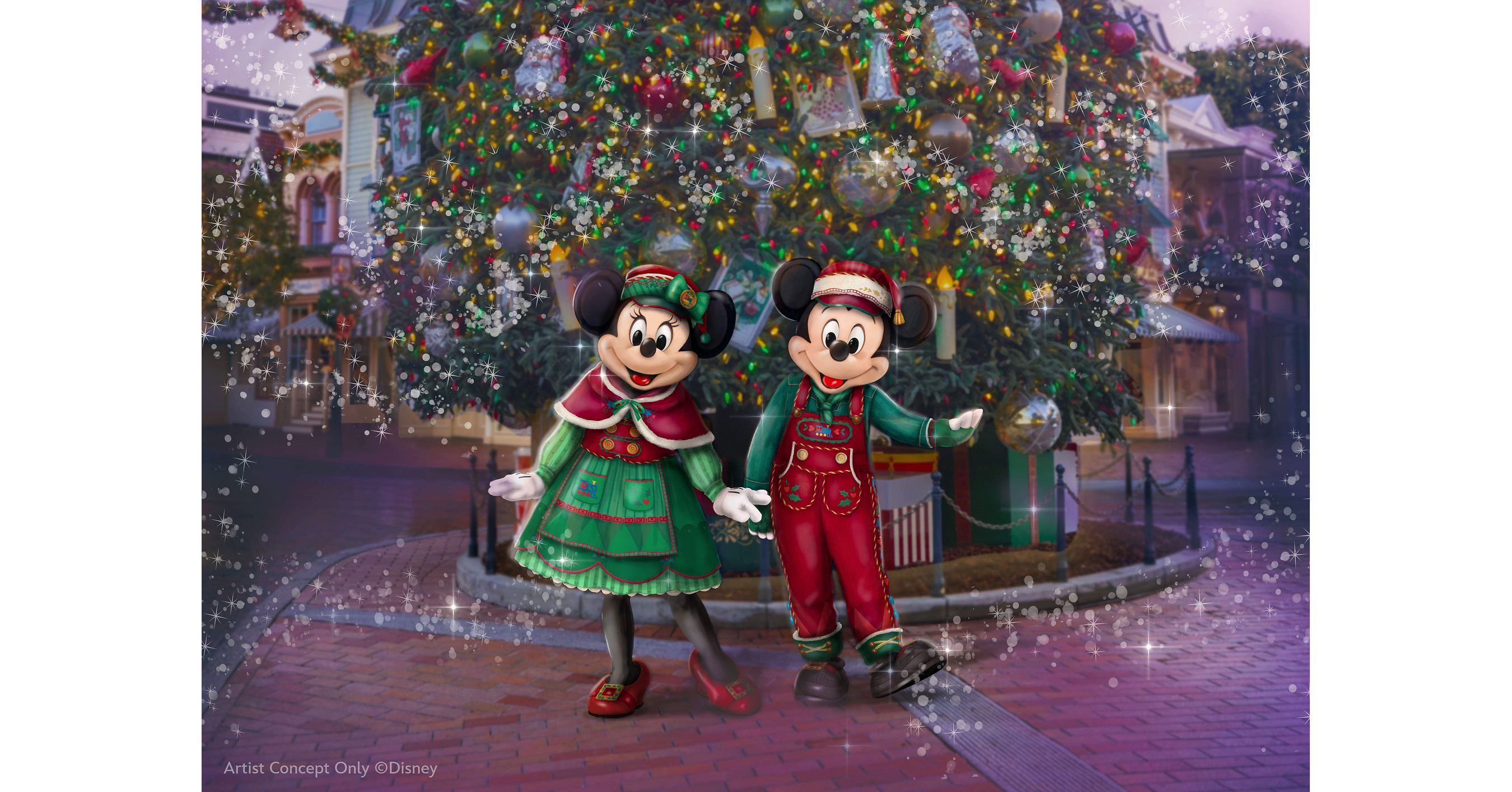
Disneyland Resort detalla su temporada navideña 2025/2026 con nuevas experiencias y shows (p. ej., apariciones de Santa del 13 de noviembre al 24 de diciembre, regreso de “World of Color - Season of Light” y “A Christmas Fantasy Parade”, y el festival “Disney Festival of Holidays” desde el 13 de noviembre de 2026). Se anuncian expansiones en atracciones decoradas, actividades y opciones de comida/mercancía, además de descuentos hoteleros de hasta 20% en estancias de 3+ noches (entre 11 oct y 18 dic 2026) y un “Sip and Savor Pass” con cupones. En términos financieros, la noticia es principalmente promocional/estacional y sugiere un impulso de demanda minorista y de visitas, pero sin cifras de ingresos ni cambios operativos/financieros específicos para el mercado.
Analysis
This is more of a monetization check than a new-growth catalyst. The incremental economics sit in the mix shift: higher-margin hotel nights, food-and-beverage attach, merchandise, and paid add-ons tend to matter more than raw attendance, so the real question is whether Disney is converting the holiday calendar into better per-guest yield or simply filling fixed capacity. The discounting on longer hotel stays suggests management is still willing to trade price for occupancy, which is supportive for utilization but not obviously for pricing power.
The second-order read-through is that Disney is leaning harder into experience packaging to defend wallet share in a still-discretionary consumer. That helps adjacent suppliers less than Disney itself; the upside accrues mostly to DPEP operating leverage, while regional competitors such as Universal and local entertainment spenders face a seasonal share battle rather than a broad demand expansion. If household budgets tighten, the first thing to slip is not park admission but premium extras, tours, and hotel upgrades, which would expose the margin sensitivity hidden in this kind of promotion-heavy calendar.
Near term, this should not move the stock unless it is paired with evidence of stronger booking pace or holiday on-site spend. Over 1-3 months, the key catalyst is whether management comments on higher RevPAR, merchandise conversion, or better same-park yield; absent that, this reads as routine demand maintenance. The contrarian view is that the market may be too quick to label these events as incremental demand when they may just be expensive ways to hold share; the thesis breaks if Disney later reports stronger per-capita spending and occupancy without deeper discounting.
AllMind Terminal
AI-powered research, real-time alerts, and portfolio analytics for institutional investors.
Request TrialMarket Sentiment
Overall Sentiment
neutral
Sentiment Score
0.10
Ticker Sentiment
Key Decisions for Investors
- No standalone trade on this release; treat it as low-signal for DIS until booking/RevPAR data confirm whether holiday programming is incremental or merely defensive.
- Set a watch item for the next DIS earnings call: if Disney Experiences shows improving per-capita spend and hotel occupancy with stable promo intensity, consider a 6-12 month long DIS position on operating leverage.
- If the stock rallies on holiday-planning headlines without a corresponding revision to park/experiences guidance, fade strength with a small tactical short or put spread in DIS; the upside from event calendars is usually overestimated versus the earnings contribution.
More News
- Nvidia GPUs are everywhere. Here are the ways companies are accessing them
- Bank of America is bullish on these top stocks ahead of earnings
- Stocks were up this week. Here are the names that are now overbought
- Why Nvidia’s stock is dodging the AI credit scare that is crushing Broadcom and Oracle
- As companies pour billions into Earth-based AI infrastructure, Google is taking the data center race off-planet
- How U.S. know-how is fracking Australia into a gas boom, from Texas oilmen to Trump’s energy secretary