
Uber's Wayve Deal Shows How It Wants to Win Without Building Cars
Source: marketbeat.com
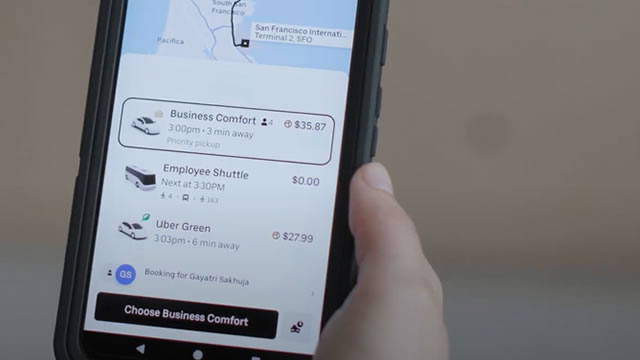
The article argues that Uber is being valued using legacy logistics models despite structural changes in logistics networks and the company’s evolving capabilities. The commentary implies potential upside if the market re-rates Uber to reflect its future logistics platform potential, but provides no new financial results, guidance, or operational metrics.
Analysis
There is no independently verifiable operating development here sufficient to change estimates. The relevant underwriting question is whether Uber can sustain consolidated EBITDA growth while defending mobility take rate and reducing incentive intensity; absent evidence on trip growth, pricing, insurance reserves, or delivery contribution margin, a “network evolution” narrative should not command a multiple re-rating.
The non-obvious structural issue is autonomy: Uber’s rider demand pool and dispatch infrastructure could make it a distribution beneficiary as AV fleets scale, but the economics depend on contractual revenue share versus fleet operators. In the next 1-3 months, quarterly gross-bookings growth, mobility take rate, and incremental EBITDA conversion matter more than strategy language. Over 6-18 months, a material AV deployment could pressure LYFT more than UBER because Uber has greater liquidity, international density, and cross-vertical customer acquisition; conversely, AV partners bypassing aggregators would undermine both platforms’ terminal-margin assumptions.
AllMind Terminal
AI-powered research, real-time alerts, and portfolio analytics for institutional investors.
Request TrialMarket Sentiment
Overall Sentiment
mildly positive
Sentiment Score
0.15
Ticker Sentiment
Key Decisions for Investors
- No new directional UBER position on this item; require a verified catalyst such as upward EBITDA guidance, accelerating trip growth, or disclosed AV economics before adding risk.
- Maintain a watchlist pair: long UBER / short LYFT only if Uber shows two consecutive quarters of mobility take-rate stability or expansion while LYFT continues to require elevated rider/driver incentives. Target 10-15% relative return over 3-6 months; exit if UBER take rate falls more than 100bp year-over-year or LYFT closes its EBITDA-margin gap.
- For existing UBER longs, use the next earnings release as the decision point: reduce exposure if insurance/reserve expense or incentive spending absorbs incremental gross bookings and prevents EBITDA conversion. The key falsifier is a guide-down in adjusted EBITDA despite positive bookings growth.
- Monitor AV partnership disclosures from Waymo, Tesla, and fleet operators rather than treating autonomy as automatically bullish. A partner-owned consumer interface or low aggregator revenue share would be negative for UBER’s long-duration valuation even if ride volumes rise.
More News
- Instacart explores potential sale, holds talks with Uber and DoorDash: report
- Meta shares are down 9% this week. Here's why Mike Khouw is buying now
- Wayve, Stellantis and Nvidia team up with France on self-driving cars
- China’s Baidu tests robotaxi on London streets
- Why is Maplebear stock slipping today?
- Maplebear Inc stock hits all-time high of 54.78 USD
From AllMind Research
- Anthropic IPO Preview: Valuation, Timing, and What to Watch
- Shein After the IPO: Venue, Valuation, and What Must Be Proved
- What AI Research Tools Should a Small Hedge Fund Buy First?
- Choosing an AI Copilot for Equity Research
- Weekly Update: Advanced Search Filters, Redesigned Ticker Dashboard, and Improved Search Experience