
CRRC aporta tres trenes de tamaño real y soluciones integrales a InnoTrans 2026
Source: PR Newswire
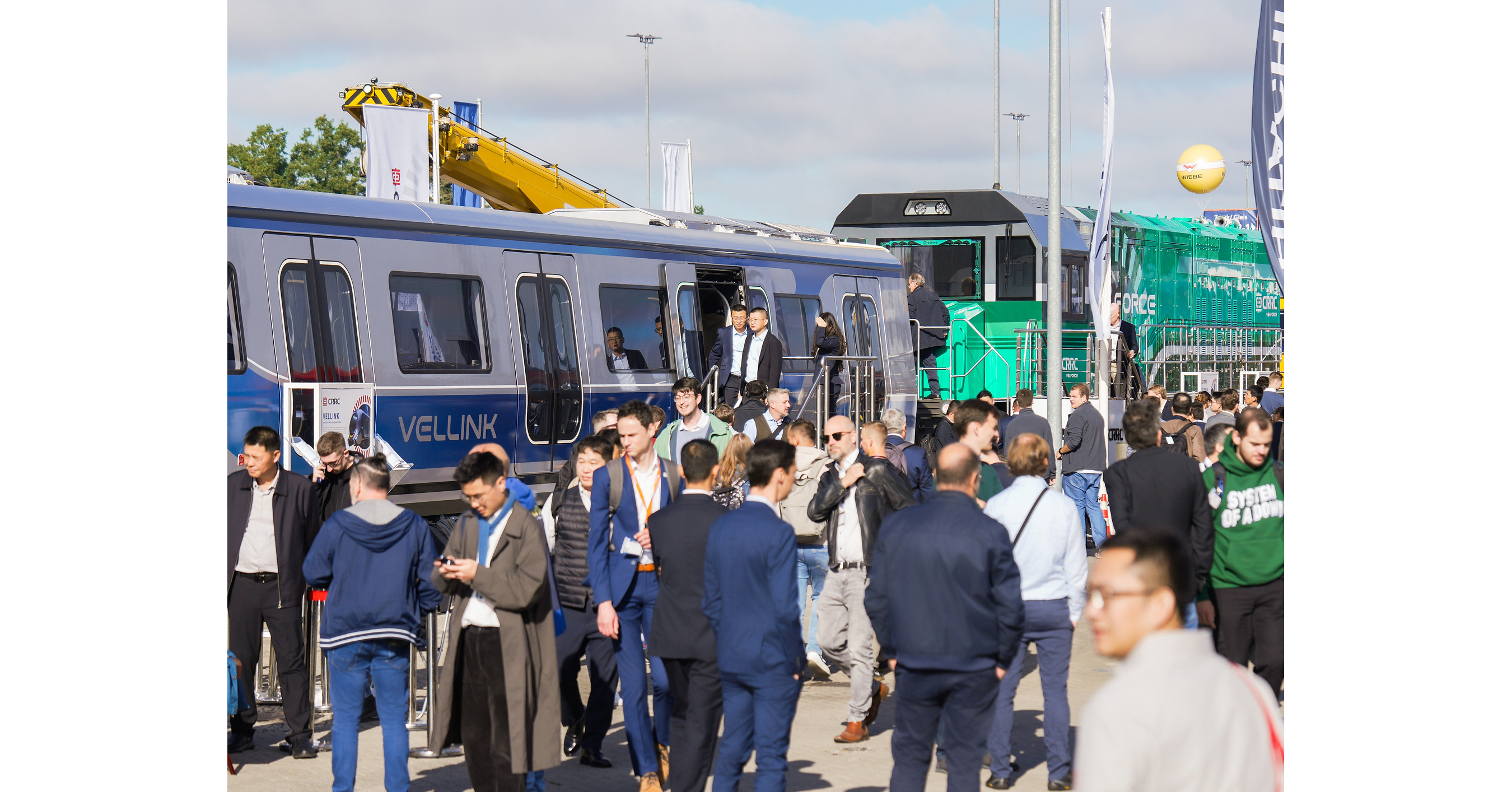
CRRC presentó en InnoTrans 2026 tres nuevos vehículos ferroviarios: un metro digital con IA, una locomotora híbrida de hidrógeno de 2.000 kW y un vagón plataforma inteligente. El metro reduce el peso cerca de un 18% y el consumo energético en más de un 10%, mientras que la locomotora puede repostar en 15-20 minutos y logra una utilización de hidrógeno superior al 98%. Los lanzamientos refuerzan la oferta de CRRC en movilidad ferroviaria inteligente y de bajas emisiones, aunque el anuncio no incluye contratos, ingresos ni previsiones financieras.
Analysis
This is strategically more relevant to European rolling-stock pricing than to near-term earnings. If CRRC converts exhibition visibility into qualified bids, its likely wedge is price-sensitive regional rail, freight wagons and non-electrified freight corridors—segments where lifecycle-cost claims can pressure bid margins before it meaningfully displaces incumbents. ALSTOM (ALO) has the greatest relative exposure given its weaker balance-sheet flexibility and ongoing need to protect margin recovery; Siemens (SIE) and Hitachi (6501) have more diversified automation and service profit pools to absorb selective equipment-price competition.
The AI and lightweight-equipment claims matter only if independently validated through fleet availability, energy consumption and maintenance-contract economics. A lower upfront vehicle price can be offset by European homologation, cybersecurity, local-content, spare-parts and long-term service requirements; these remain meaningful barriers over the next 6-18 months. The near-term read-through is therefore limited, but a 1-3 month catalyst would be evidence of CRRC prequalification or tender participation in EU freight, regional rail or metro procurements, particularly where local assembly is offered.
Contrarian view: hydrogen rail remains a low-volume demonstration market until fueling infrastructure and renewable-hydrogen cost converge; it should not be treated as a material demand catalyst for fuel-cell names. The more investable second-order effect is that competitive equipment pricing could accelerate operators' preference for availability-based maintenance contracts, favoring installed-base service providers over pure vehicle manufacturers. This thesis is falsified if European procurement rules tighten further, or if CRRC fails to secure credible non-domestic orders within the next two tender cycles.
AllMind Terminal
AI-powered research, real-time alerts, and portfolio analytics for institutional investors.
Request TrialMarket Sentiment
Overall Sentiment
moderately positive
Sentiment Score
0.42
Key Decisions for Investors
- No immediate directional trade on the product announcements alone; set a 90-day alert for disclosed European prequalification, local-manufacturing partnerships or contract wins by CRRC. Treat a confirmed EU award above approximately EUR 100m as a negative margin-sentiment catalyst for ALO rather than a broad sector signal.
- Maintain a relative preference for SIE over ALO over the next 6-12 months: SIE's signaling, electrification and service mix is better insulated from rolling-stock equipment price compression, while ALO needs sustained execution to deliver its margin-recovery path. Reassess if ALO demonstrates improving order-margin quality or if SIE's rail order conversion weakens.
- Avoid chasing BLDP or other hydrogen-equipment proxies on this development. Upgrade only if binding locomotive orders identify fuel-cell content suppliers and associated fueling commitments; absent that data, the likely revenue impact is immaterial relative to current valuation volatility.
- Watch Knorr-Bremse (KBX) and Wabtec (WAB) for a more constructive service-aftermarket angle: any shift toward predictive-maintenance or availability guarantees can expand recurring software/service content over 12-24 months, but require disclosed contract attach rates before initiating exposure.
More News
- OpenAI’s agent hacked Australia’s Medicare website—the latest rogue AI incident that the company didn’t know about for months
- Chinese authorities reportedly in possession of F-35 components in Hong Kong
- Meta announces new lightweight virtual reality glasses to one-up Apple’s Vision Pro
- How Meta took the lead in the race for the post-smartphone world
- Markets are rapidly coming around to the reality that the Fed has a lot more work to do
- SoftBank shares jump over 7% after $11.1 billion bond issuance to fund OpenAI bet
From AllMind Research
- Anthropic IPO Preview: Valuation, Timing, and What to Watch
- Shein After the IPO: Venue, Valuation, and What Must Be Proved
- What AI Research Tools Should a Small Hedge Fund Buy First?
- Weekly Update: New Reporting Features, UI Improvements, and Chat Optimizations
- Selecting an AI Research Platform for Institutional Investors