
Wecom Fiber, Arizona Commerce Authority and Local Partners Celebrate Ribbon Cutting of Broadband Project in the Town of Parker
Source: PR Newswire
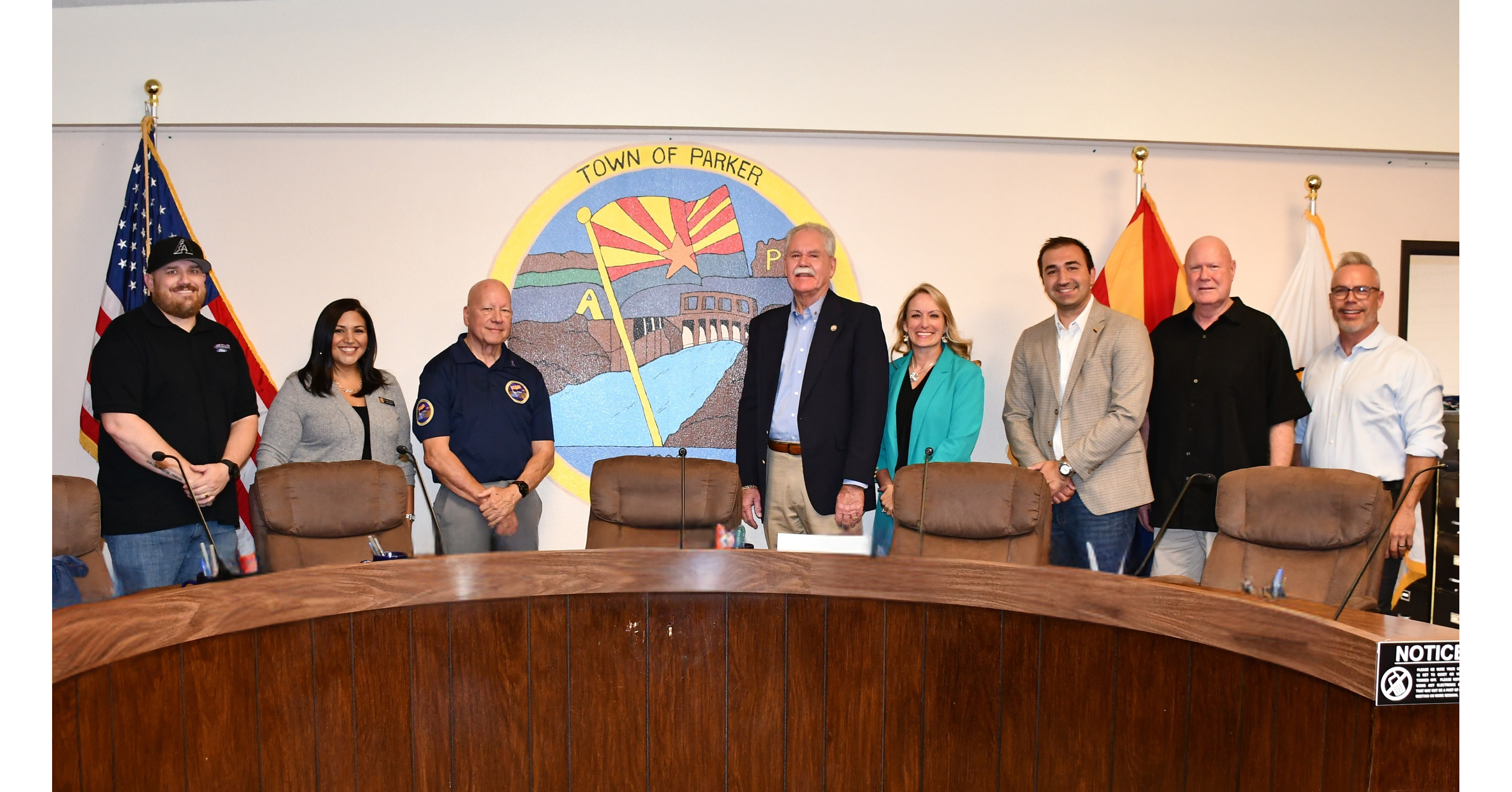
Wecom Fiber completed its fiber build across the Town of Parker, connecting 15,000 homes and businesses and 124 Community Anchor Institutions. The broader Arizona Broadband Development Grant project spans Mohave and La Paz counties and represents a total investment of $45 million, including $35 million from Wecom Fiber and a $10 million state grant. The company says it is also working to extend broadband access across eight Arizona counties.
Analysis
The investable signal is execution, not immediate earnings: a completed rural fiber build establishes a local alternative, but homes passed are not subscribers. The key value driver is take-up and revenue per connection relative to ongoing operating costs; neither is provided. Incumbent cable and telecom providers could face churn or pricing pressure where routes overlap, but the size of that exposure cannot be inferred from the coverage figures. The 124 anchor institutions may add stable demand, though contract economics are unknown.
The $45 million project also illustrates the two-sided BEAD/ABD subsidy effect. Public funding can make sparse-market builds viable and expand Wecom Fiber’s footprint; it can also attract rival builds, dilute eventual take rates, and leave operators competing for the same limited customer base. A completed project is not evidence that Wecom’s wider eight-county expansion will meet schedule or return targets.
Near term, this is unlikely to create a clean public-equity catalyst: Wecom is not identified as a listed company, and no direct financial impact on public peers is established. Over 1–3 months, watch for verified service availability, customer adoption, and evidence of incumbent responses. Over 6–18 months, BEAD award execution and project-level economics matter more than announced build milestones. The contrarian point is that “new access” can be mistaken for attractive returns: low-density coverage may still produce weak utilization. A thesis of durable competitive disruption would be weakened by low take-up, overlapping overbuild, or delays in the broader grant pipeline.
AllMind Terminal
AI-powered research, real-time alerts, and portfolio analytics for institutional investors.
Request TrialMarket Sentiment
Overall Sentiment
moderately positive
Sentiment Score
0.45
Key Decisions for Investors
- No directional public-equity trade on this announcement alone; Wecom’s listing status and project-level revenue, take-up, and operating economics are not supplied.
- Monitor incumbent cable and telecom operators only where actual route overlap is confirmed. Treat local pricing or churn pressure as a watch item, not a sector-wide short thesis.
- For the next 1–3 months, seek independent confirmation of serviceable premises, subscriber adoption, and any pricing changes before revising exposure to broadband incumbents.
- Over 6–18 months, track Arizona grant milestones, build delays, and evidence that new rural coverage converts into paying connections. Low take-up or competing builds would falsify the optimistic return case.
More News
- Taiwan agrees to buy 30% of gas from Alaska LNG project, Trump says
- South Korean carmaker Hyundai plans 'strategic' investment of $15.5 billion in India by 2032
- Houthis Hit Saudi Aramco Headquarters in Missile Attack
- Applied Materials’ $5 billion AI lab aims to cut chip development time in half—and restore Silicon Valley’s edge
- Wells Fargo CFO on Earnings, Deals, Consumer Strength
- Bank of America hit with more than $1.2 billion in penalties over money-laundering violations
From AllMind Research
- Anthropic IPO Preview: Valuation, Timing, and What to Watch
- Shein After the IPO: Venue, Valuation, and What Must Be Proved
- What AI Research Tools Should a Small Hedge Fund Buy First?
- Augmented Intelligence: AllMind, Elevate Human Judgement With an Accessible, Powerful, Data-Driven Financial AI Toolkit
- AI Research Systems for Hedge Funds: A Pilot Design