
Brayton Purcell LLP estrena la segunda temporada de «From Dust to Verdict»
Source: PR Newswire
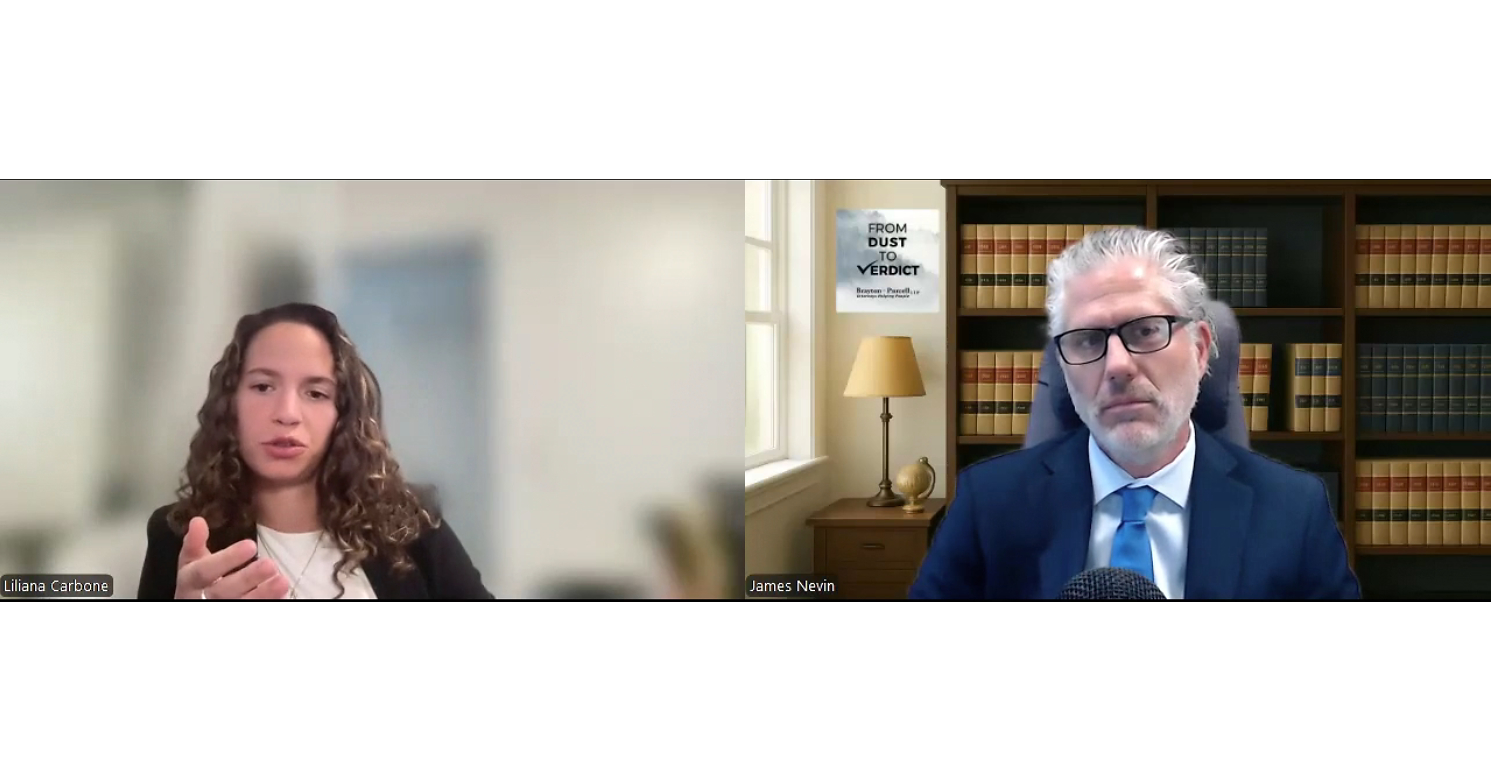
Brayton Purcell LLP lanzó la segunda temporada del podcast «From Dust to Verdict», enfocada en la epidemia de silicosis por piedra artificial y la respuesta regulatoria y judicial. El episodio 1 se centra en el caso Martínez-Paredes, donde el jurado otorgó una indemnización de más de 47 millones de dólares a la familia de Wilmer Rubin Martínez Paredes (fallecido a los 41 años por silicosis). El contenido subraya crecientes hallazgos científicos y debates sobre negligencia, diseño del producto y falta de advertencias, con implicaciones para fabricantes y reguladores.
Analysis
This is a liability-awareness datapoint, not an earnings catalyst for AAPL, GOOGL, or SPOT; any platform/distribution read-through is too remote to matter. The investable impact is concentrated in the engineered-surface ecosystem: fabricators, distributors, and any public proxy with high quartz exposure face the risk that repeated verdicts convert from reputational noise into reserve builds, warranty tightening, and lower channel demand. The second-order winner is not the plaintiffs’ bar per se, but substitution toward lower-silica alternatives and potentially toward more vertically integrated, better-capitalized suppliers that can absorb compliance costs.
Timing matters. In the next 1-4 weeks, price action should be muted unless there is a fresh verdict, a regulatory action, or an insurer disclosure. Over 1-3 months, the key catalysts are appellate filings, Cal/OSHA or state-level rulemaking, and any commentary from casualty insurers about product-liability exposure; those are the events that can force the market to re-rate small-cap surface names. Over 6-18 months, the structural risk is a mix shift away from high-silica products and into porcelain, solid-surface, and pre-fab alternatives, which can pressure volumes even if headline damages remain sporadic.
The contrarian view is that investors may be overreading a single large judgment as if it were immediately scalable. Verdicts only become economically meaningful when they translate into recurring claims, higher insurance premiums, or procurement changes by retailers and installers. Until then, the fastest-moving price response is likely in the weakest balance-sheet names with concentrated quartz exposure, not in broad consumer tech or media platforms. If follow-on cases stall or an appeal narrows damages, the trade thesis likely fades quickly.
AllMind Terminal
AI-powered research, real-time alerts, and portfolio analytics for institutional investors.
Request TrialMarket Sentiment
Overall Sentiment
moderately negative
Sentiment Score
-0.35
Key Decisions for Investors
- Do not trade AAPL/GOOGL/SPOT on this headline; treat the article as non-signal for those names unless a platform-specific legal issue emerges.
- Small tactical short in CSTE, ideally via 1-3 month put spreads on strength; target a 2:1 downside/upside payoff if repeat verdicts or regulatory headlines force another leg lower. Falsify on a favorable appeal, lack of new claims, or clear evidence that insurance covers the bulk of exposure.
- Pair trade: short CSTE vs long XHB to isolate engineered-stone liability risk from broader housing beta; use only if there is another state-level or appellate catalyst within the next quarter.
- Set an earnings-season alert on AIG and CB for product-liability reserve commentary; if reserves or loss-development creep higher, consider a basket short in liability-exposed small-cap material names rather than broad insurers.
More News
- The Best Smart Scales for Tracking Weight and Body Composition (2026)
- Will Warner Bros. kill Skydance — or will David Ellison kill Warner Bros?
- A $100 price hike may be all it takes to scare off iPhone buyers in this economy, as Apple reportedly slashes orders
- How Xiaomi, Oppo and other non-US brands are challenging the iPhone Duo
- Broadcom vs. Intel: Which Chip Stock Is a Better Buy in 2026?
- How to use the parental controls on iOS 27