
Sceye and SoftBank Corp. Complete Stratospheric Connectivity Demonstration in Japan, Advancing Towards HAPS Commercialization
Source: PR Newswire
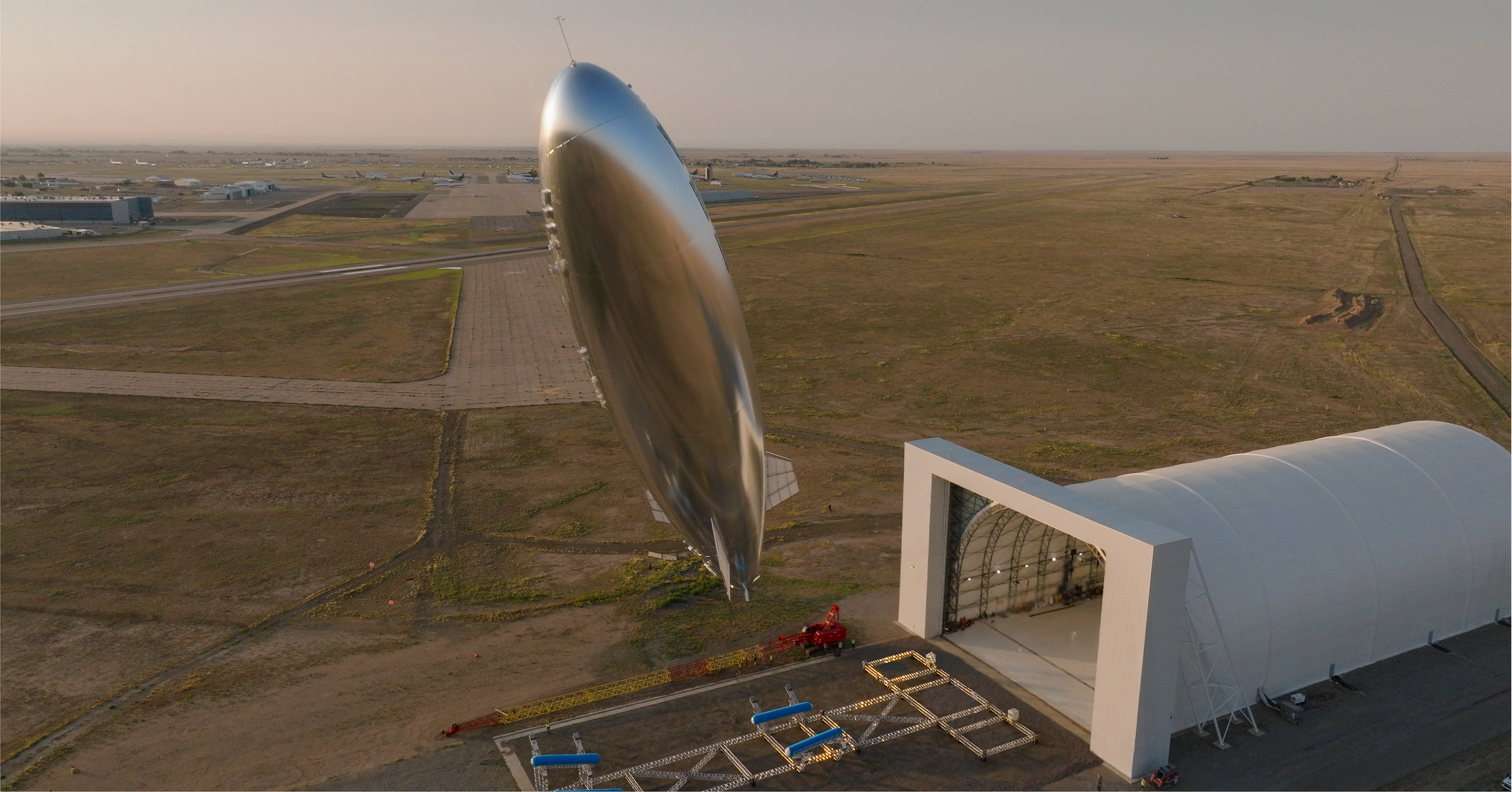
Sceye and SoftBank completed the ST1 Service Test 1 mission, flying more than 15,000 km from New Mexico to Japan in 13 days to demonstrate direct-to-device mobile broadband via HAPS and SoftBank’s core network. The onboard processing reduced communications latency by over 40%, with an average round-trip response time of 68 ms versus internet-based cloud processing. While ST1 remains in flight, the partners framed this as a key step toward commercial HAPS deployment and a 3D communications network, supported by SoftBank’s 2025 investment in Sceye’s stratospheric infrastructure.
Analysis
This is more an option-value update than a near-term earnings event. SoftBank’s edge is not revenue today; it is positioning itself as the carrier willing to sponsor a third layer of infrastructure between towers and satellites, which can improve its bargaining power with regulators and enterprise/public-sector customers if Japan treats HAPS as disaster-resilience infrastructure.
The first-order losers, if any, are capital-light satellite D2D stories that rely on scarcity of coverage alternatives rather than hard technical superiority. ASTS, GSAT and IRDM could see multiple pressure if carriers conclude that a regional stratospheric layer delivers lower latency and easier integration than orbit-based solutions; tower REITs are much less exposed because HAPS is more likely to fill gaps than replace dense metro coverage. The bigger second-order effect is on procurement: once a carrier can demonstrate onboard processing and direct-to-device service, rural and emergency budgets may shift from long-dated satellite contracts toward shorter-cycle pilot spend, which compresses the revenue visibility premium for incumbents.
The setup is fragile on execution. The next 1-3 months catalyst is not the demo itself but whether SoftBank translates it into funded trials, spectrum/airspace permissions, and an explicit commercialization roadmap; absent that, the move should fade. Over 6-18 months the key falsifier is unit economics: if platform durability, weather resilience, and maintenance costs do not beat a mixed tower + satellite solution, HAPS remains a prestige project rather than an infrastructure category.
AllMind Terminal
AI-powered research, real-time alerts, and portfolio analytics for institutional investors.
Request TrialMarket Sentiment
Overall Sentiment
moderately positive
Sentiment Score
0.45
Ticker Sentiment
Key Decisions for Investors
- Small tactical long SOBKY on any post-news pullback; treat as 6-12 month optionality on HAPS commercialization, but keep size modest because the financial contribution is not yet visible in guidance.
- Pair trade: long SOBKY / short GSAT or IRDM over 3-6 months if carrier commentary starts framing HAPS as the preferred non-terrestrial complement for regional coverage and disaster recovery.
- Do not chase AMT/CCI/SBAC lower on this headline; tower economics are not the primary substitution target, and a knee-jerk short would likely be poor risk/reward unless Japanese rural capex is explicitly repriced.
- Set an alert for the next SoftBank quarterly update and Japanese regulatory milestones; if there is no funded follow-on program or airspace approval progress by then, fade the HAPS narrative and take profits on any SOBKY strength.
- If you want defined risk instead of equity beta, consider a modest SOBKY call spread tied to the next 3-6 months of partnership/regulatory headlines; thesis invalidates if the stock gives back the news move and management stays non-committal on commercialization.
More News
- Trump waives broad new Russia sanctions and tariffs under Graham Act, citing national interest
- ECB's Lagarde says bond selloff will slow inflation
- Iran-backed Houthis strike Yemen’s Aden: What that means
- Christine Lagarde: IMFC Statement
- Why did CoreWeave stock get crushed this week? Look to this corner of the debt market for clues
- Solar power booms in Philippines as war on Iran spikes energy costs