
Bots and bargains: Zara owner launches cut-price Lefties in UK to rival Primark
Source: theguardian.com
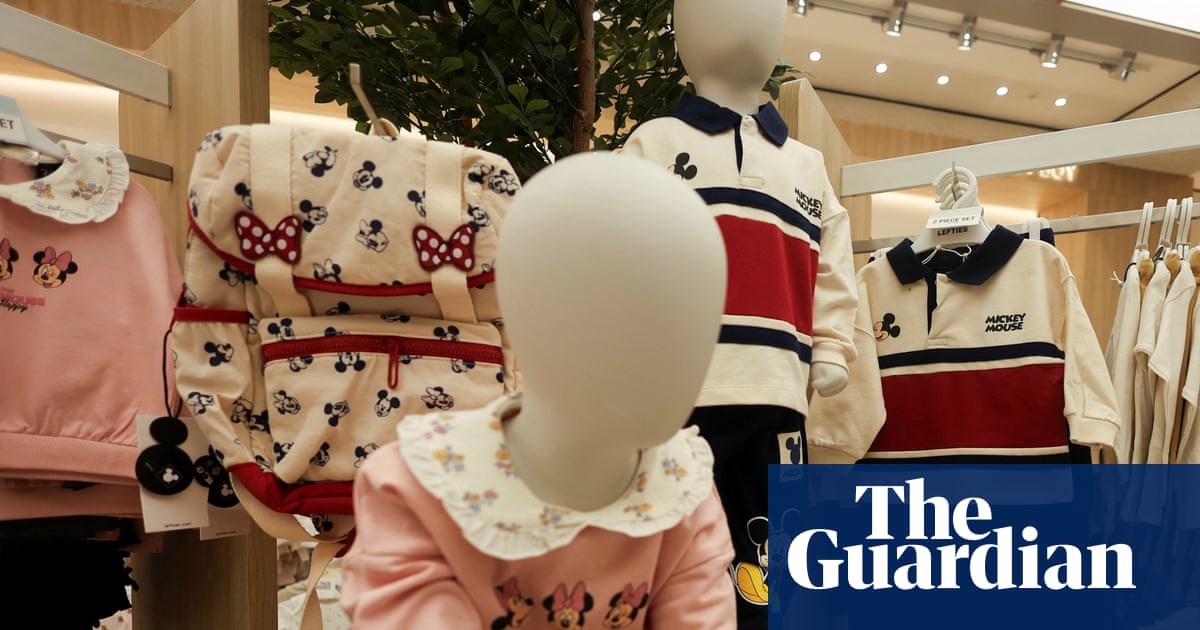
Inditex (Zara owner) launched its cut-price chain Lefties in the UK with a first store in Liverpool, backed by in-store robotics (self-checkouts scanning whole baskets and automated hanger/garment sorting) to reduce staffing costs. Lefties positions prices around Primark and slightly below/near Shein (e.g., dresses averaging ~£18 vs ~£16 at Primark and ~£18.50 at Shein), while offering seamless store+online shopping and free delivery over £49. The UK rollout—3 stores planned in 2025—adds competitive pressure on Primark and other value apparel players, though it faces a crowded market.
Analysis
This is more of a competitive-pressure event than a direct earnings event. The real read-through is that value apparel is becoming a three-way squeeze: store-based discounters, ultra-low-cost online players, and supermarket private labels all compete on the same basket, so incumbents with weak differentiation will have to defend traffic with price and promo intensity. The first-order impact is likely on margin structure, not revenue growth, because the customer overlap is high but switching costs are near zero.
The robotics angle matters because it lowers the labor burden of a format that otherwise would be hard to scale profitably in the UK. If the first three stores show acceptable sales density, this becomes a template for rapid rollout into mall-based retail with lower staffing intensity than traditional chains; if they underperform, the concept likely stays opportunistic rather than strategic. Over 1-3 months, the key catalyst is store productivity and online conversion; over 6-18 months, it is whether peers are forced into a broader markdown response in basics and winterwear.
Contrarian view: the market may overrate the automation story and underrate how crowded the low-to-mid price band already is. The format sits in a difficult middle ground: above the cheapest players on price, below the best on speed, and not differentiated enough on brand to guarantee loyalty. The likely falsifier is weak initial store traffic or rising return/markdown rates, which would imply the expansion is more headline than economics.
AllMind Terminal
AI-powered research, real-time alerts, and portfolio analytics for institutional investors.
Request TrialMarket Sentiment
Overall Sentiment
mildly positive
Sentiment Score
0.15
Key Decisions for Investors
- No immediate trade in CBNA, PLCE, TBHC, or TSCDY on this headline; the signal is too indirect and the likely P&L impact too small to justify forced positioning.
- Maintain a cautious/neutral stance on TSCDY for the next quarter: Tesco's private-label apparel could see incremental pressure, but only act if general merchandise margin or like-for-like traffic weakens on the next update.
- Do not short PLCE off this headline alone; the overlap is thematic rather than direct, so this is not a high-conviction catalyst for a US children's apparel short.
- Set a watch item on Lefties' first two UK quarters of sales productivity and expansion cadence; if the company slows beyond the initial three stores, the competitive threat to UK value apparel likely stays local rather than structural.
More News
- Musk says Terrafab chip factory could outperform rivals despite challenges
- Nvidia GPUs are everywhere. Here are the ways companies are accessing them
- Stocks saw new highs and big declines: How the volatile AI trade moved last week's market
- Will Warner Bros. kill Skydance — or will David Ellison kill Warner Bros?
- The world needs Ukraine’s grain. Its farmers are running out of reasons to plant
- Cerebras Is About as Big as Nvidia's Data Center Business Was Nearly a Decade Ago. The Similarities Mostly End There.
From AllMind Research
- Anthropic IPO Preview: Valuation, Timing, and What to Watch
- Shein After the IPO: Venue, Valuation, and What Must Be Proved
- What AI Research Tools Should a Small Hedge Fund Buy First?
- Document Search Enhancements, AI Enhancements, AI Actions, & Chat Export
- AI Vendor Landscape for Institutional Investment Teams