
Vistry swings to £661 million loss as housebuilder unveils major restructuring
Source: proactiveinvestors.com
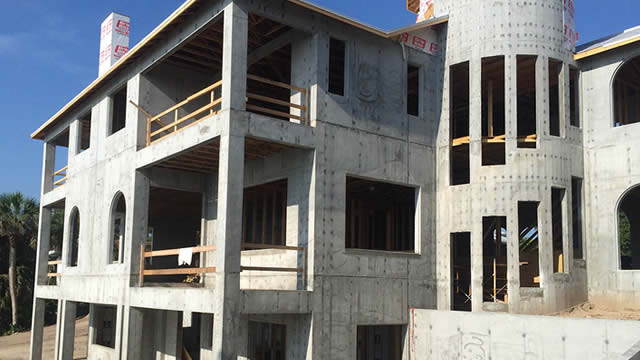
Vistry Group reported a £661.3 million first-half pre-tax loss for the six months to June, versus a £40.9 million profit a year earlier. The loss was driven by a £475 million goodwill impairment and a £73.2 million building-safety charge. Following a strategic review, the UK housebuilder plans to shrink operations, reduce costs and lower debt.
Analysis
The strategic reset shifts Vistry from a scale-and-growth equity story to a balance-sheet repair story. The key valuation question is not the non-cash impairment itself, but whether the smaller operating footprint can release enough working capital to reduce leverage without forcing land sales into a weak market; any disposal below book value would invite further NAV and multiple compression. Building-safety liabilities also deserve a higher probability-weighted reserve than management’s current charge until the scope, timing and recoverability from contractors are independently established.
Over the next 1-3 months, the shares are likely to trade on evidence of cash conversion: net debt guidance, land-bank write-downs, cancellation rates, and partnership-unit margin rather than reported earnings. A credible reduction in overheads and inventory can stabilize the equity, but the cost base will likely lag revenue contraction, leaving downside risk to FY26 operating margins. Competitively, volume retrenchment by VTY modestly improves bid discipline for UK peers with stronger balance sheets, particularly Bellway (BWY) and Taylor Wimpey (TW.), while land vendors and subcontractors face weaker pricing power.
Consensus may incorrectly treat the impairment as a clean kitchen-sink event. That view is only valid if the remaining land bank is marked to realizable values and safety costs are capped; a shrinking builder typically loses procurement leverage and absorbs a larger fixed-cost burden, making the recovery more execution-sensitive than a conventional cyclical rebound. The upside case requires mortgage affordability to improve concurrently with debt reduction, but that macro support would benefit better-capitalized peers first and reduce the need to own VTY-specific turnaround risk.
For 6-18 months, monitor whether management can preserve its capital-light partnership model while exiting lower-return activity. If partnership revenue proves resilient and net debt falls faster than expected, VTY could rerate from distressed-book-value framing; absent that, its equity remains a residual claim vulnerable to additional provisions and covenant pressure.
AllMind Terminal
AI-powered research, real-time alerts, and portfolio analytics for institutional investors.
Request TrialMarket Sentiment
Overall Sentiment
strongly negative
Sentiment Score
-0.72
Ticker Sentiment
Key Decisions for Investors
- Avoid initiating a directional long in VTY until the next trading update quantifies net-debt reduction, land-disposal assumptions and the full building-safety cash schedule. A clean catalyst requires debt to fall without incremental land-book-value impairment; failure on either metric supports renewed downside.
- Express UK housing exposure as long BWY or TW. versus short VTY over a 3-6 month horizon. The pair isolates VTY’s restructuring and liability risk while retaining exposure to a potential UK mortgage-rate-driven sector rally; reassess if VTY demonstrates materially faster cash conversion than peers.
- For existing VTY holders, use any relief rally following cost-cutting detail to reduce exposure unless management provides independently auditable reconciliation from reported net debt to post-disposal net debt. The principal risk to a short/underweight is a rapid rate-cut cycle that drives a broad UK housebuilder rerating.
- Set alerts around FY26 margin guidance, cancellation rates and additional safety provisions. A further provision or land write-down would challenge the 'one-off reset' narrative; conversely, stable gross margin plus meaningful working-capital release would invalidate the near-term bearish thesis.
More News
- Vistry Group shares fall 6% as profit and cash outlook worsen
- Stock Movers: Vistry, Asos, Christian Dior (Podcast)
- History shows financial calamities occur when rates rise rapidly like this: 'Something always breaks'
- Oracle Japan shares surge 7% after record fiscal first quarter, bucking selloff of U.S. parent
- Akamai secures $11.6B cloud deal with Anthropic for AI workloads
- 30-year fixed mortgage rate jumps sharply Thursday to 7.45%