
US must address this CRITICAL 'CHOKEPOINT' very quickly, ex-energy chief warns
Source: youtube.com
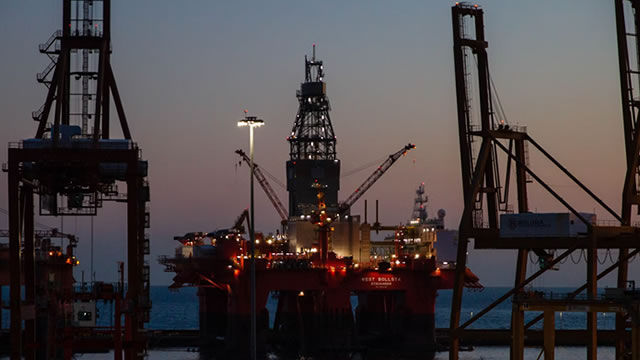
The segment highlights a new US Treasury action targeting 60 entities in connection with Iran sanctions, alongside concerns about shipping bottlenecks that are pressuring diesel prices. Dan Brouillette argues that addressing key US energy infrastructure “choke points” is critical to stabilizing global oil-market balances. The overall read-through is cost pressure from higher diesel prices rather than an immediate relief catalyst.
Analysis
The immediate winners are upstream energy and distillate-heavy refiners, but the cleaner expression is not crude beta alone — it is exposure to diesel crack tightening. If sanctions/enforcement meaningfully reduce Middle East barrels or disrupt shipping lanes, the market usually reprices the middle distillate complex faster than headline crude, which supports VLO, MPC, and PSX relative to XOM/CVX. The losers are freight-intensive businesses with low pricing power: truckers, parcel/logistics, airlines, and industrials with diesel as a pass-through cost; the second-order effect is margin compression before end-demand weakens enough for management teams to guide down.
The inflation channel matters more than the oil P&L channel over the next 1-3 months. A persistent diesel move bleeds into freight, food distribution, and manufacturing input costs, which can keep real-rate-sensitive equities under pressure even if crude itself pauses. The key risk is that this is a sentiment-driven geopolitical premium: if enforcement proves leaky, if OPEC+ offsets lost barrels, or if US product inventories rebuild, the trade can unwind quickly and refiners revert to normal spreads.
Contrarian view: the market may be overestimating how durable a diesel squeeze can be if US refining utilization climbs and exports clear through alternate routes. I’d treat this as a tactical rather than structural theme unless diesel cracks stay elevated for several reporting cycles. Falsifiers: WTI back below the low-$70s, ULSD cracks retracing sharply, or transport names reclaiming relative strength versus XLE on a 2-4 week basis.
AllMind Terminal
AI-powered research, real-time alerts, and portfolio analytics for institutional investors.
Request TrialMarket Sentiment
Overall Sentiment
mildly negative
Sentiment Score
-0.25
Key Decisions for Investors
- Long VLO/MPC vs short IYT for 1-3 months: express a diesel-crack widening thesis; risk/reward improves if trucking margins start getting revised down before fuel surcharges catch up.
- Add XLE selectively, but prefer refiners over E&Ps: crude upside alone is less attractive than product-spread exposure; trim if WTI fails to hold a higher-low on a 2-3 week horizon.
- Buy protective downside on J.B. Hunt (JBHT) or Knight-Swift (KNX) into strength if fuel-cost pass-through lags spot diesel; thesis fails if contract rates reprice within one quarter.
- Watch ULSD crack spreads and DOE distillate inventories as the real catalyst set; if cracks normalize, reduce energy beta and fade the inflation trade.
More News
- Pilot killed in attacks by Iran-backed Houthis on Riyadh airport; Saudi-led coalition vows 'firm' response
- Delta Air Lines cuts 2026 forecast on fuel surge, but CEO says demand is still strong
- Is AI the new China Shock?
- India calls JD Vance's comments about immigrants 'deeply offensive'
- AI-related companies to drive most third-quarter US earnings gains
- Trump says US will not strike Iran before midterm elections