
Obsidian Sensors Selected for U.S. Army DUTCH Program to Deliver High-Resolution Thermal Cameras at Attritable Prices
Source: PR Newswire
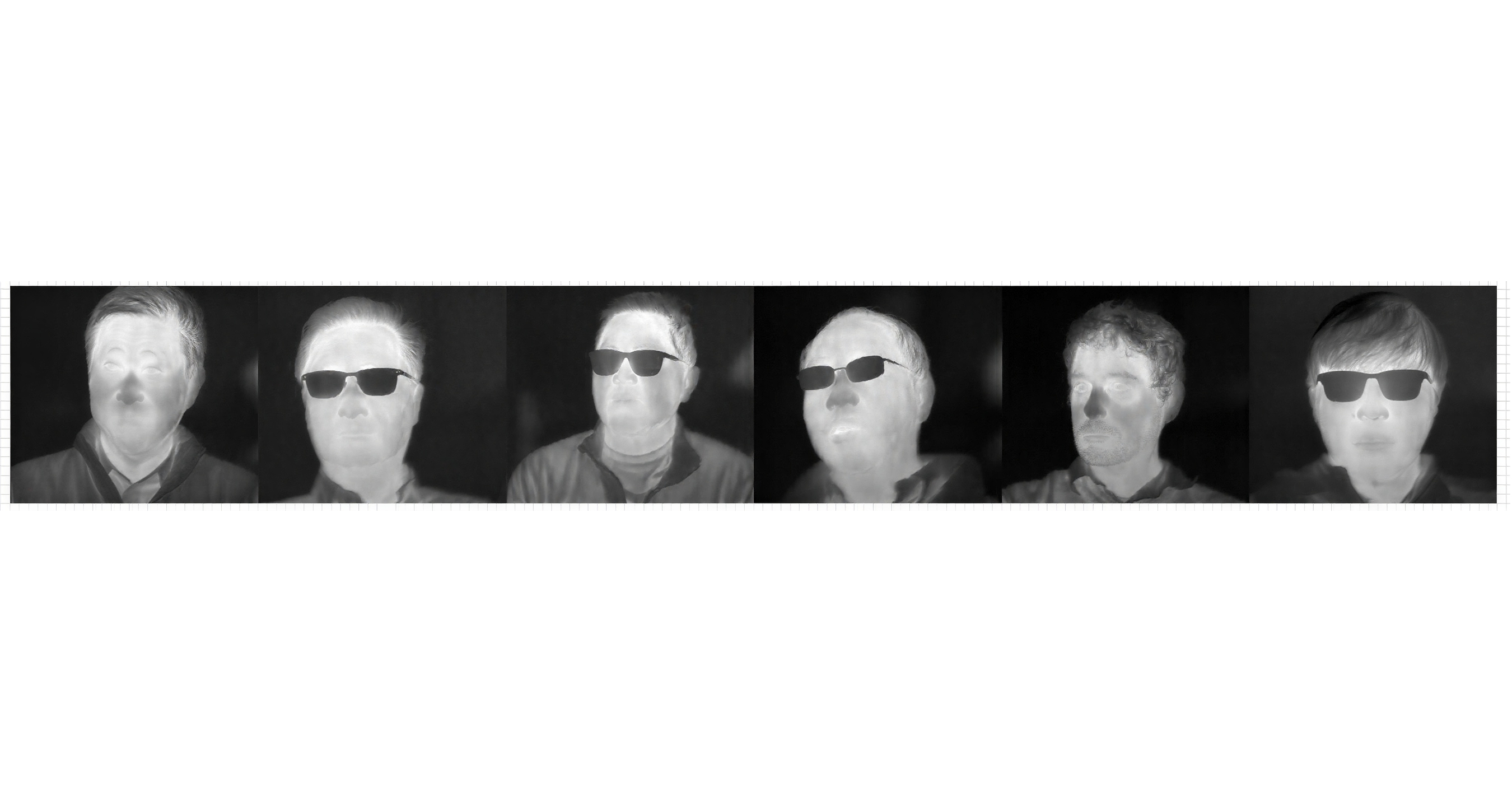
Obsidian Sensors said its DUTCH program work will scale production of high-resolution thermal cameras at attritable prices using its Large Area MEMS Platform, which fabricates sensors on glass substrates 20 times the area of an 8-inch silicon wafer. The company is already shipping VGA cameras in volume, targets an SVGA launch by year-end and SXGA in 2027, and says its technology could achieve costs an order of magnitude below incumbent thermal-imaging suppliers at scale. A new San Diego packaging facility is intended to support expansion into defense applications including drones, loitering munitions and other attritable platforms.
Analysis
The relevant disruption is not simply lower sensor pricing; it is a potential transfer of value from thermal-core suppliers to drone airframe, autonomy, and munition integrators. If thermal payload cost falls materially, electro-optical/infrared capability becomes standard on lower-cost expendable systems, expanding addressable unit volumes for AVAV, KTOS, and Red Cat (RCAT) rather than necessarily expanding aggregate sensor-industry margins. Incumbent thermal franchises inside Teledyne (TDY/FLIR), L3Harris (LHX), RTX, and BAE Systems face the greatest long-duration risk where proprietary sensor pricing—not integration, software, or qualification—has supported margin.
Near term, this is not yet a public-equity earnings event: the company is private, award economics are undisclosed, and defense adoption requires yield consistency, environmental qualification, secure sourcing, and packaging-scale proof. The critical 1-3 month diligence point is whether production contracts specify recurring unit volumes and delivered cost, rather than prototype or development quantities. A demonstrated ramp to higher resolution without degraded yield would matter over 6-18 months, as it could pressure legacy sensor ASPs in the attritable-UAS segment while leaving high-end cooled imaging comparatively insulated.
Consensus may overstate the immediate threat to TDY and LHX. Defense buyers generally pay for qualified availability, integration support, and supply assurance; a lower bill of materials only becomes disruptive when a new supplier proves delivery reliability across multiple programs. The more investable second-order angle is that lower payload cost can increase the number of drones procured per budget dollar, improving volume visibility for expendable-UAS suppliers before it creates measurable revenue displacement at diversified sensor incumbents.
AllMind Terminal
AI-powered research, real-time alerts, and portfolio analytics for institutional investors.
Request TrialMarket Sentiment
Overall Sentiment
moderately positive
Sentiment Score
0.55
Key Decisions for Investors
- No immediate directional position in TDY or LHX: treat this as a margin-risk watch item, not an earnings catalyst, until independently verified production volumes, delivered ASPs, and customer awards emerge. A material defense-program win or evidence of incumbent price concessions would justify revisiting a short/underweight.
- Build a 6-12 month watchlist long in AVAV and KTOS, with RCAT as a higher-beta satellite position, for signs that lower-cost EO/IR payloads expand attritable-UAS order quantities. Enter only on confirmed order-book growth or guidance implying unit-volume acceleration; falsify if procurement remains limited to small pilots or gross margins deteriorate from pass-through component pricing.
- Relative-value framework: long AVAV or KTOS versus TDY only after evidence of broad payload substitution. The target mechanism is multiple expansion for drone-platform volume growth against modest multiple compression in legacy thermal imaging; avoid the pair if TDY demonstrates stable FLIR organic growth and pricing despite new-source qualification.
- Monitor TDY/LHX defense-imaging commentary over the next two earnings cycles for ASP, backlog, and competitive-language changes. A sustained decline in imaging margins, explicit low-cost-UAS competition, or lost sole-source status would be the actionable confirmation; absent these, diversification makes outright shorts unattractive.
More News
- US House votes to end Iran war, 7 Republicans join in favour
- Exclusive-SK Hynix in talks with Intel about deal to make memory chips in the US for the first time, sources say
- Saudi coalition says Houthi drone destroyed near Mecca
- Grab aims for 'next level' in financial services with purchase of buy-now pay-later platform Atome
- Ukraine war drives European demand for bigger, cheaper missile arsenals
- China's AI leaders keep quiet despite U.S. 'publicity' on tech risks