
Are Target's Stores Becoming a Bigger E-commerce Growth Engine?
Source: zacks.com
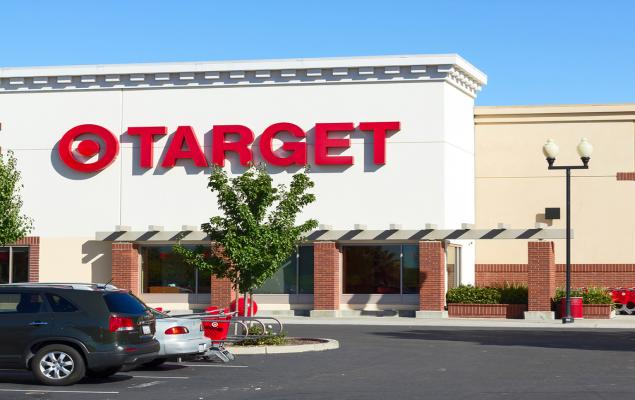
Target's Q2 fiscal 2026 digital comparable sales rose 8.7% year over year, including more than 25% growth in same-day delivery; 97.6% of merchandise sales were fulfilled through stores, and same-day and next-day units increased nearly 30%. The company opened 17 stores and advanced more than 100 remodels. Target shares gained 3.4% over three months versus a 0.7% industry decline; consensus estimates imply current-year sales growth of 5.1% and EPS growth of 38.8%, but next-year EPS is projected to fall 9.9%.
Analysis
The key question is whether store-based digital growth adds profitable demand or simply shifts orders into a more expensive channel. Store fulfillment can avoid some dedicated-warehouse costs, but picking labor, delivery subsidies, and fragmented baskets may offset that benefit. The reported share of sales fulfilled through stores is not evidence of fulfillment profitability, particularly because it includes ordinary in-store purchases. The investment signal is therefore unit economics, not digital growth alone.
For TGT, the valuation discount cited in the article could reflect a real earnings-quality concern: next fiscal year's consensus EPS decline leaves less room for fulfillment investment or merchandising pressure to be absorbed. A low multiple is not a catalyst absent durable gross-margin and operating-margin improvement. Near term, watch the next earnings release for digital growth alongside gross margin, expense leverage, and guidance; over 6–18 months, consistent contribution from the store network could support a rerating, while rising delivery costs could make sales growth dilutive.
WMT's scale and fast-delivery expansion raise the bar for convenience and could pressure Target to spend to keep pace. BJ's club model is a distinct comparator, but its digitally enabled sales mix and order economics are not directly comparable. The article's optimistic framing underweights this cost-to-serve test; absent margin evidence, the signal is mildly positive for sales momentum but insufficient for an aggressive long.
AllMind Terminal
AI-powered research, real-time alerts, and portfolio analytics for institutional investors.
Request TrialMarket Sentiment
Overall Sentiment
mildly positive
Sentiment Score
0.30
Ticker Sentiment
Key Decisions for Investors
- No immediate directional trade in TGT on this article alone. Treat store-based digital growth as a watch item until management or reported results demonstrate stable/improving gross margin and operating expense leverage alongside digital sales.
- At the next TGT earnings catalyst, reassess a modest TGT-versus-XRT relative-value position only if comparable-sales momentum persists and margins do not deteriorate; cut the thesis if guidance weakens or fulfillment-related expense growth outpaces sales.
- Use WMT as the competitive benchmark, not an automatic short: monitor whether Target's digital growth and delivery reliability hold up against Walmart's expansion without requiring materially higher promotional or delivery spending.
- Falsification watch: a reversal in digital comparable-sales momentum, gross-margin contraction, or another downward revision to forward EPS would suggest the network is buying volume rather than creating operating leverage. Conversely, sustained margin improvement with digital growth would strengthen the rerating case.
More News
- Why Peacock is making a huge bet on YouTube
- Citi initiates Vusion at buy, sees 84% upside on electronic shelf label growth
- Marvell to buy Lumentum in $115 billion deal in AI data-center bet
- Palantir reports booming U.S. commercial revenue growth, topping government for first time
- Anthropic releases amended IPO prospectus with third-quarter financials
- Coinbase has been battered over the past month. Morgan Stanley says steer clear