
Seine Königliche Hoheit der Kronprinz präsentiert die Flaggschiff-Fahrzeuge von CEER und stärkt damit weiter die Position Saudi-Arabiens in der globalen Automobilindustrie
Source: PR Newswire
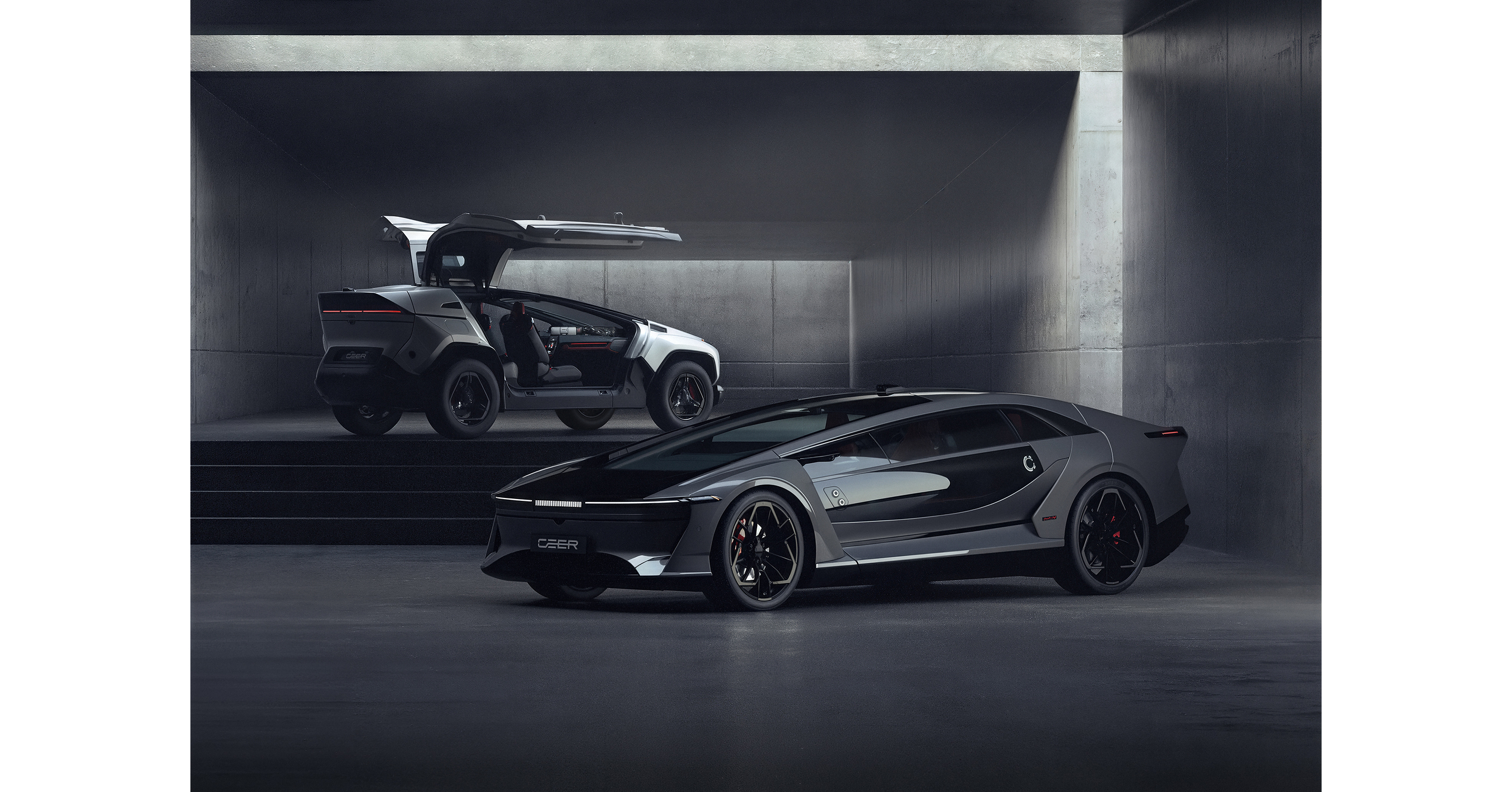
Saudi-Arabianische Automarke CEER hat ihre ersten EXOBOT-Limousinen und SUVs vorgestellt und plant, innerhalb von fünf Jahren insgesamt sieben Modelle auf den Markt zu bringen. Die Fahrzeuge sollen im CEER Manufacturing Complex produziert werden, der als größte Automobilproduktionsstätte im Nahen Osten positioniert wird. CEER erwartet bis 2034 einen Beitrag von 8 Mrd. US-Dollar zum saudischen BIP sowie 21 Mrd. US-Dollar zur Handelsbilanz, unterstützt durch den Public Investment Fund im Rahmen der wirtschaftlichen Diversifizierung des Königreichs.
Analysis
CEER is less an immediate public-equity earnings event than a signal that Saudi industrial policy is shifting from assembly incentives toward demand creation, supplier localization, and state-supported fleet procurement. The first-order listed beneficiary is Lucid (LCID): a deeper Saudi EV ecosystem can reduce logistics and service-network friction, but CEER also creates a PIF-backed competitor for domestic premium demand and government purchasing. The more material 6-18 month implication is margin pressure on imported premium EVs, particularly Tesla (TSLA), if localized content receives tariff, financing, or procurement advantages.
The stated macroeconomic contribution should be treated as an aspiration, not an investable forecast. The key bottleneck is not vehicle design but repeatable production quality, local supplier economics, charging uptime, residual values, and consumer-credit penetration; each can delay volume ramp and turn a nominally large factory into a low-utilization fixed-cost asset. Chinese OEMs—BYD, Geely, and SAIC—are the likely competitive constraint because they can undercut Western brands on cost and may use Saudi localization to access the wider GCC and Africa.
Near term, there is no clean directional trade absent independently verified production capacity, order deposits, unit pricing, localization targets, and committed procurement volumes. Watch for announced component awards: global suppliers with established regional footprints, including Aptiv (APTV), Magna (MGA), and Lear (LE), could benefit only if contracts include meaningful funded volume rather than memorandum-level partnerships. A credible Saudi financing subsidy or import-duty differential would be the catalyst that changes this from industrial-policy narrative to a measurable competitive risk for LCID and TSLA.
AllMind Terminal
AI-powered research, real-time alerts, and portfolio analytics for institutional investors.
Request TrialMarket Sentiment
Overall Sentiment
moderately positive
Sentiment Score
0.52
Key Decisions for Investors
- Maintain LCID as a watch-list short rather than initiate: reassess after Saudi government fleet-procurement allocations or CEER pricing are disclosed over the next 3-6 months. A CEER-supported domestic premium offering below comparable Lucid pricing would weaken LCID's Saudi demand and residual-value assumptions; falsify on sustained Lucid Saudi deliveries and gross-margin improvement.
- Do not trade CEER-linked suppliers until named awards include annual unit volumes, localization percentages, and capex funding. Set alerts on APTV, MGA, and LE for disclosed Saudi contracts; only consider longs if incremental revenue exceeds roughly 1% of company sales and capex is customer-funded.
- Use TSLA as the liquid hedge for a Saudi EV-localization basket rather than a standalone short: a long BYD proxy/short TSLA relative position becomes more attractive if Saudi policy introduces preferential financing, tariffs, or public procurement for locally produced EVs. Exit if Tesla announces comparable local manufacturing or binding fleet orders.
- Monitor LCID Saudi delivery cadence, CEER deposit/order data, and GCC import-duty policy monthly. Without evidence of scaled demand or a policy moat by the first production year, avoid extrapolating state backing into investable automotive margins.
More News
- South Korean solar stocks jump as curbs on Chinese sector expected to remain in place
- ‘I have a big decision to make’: Trump had a ‘good meeting’ with Iranian officials warning he may ‘annihilate the Islamic Republic’
- Trump Says US Team Met With Iranians at UNGA
- Zelenskyy says Ukraine ready for energy truce with Russia after Trump talks
- South Korea’s Lee, Trump welcome progress in US strategic investment projects
- Meta is breaking out after introducing Muse AI agent. Where the stock is going, according to the charts
From AllMind Research
- Anthropic IPO Preview: Valuation, Timing, and What to Watch
- Shein After the IPO: Venue, Valuation, and What Must Be Proved
- What AI Research Tools Should a Small Hedge Fund Buy First?
- How to Evaluate Consensus Estimates Platforms With AI
- Weekly Update: Adding Live MBO Level 3 Data - Liquidity Heatmap, OFI Charts, and More