
Spoločnosť Sceye podporila SoftBank Corp. pri svetovo prvej ukážke laserového merania vzdialenosti sledovaním platformy HAPS zo zeme
Source: PR Newswire
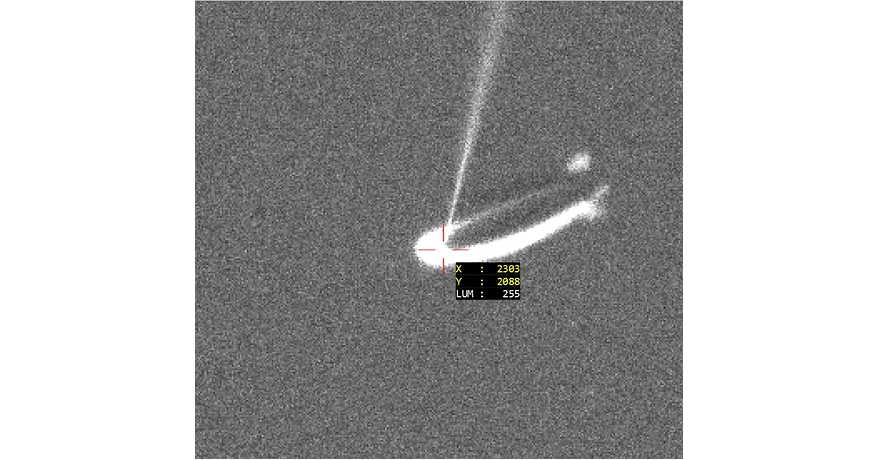
Sceye and SoftBank completed what they describe as the first real-time ground-to-stratosphere laser tracking demonstration of a high-altitude platform system (HAPS), continuously receiving reflected laser signals from the platform. The test, conducted during Sceye's 30-day ST1 mission covering nearly 30,000 km, generated data for future free-space optical links among ground infrastructure, HAPS platforms and satellites. The flight also demonstrated direct connectivity for unmodified devices, including calls, texts, internet and video streaming, supporting the commercial potential of stratospheric communications infrastructure.
Analysis
The investable implication is primarily for SoftBank Corp. (9434 JP), not Sceye: a viable HAPS layer could lower the marginal cost and deployment time of rural coverage, disaster restoration and temporary capacity relative to terrestrial build-outs. The economic prize is greatest where spectrum is available but tower/backhaul economics are poor; however, this remains a capability demonstration rather than evidence of a bankable network architecture, since payload power, weather availability, pointing loss, spectrum coordination and unit economics remain unproven. Near-term valuation impact for 9434 should be negligible absent a disclosed commercial rollout, capex plan, or incremental subscriber/revenue target.
Competitive pressure would be more relevant over 6-18 months to satellite-connectivity incumbents—Iridium (IRDM), Viasat (VSAT), SES (SESG FP)—and eventually direct-to-device narratives at AST SpaceMobile (ASTS), if HAPS can offer materially lower latency and cheaper capacity in targeted geographies. The contrarian view is that optical feeder links may improve backhaul but do not solve the scarce asset: reliable customer access through clouds, rain and continuously changing platform position; RF redundancy likely raises payload cost and limits the purported capacity advantage. A commercial announcement would be more meaningful if it specifies availability targets, cost per delivered GB, payload throughput and platform endurance rather than additional technical milestones.
AllMind Terminal
AI-powered research, real-time alerts, and portfolio analytics for institutional investors.
Request TrialMarket Sentiment
Overall Sentiment
moderately positive
Sentiment Score
0.62
Key Decisions for Investors
- No directional trade on 9434 JP from this event alone; set an alert for a commercial HAPS deployment commitment or disclosed capex/revenue framework over the next 3-6 months. Upgrade only if management quantifies economics versus rural terrestrial coverage and identifies a paying customer or regulator-approved service area.
- Watch ASTS versus 9434 JP as a relative-value signal over 6-12 months: sustained HAPS commercialization could modestly challenge the scarcity premium embedded in satellite direct-to-device valuations, but do not short ASTS solely on a pre-commercial optical test. Thesis is falsified by ASTS securing durable carrier-funded revenue or demonstrating superior coverage economics.
- Maintain IRDM/VSAT/SESG FP as second-order monitors rather than shorts. A credible risk trigger would be recurring HAPS service contracts in disaster response, remote enterprise, or government connectivity; absent contracted capacity and weather-availability data, competitive displacement risk is too distant to underwrite.
More News
- China's AI chip blitz arms Xi with a message for Trump: 'You can't choke us off'
- America’s Asian allies want a Trump-Xi truce — but not at their expense
- Meta announces new lightweight virtual reality glasses to one-up Apple’s Vision Pro
- US aviation sanctions disrupt Iran flights, push travellers overland
- Chinese authorities reportedly in possession of F-35 components in Hong Kong
- Why Trump banning diesel exports would upset the U.S. oil sector and upend global fuel markets — ‘the cure would be far worse than the disease’