
Fragmented Casino Systems Obscure the Full Value of Each Guest, Finds Info-Tech Research Group
Source: PR Newswire
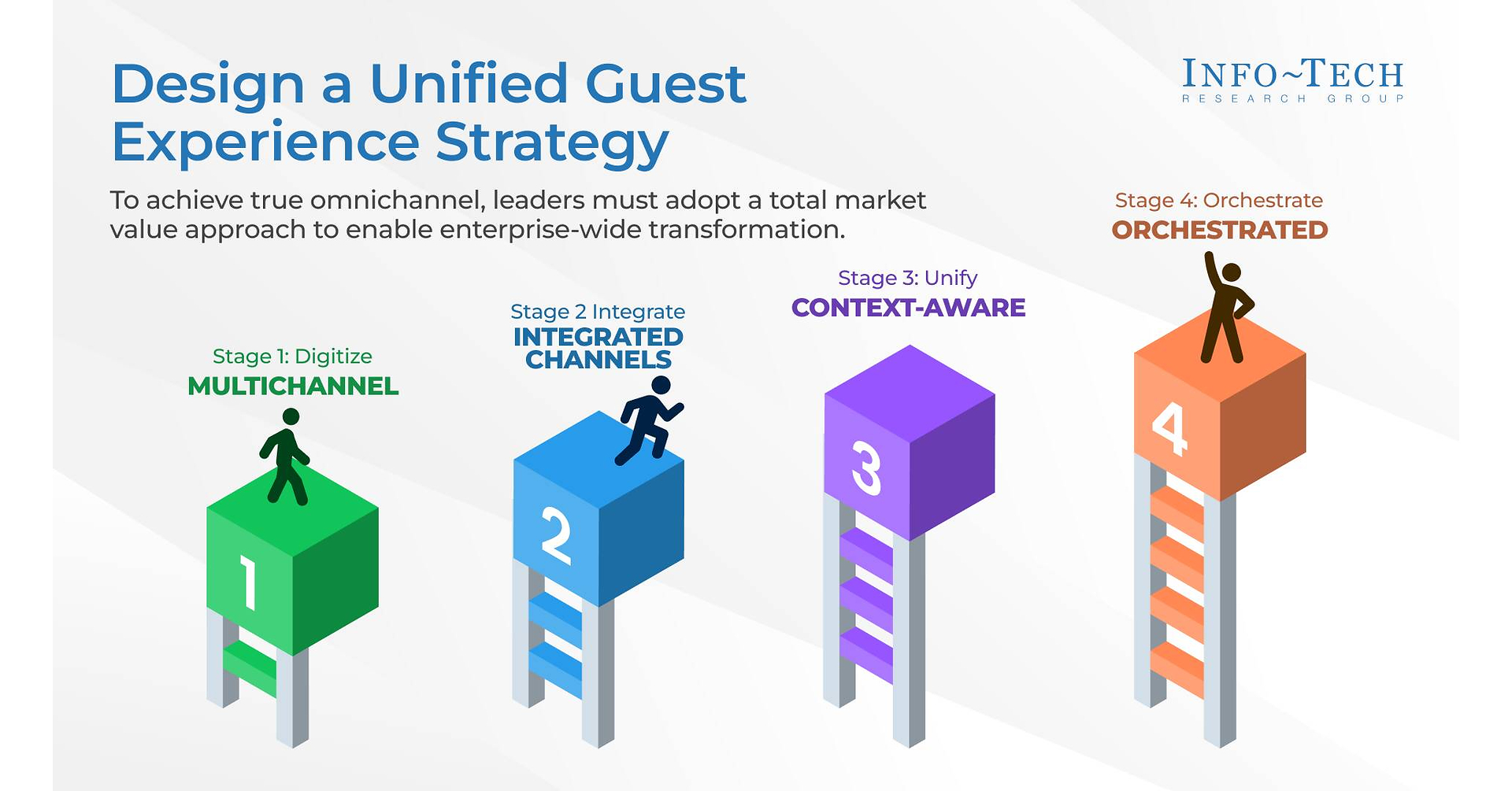
Info-Tech Research Group published a casino-industry blueprint outlining a four-stage path from disconnected multichannel systems to real-time, unified guest-experience orchestration. The framework targets fragmented identities across casino, hotel, loyalty, dining, point-of-sale, and digital platforms, with the aim of improving personalization, loyalty, and visibility into total guest value. The release is strategic advisory content rather than a material financial or operating update for a listed casino operator.
Analysis
This is not a near-term revenue signal for listed gaming operators; it is a useful indicator of where discretionary IT budgets will migrate over the next 12-24 months. The economic prize is not simply higher app engagement: unified identity lets operators reallocate offers toward total property spend, potentially reducing promotional leakage to low-margin gaming activity while improving hotel, food-and-beverage, and entertainment attachment. Operators with proprietary loyalty scale and cleaner data architecture should gain share versus regional peers reliant on point solutions and third-party integrations.
The more investable second-order beneficiary is the gaming-technology stack. IGT, Light & Wonder (LNW), and Everi (EVRI) have exposure to operator modernization budgets, but the value capture will depend on whether casinos choose interoperable data layers rather than replacing core casino-management systems. CRM, customer-data-platform, cloud-integration, and identity vendors could benefit, although casino-specific contract wins are too small relative to large-cap software revenue to justify a broad software trade.
Near term, modernization projects can pressure operator margins because integration expense, cybersecurity investment, and vendor implementation costs precede measurable marketing efficiency. For Caesars (CZR), MGM Resorts (MGM), and PENN Entertainment (PENN), the relevant catalyst is evidence in quarterly disclosures that digital and property loyalty databases are being consolidated and that promotional expense per incremental visitation is declining. A weak consumer backdrop would delay projects and make management teams prioritize capex restraint, while heightened data-privacy regulation or a material breach would increase implementation cost and reduce willingness to centralize guest data.
Consensus likely overstates the speed of monetization from personalization. Casino offers are already heavily optimized within individual channels; incremental upside requires cross-property data governance, real-time decisioning, and changes to host compensation and operating processes. This is therefore a multi-year execution differentiator, not a catalyst for the next earnings cycle.
AllMind Terminal
AI-powered research, real-time alerts, and portfolio analytics for institutional investors.
Request TrialMarket Sentiment
Overall Sentiment
neutral
Sentiment Score
0.12
Key Decisions for Investors
- No directional trade solely on this research release; treat it as a 12-24 month diligence theme rather than a near-term earnings catalyst.
- Watch MGM and CZR for 1-3 quarter evidence of lower promotional expense as a percentage of gaming and hotel revenue alongside stable visitation. If disclosed, favor a long MGM / short PENN pair: MGM has greater premium-property and non-gaming monetization potential, while PENN faces comparatively less room to offset implementation costs. Reassess if MGM promotional expense rises for two consecutive quarters without RevPAR or EBITDA uplift.
- Maintain LNW on an enterprise-modernization watch list for announced multi-property systems, loyalty, or data-platform contracts. Initiate only after contract size, implementation timing, and recurring software/service content are disclosed; absent those details, the news does not support a valuation-changing estimate revision.
- For CZR and PENN, monitor capex guidance and free-cash-flow conversion over the next two earnings reports. A material increase in technology spending without a corresponding reduction in customer-acquisition or promotional costs would be a margin-negative signal and supports avoiding incremental long exposure.
More News
- Here’s the ‘core economic flaw’ in the AI bull case as stock and bond trades unravel, according to a top economist
- Biotech stocks are surging. How investors can play the new drug innovation boom
- Instacart reportedly discussed selling itself with DoorDash and Uber
- Sudan’s soaring fuel prices make getting by harder for workers
- What next for France as riots rattle markets? Three questions facing investors ahead of more protests
- Ukraine says Starlink and Starshield high speed restrictions have been lifted
From AllMind Research
- Anthropic IPO Preview: Valuation, Timing, and What to Watch
- Shein After the IPO: Venue, Valuation, and What Must Be Proved
- What AI Research Tools Should a Small Hedge Fund Buy First?
- Document Search Enhancements, AI Enhancements, AI Actions, & Chat Export
- AI Vendor Landscape for Institutional Investment Teams