
Wells Fargo Faces HUD Lending Probe: A Setback for Regulatory Progress?
Source: zacks.com
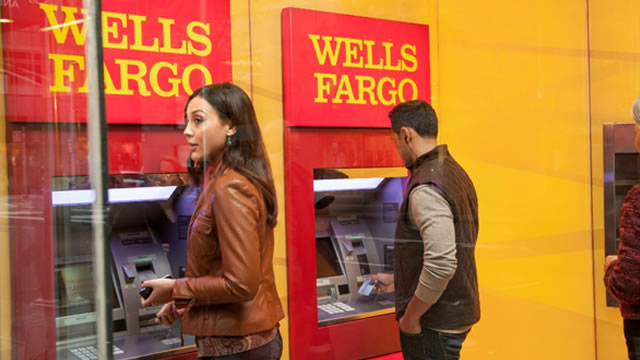
Wells Fargo shares fell 1.5% after reports that HUD plans to investigate the bank's compliance with fair-lending laws. HUD reportedly sent CEO Charlie Scharf a letter regarding allegations that the company favored Black and other minority homeowners; the article gives no details on the probe's scope or potential consequences.
Analysis
The key uncertainty is the alleged conduct’s direction and scope: the report’s wording does not establish whether HUD is examining preferential treatment, unequal access, or another fair-lending issue. Verify the letter and investigation scope before treating this as a quantified credit or earnings risk. In the near term, the 1.5% reaction may price headline risk; a probe alone does not establish liability or a material financial remedy. Over the next 1–3 months, the important catalysts are a confirmed formal inquiry, the practices and loan portfolios covered, and any indication of enforcement or required remediation. A firm-specific finding could raise legal and compliance costs and prompt tighter controls that reduce mortgage origination or slow approvals; that second-order effect could also pressure peers if HUD broadens scrutiny across lenders. Over 6–18 months, sustained remediation could constrain product access or raise operating costs, but the impact depends on scope and any remedy. The contrarian case is that the initial move may overstate near-term economic damage absent findings; conversely, a narrow headline could understate risk if the inquiry identifies systemic practices. No loss estimate or company-specific financial impact is established by the supplied report.
AllMind Terminal
AI-powered research, real-time alerts, and portfolio analytics for institutional investors.
Request TrialMarket Sentiment
Overall Sentiment
mildly negative
Sentiment Score
-0.35
Ticker Sentiment
Key Decisions for Investors
- Do not chase an outright WFC short solely on the reported probe. The near-term risk/reward is unclear until HUD confirms the allegations, scope, and process.
- Treat a formal finding, expanded inquiry, or required lending-practice changes as a catalyst to reassess WFC against diversified large-bank peers such as JPMorgan Chase and Bank of America; only consider a relative-value short then, with the position sized for a reversal if the inquiry closes without material action.
- Track WFC mortgage origination, approval mix, compliance/remediation disclosures, and management commentary over the next 1–3 months. A material operational or guidance change would strengthen the bearish thesis; no scope expansion and no disclosed business impact would weaken it.
- Verify the original HUD letter and the exact allegation before assigning a direction to the fair-lending claim. The current report is insufficient to infer discriminatory intent, liability, or a likely penalty.
More News
- Wall Street sees buying opportunity in banks as shares tank ahead of earnings
- Banks' Big Earnings Test, OpenAI Revenue Uncertainty & Crude Cools
- Visible Alpha Breakdown Of U.S. Banks' Q3 2026 Earnings Expectations
- What's behind the recovery rally in tech stocks — plus, Elon Musk's very good week
- Earnings season kicks into high gear as big banks report next week. Here's what's ahead
- Milos Maricic: listen for the AI number on next week’s bank calls