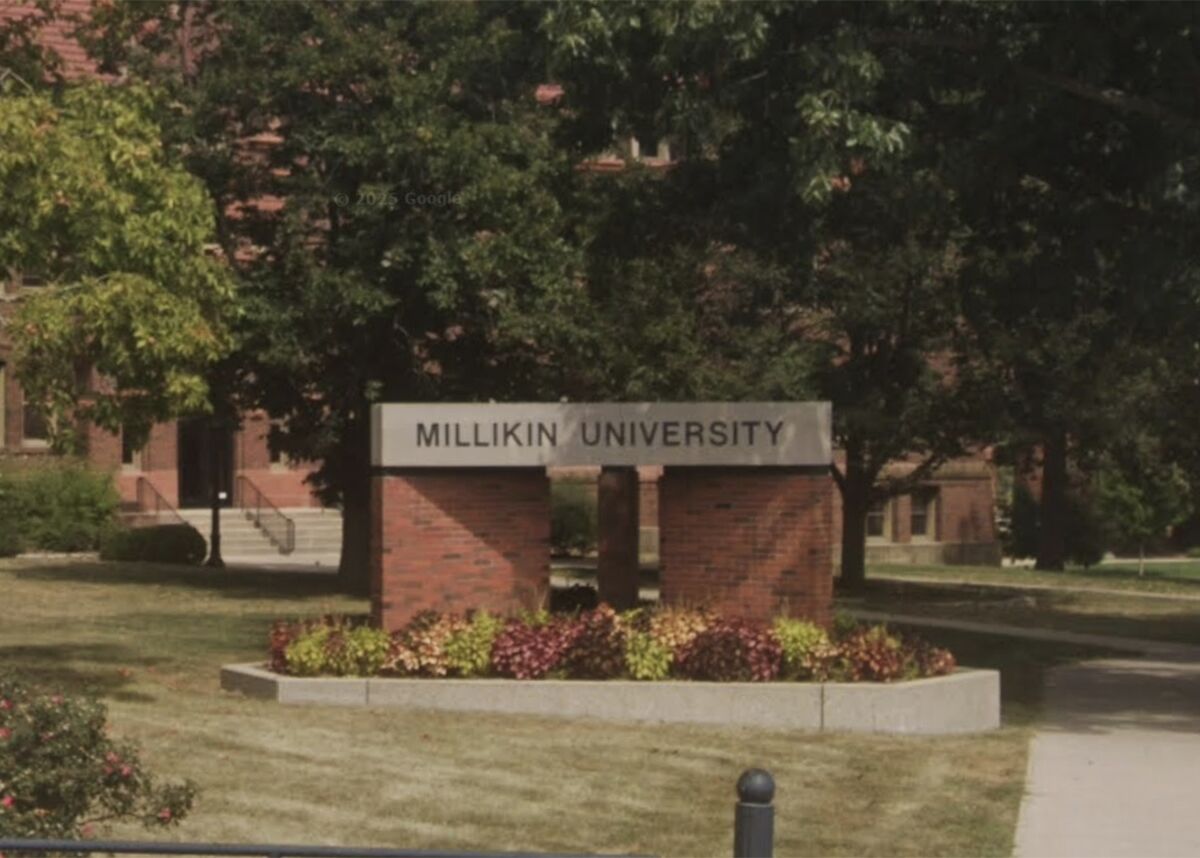
Millikin University is improving its delayed $49 million bond deal by adding investor protections tied to the 600-bed student apartment complex, the Woods at Millikin. The college cited declining enrollment and boosted bond terms to strengthen investor rights over the added asset, which is a modestly supportive development for the deal’s credit profile.
The key signal is not the extra collateral itself, but that a small, enrollment-challenged school had to re-engineer creditor protections to get financing done. That usually means the unsecured story is too fragile for the market, so the real transfer is from equity/optional assets to debt holders: better recovery, worse residual value, and a higher probability that future cash flow gets trapped behind debt service rather than reinvestment.
For the broader higher-ed universe, this is a template risk. Other private colleges with shrinking cohorts may be pushed toward asset pledges, leasebacks, or restricted-use structures to clear the market, which can keep nominal borrowing alive while quietly raising effective funding costs. That dynamic tends to widen spreads for the weakest credits first, then force lenders to discriminate harder between schools with sticky enrollment and those relying on price cuts to fill beds.
The second-order winner is whatever sits on the opposite side of distress: bondholders already in the paper, and potentially distressed-credit specialists who can underwrite hard assets versus going-concern value. The loser is any lender assuming campus real estate is a clean source of liquidity; once a dorm is ring-fenced, it reduces optionality for refinancing and can accelerate covenant pressure if enrollment deteriorates again over the next 12-24 months.
AI-powered research, real-time alerts, and portfolio analytics for institutional investors.
Overall Sentiment
neutral
Sentiment Score
0.05
Ticker Sentiment
