
Disruption in Innovation: Steve Rader Breaks the In-House Expert Habit
Source: PR Newswire
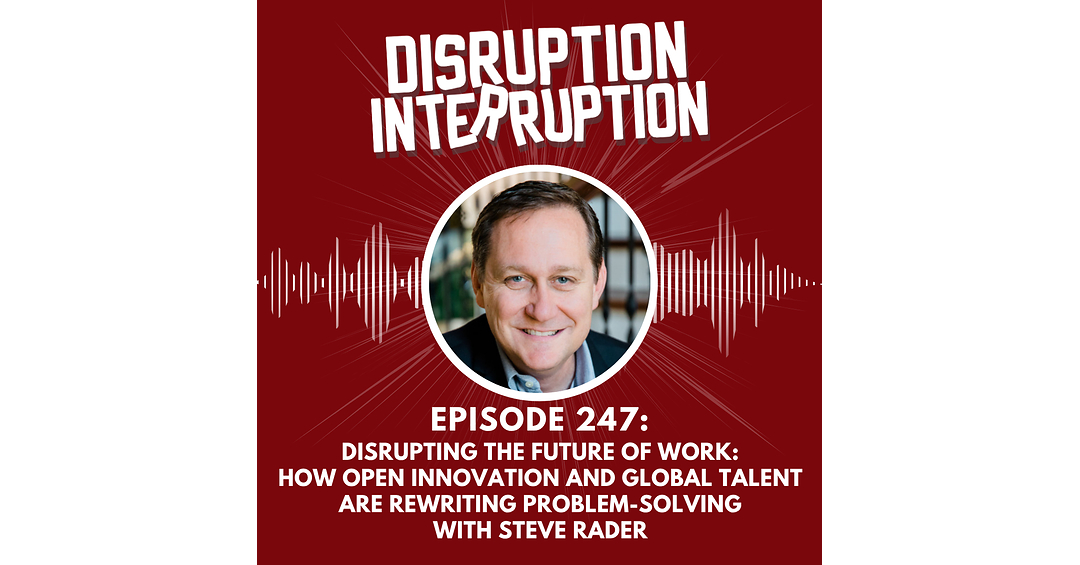
A podcast featuring former NASA open-innovation leader Steve Rader argues that skills gaps—cited by 63% of employers as a barrier to transformation—and the expected disruption of 39% of worker skills by 2030 are limiting the traditional in-house expert model. Rader advocates using expert networks, freelancers and crowdsourcing to access specialized AI, cybersecurity and other technical capabilities; Upwork research cited says 49% of full-time workers use freelancers for critical work gaps and 48% of CEOs expect to increase freelance hiring. The item is thought-leadership content rather than a company-specific financial development.
Analysis
This is not a near-term fundamental catalyst for UPWK; it is promotional commentary using survey data rather than evidence of incremental platform demand, take-rate improvement, or enterprise contract wins. The investable mechanism is nevertheless directionally supportive: AI-driven specialization increases the cost of maintaining fixed internal headcount, which can shift spend toward variable external labor. UPWK has greater operating leverage to that shift than broad staffing firms because incremental marketplace volume can scale faster than sales-and-service expense—but only if higher-value technical work offsets persistent client-acquisition costs.
The more important competitive dynamic is that AI simultaneously expands freelance demand and commoditizes portions of freelance output. UPWK benefits if customers use its marketplace to source scarce cybersecurity, data engineering, AI integration, and workflow-automation talent; it loses if AI agents reduce the number of billable hours required for commoditized writing, design, and basic coding faster than premium categories grow. Fiverr (FVRR) is likely more exposed to the latter because of its greater small-ticket, transactional mix, while consulting and staffing incumbents—ACN, RHI, MAN—face slower but potentially more durable margin pressure if enterprise clients structurally replace project teams with curated external specialists.
For the next 1-3 months, the relevant catalyst is evidence in UPWK's quarterly results that enterprise GSV, AI-related job postings, client retention, and take rate are improving without a renewed increase in sales and marketing. Over 6-18 months, a sustained shift toward outcome-based expert engagements could justify multiple expansion, but the thesis is falsified if GSV growth remains below low-teens levels, active-client monetization declines, or AI-related productivity causes total marketplace hours to contract. Consensus may be too focused on AI as a labor-displacement threat; the higher-value question is whether AI raises the frequency of specialized implementation projects before it eliminates them.
AllMind Terminal
AI-powered research, real-time alerts, and portfolio analytics for institutional investors.
Request TrialMarket Sentiment
Overall Sentiment
mildly positive
Sentiment Score
0.20
Ticker Sentiment
Key Decisions for Investors
- No immediate trade on this release; treat it as a thematic watch item rather than a company-specific catalyst. Require next earnings evidence of accelerating enterprise GSV and stable-or-higher take rate before adding risk.
- Initiate a small 6-12 month long UPWK / short FVRR pair only if UPWK confirms premium technical-category growth and FVRR does not show comparable buyer monetization improvement. Thesis: UPWK's enterprise mix should better absorb AI-driven commoditization; exit if UPWK's GSV growth underperforms FVRR for two consecutive quarters.
- Monitor ACN, RHI, and MAN for commentary on utilization, contract duration, and project staffing mix. A broad decline in billable utilization alongside rising external-talent procurement would support a structural short/underweight in traditional labor intermediaries, but current article evidence is insufficient to establish a position.
- For UPWK, use post-earnings guidance as the timing catalyst: add only if management guides to improving revenue growth with expanding adjusted EBITDA margin. Avoid chasing a sentiment-driven move absent disclosed AI-category revenue, GSV, or enterprise-client metrics.
More News
- Australia’s central bank chief warns inflation risks materialising
- This AI-picked stock jumps 18% on Amazon’s $8 billion power deal
- Asian stocks rise as oil retreat eases inflation fears, BOJ in focus
- US to Sell F-35s to Saudi Arabia in $24.3 Billion Deal
- California AG Bonta on Paramount-Warner Bros., Meta and AI
- A breakout in the 10-year Treasury yield could hold back stocks if it reaches this level