
In HelloNation, Roofing Expert Jeremiah Lightsey Outlines Why a Storm Damage Roof Inspection Is Essential After Severe Weather
Source: PR Newswire
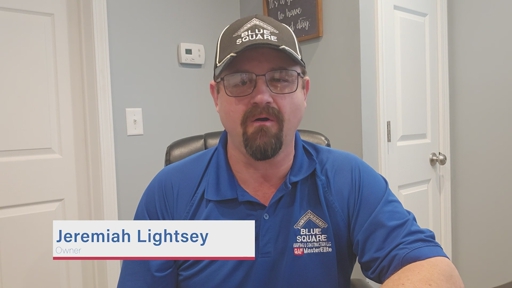
HelloNation highlights post-storm roof inspections for Boaz, Alabama homeowners following severe thunderstorms that can bring quarter-sized hail and sustained wind gusts above 50 mph. The article says prompt professional documentation of wind, hail, flashing, gutter, soffit and ventilation damage can support insurance claims and prevent hidden damage from escalating into costly repairs. The content is educational sponsored-media material and contains no company-specific financial development or market-moving event.
Analysis
This is not an investable company-specific signal; it is promotional local content with no verified storm-loss estimate, insured-loss data, or evidence of an abnormal claims cycle. The relevant market mechanism is event-driven claims severity: hail and wind can shift demand from minor repair toward full replacement when adjusters accept functional damage, lifting volume for roofing distributors and contractors but pressuring personal-lines loss ratios. Without NOAA storm-track confirmation and carrier exposure maps, the signal is insufficient to alter positions.
For the next 1-3 months, monitor Alabama severe-weather reports and state-level claims filings rather than extrapolating from inspection activity. If a meaningful hail event is independently confirmed, Beacon Roofing Supply (BECN), Owens Corning (OC), and Home Depot (HD) are cleaner revenue beneficiaries than small local installers: replacement activity pulls through shingles, underlayment, gutters and tools, though BECN has the most direct repair-cycle sensitivity. Allstate (ALL), Travelers (TRV), Chubb (CB), and Progressive (PGR) face differing exposure based on homeowners-market share and reinsurance structure; loss recognition may lag weather events by one to two quarters.
The contrarian point is that inspection volume does not equal replacement demand. Higher deductibles, tighter carrier underwriting, disputed causation, and homeowners electing patch repairs can cap conversion, while widespread local contractor mobilization can inflate labor costs and partially offset distributor volume gains. A durable insurance read requires evidence of adverse development or catastrophe-loss guidance, not anecdotal storm documentation.
AllMind Terminal
AI-powered research, real-time alerts, and portfolio analytics for institutional investors.
Request TrialMarket Sentiment
Overall Sentiment
neutral
Sentiment Score
0.05
Key Decisions for Investors
- No immediate trade: treat this as a weather/claims-monitoring alert, not a catalyst; require NOAA-confirmed hail footprint plus carrier or state claims-volume data before adding exposure.
- If verified regional insured losses exceed normal seasonal levels, initiate a 1-3 month tactical long BECN versus short XHB: BECN offers more direct replacement-material exposure, while XHB carries broader housing-rate sensitivity. Exit if distributor channel checks show repair rather than replacement demand or if BECN fails to raise volume guidance.
- Maintain a watchlist on ALL and TRV into the next earnings cycle; consider downside hedges only after catastrophe-loss disclosures or reserve commentary exceeds consensus. The falsifier is favorable reinsurance recoveries and stable combined-ratio guidance despite elevated storm activity.
- For a 6-18 month structural theme, favor OC over generic building-products exposure only if recurring severe-weather activity translates into shingle-price realization and repair-driven volume growth; avoid chasing a weather premium absent evidence in quarterly roofing volumes and margins.
More News
- The Zombie Office Apocalypse
- Warren Buffett’s last lesson as chair: Culture and capital require different guardians
- Dow opens 407 pts higher as oil, yields ease ahead of Trump‑Xi summit
- Global grain markets tighten as corn deficit reaches 33-year high
- Typhoon Dujuan hits Japan with deadly floods, travel chaos near Tokyo
- Raymond James reiterates Lennar stock rating citing mortgage rates