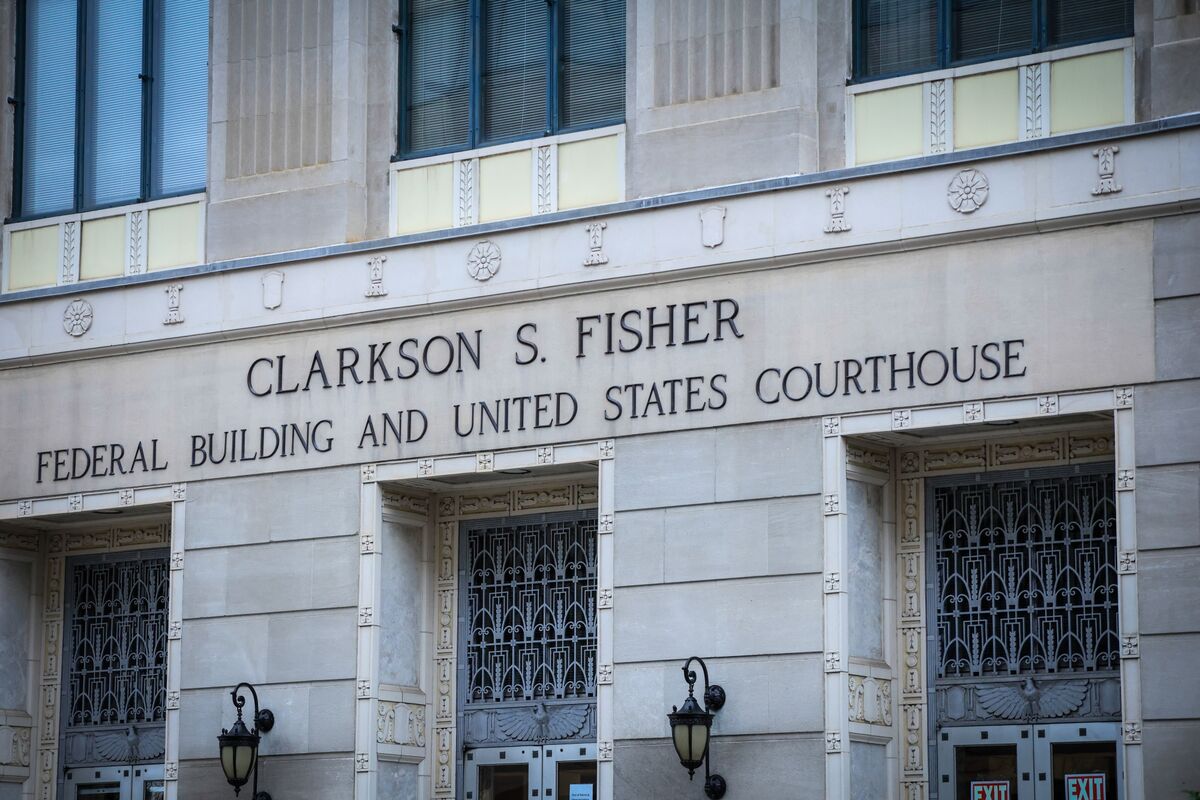
US prosecutors dropped a $300 million fraud indictment against former Prophecy Asset Management executive Jeffrey Spotts, ending a case that implicated Brian Kahn and hedge fund investor fraud allegations. Kahn and former Prophecy executive John Hughes had already pleaded guilty and were expected to testify against Spotts. The dismissal removes a significant legal overhang, but the article is primarily a litigation update rather than a broad market catalyst.
Dropping the indictment reduces one visible endpoint, but it does not cleanse the underlying ecosystem risk: the real damage is to the enforcement premium embedded in private-fund allocation decisions. LPs are likely to respond by demanding tighter key-person, clawback, and side-letter protections across the broader sponsor universe, which raises fundraising friction for smaller or governance-light managers even if they were never implicated. In practice, that means capital should continue to migrate toward larger, more institutionalized platforms where legal complexity is better underwritten and operational controls are more credible.
The second-order winner is not the accused individual; it is counterparties that can absorb the reputational spillover with little balance-sheet damage, while the losers are adjacent firms competing for the same high-net-worth and advisory channels. Expect a short-term chill in capital formation for “special situations” and hedge-fund-adjacent private-credit products, because allocators will conflate legal noise with process risk over the next 1-3 quarters. This also strengthens the case for fintech/compliance vendors that sell monitoring, surveillance, and workflow automation to asset managers, since board and investor scrutiny tends to monetize into budget expansion after a headline risk event.
The contrarian angle is that a dismissal can be read as evidence the government has less of a broader case than the market assumed, which may limit the contagion beyond a narrow group of individuals. If so, the selloff in trust toward the sector could be overdone and fade within weeks, especially if no new names are added. But the deeper takeaway is that litigation uncertainty itself becomes a funding cost: even a non-conviction can slow capital raises, lengthen diligence, and increase fee pressure for months.
AI-powered research, real-time alerts, and portfolio analytics for institutional investors.
Request TrialOverall Sentiment
moderately negative
Sentiment Score
-0.35
