
Carl's Jr.® desata la Revolución de la Hamburguesa con hamburguesas preparadas al momento y su primera oferta por tiempo limitado estrella "Angus Maximus"
Source: PR Newswire
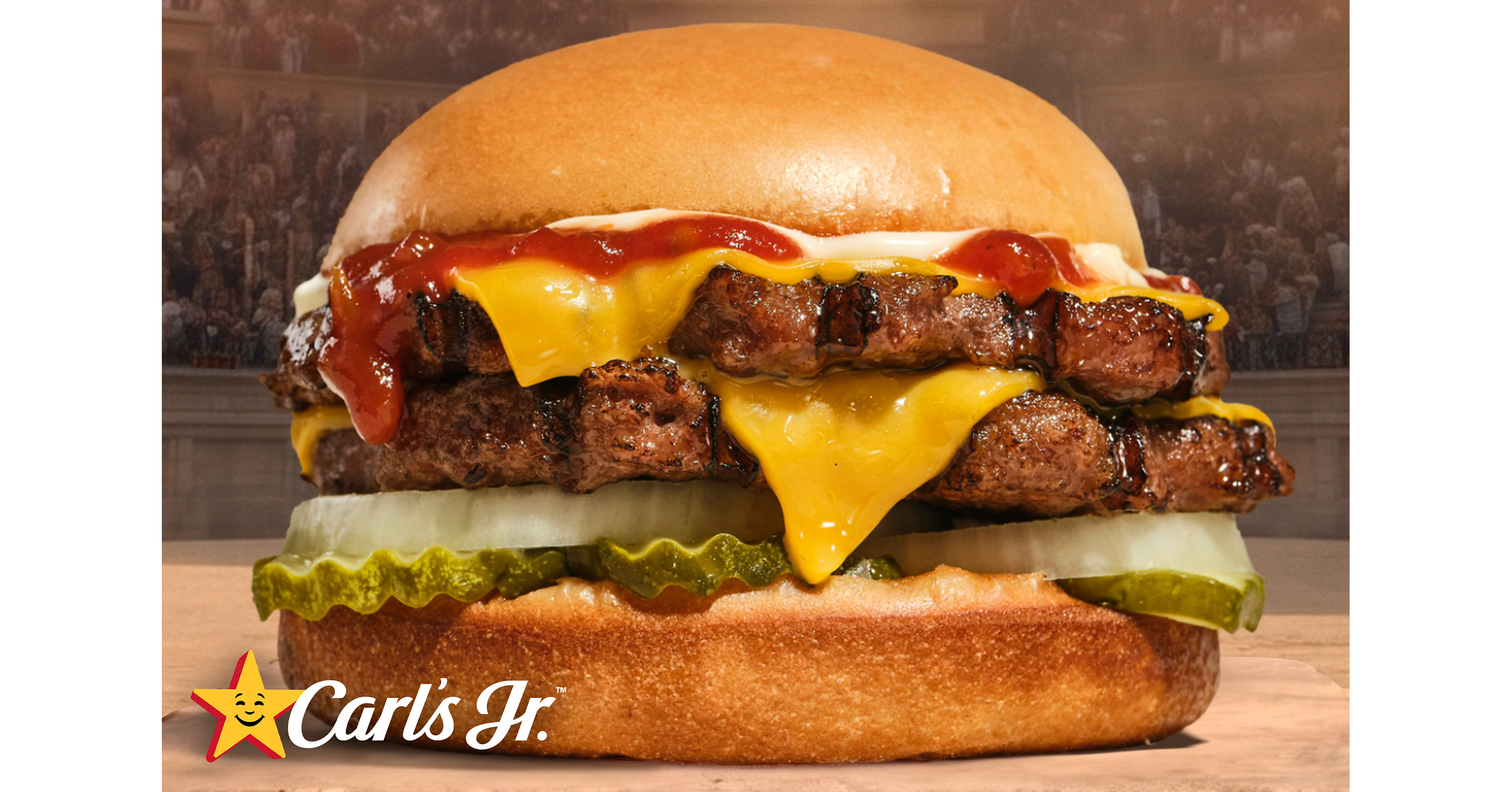
Carl's Jr. launched the Angus Maximus, a limited-time double 100% Angus burger priced at $5.99 through October 27, as the first offer under its chainwide made-to-order “Burger Revolution” standard. The 5.7-ounce burger is marketed at $1.05 per ounce, while new My Rewards members can receive one free with any purchase. The initiative aims to improve perceived freshness, quality and value across the more than 1,000 Carl's Jr. U.S. restaurants, but is unlikely to have material public-market impact given CKE Restaurants is privately held.
Analysis
This is primarily an execution test, not a sector-level demand signal. Made-to-order preparation can lift perceived quality and repeat frequency, but it also raises labor minutes per order, throughput risk at peak periods, and franchisee wage exposure; any traffic gain that does not offset those costs would pressure unit-level restaurant margins. The introductory price/value positioning also creates a risk that the promotion trains customers toward discount-led visits rather than expands check sustainably.
The most relevant public read-through is competitive rather than direct, since CKE is private. QSR and JACK have greater value-menu exposure and could face localized share pressure in Western/Southwestern burger markets if Carl's Jr. gains traffic, while MCD's scale and digital ecosystem make it less vulnerable. A broader shift toward freshly prepared premium burgers would favor beef-input demand modestly, but the likely effect is immaterial for TSN and CARG absent evidence of a chainwide mix shift.
Over the next 1-3 months, app-download and loyalty enrollment conversion are the only potentially meaningful indicators: a free-item acquisition campaign is valuable only if second-visit rates and non-discounted attach rates rise after the offer ends. The contrarian view is that the operational change may be margin-dilutive in a labor-constrained environment, particularly if franchisees reduce staffing or order capacity to protect profitability. Watch for menu-price actions, franchisee commentary, and evidence of longer service times; those would falsify the quality-led traffic thesis.
AllMind Terminal
AI-powered research, real-time alerts, and portfolio analytics for institutional investors.
Request TrialMarket Sentiment
Overall Sentiment
mildly positive
Sentiment Score
0.28
Key Decisions for Investors
- No standalone trade: CKE is private and the announcement provides no independently verifiable traffic, restaurant-margin, or franchisee economics data.
- Set a 1-3 month competitive watch on QSR and JACK: monitor U.S. same-store sales, guest-count commentary, discounting intensity, and delivery/drive-thru service metrics in upcoming earnings. Consider relative longs only if either reports traffic resilience without incremental promotional spend.
- For public restaurant exposure, favor MCD over lower-scale burger peers on any evidence that made-to-order initiatives are increasing labor or throughput costs across the category; MCD's labor productivity and digital ordering should better absorb service-model inflation. Reassess if MCD reports material value-menu margin pressure or U.S. guest counts decelerate.
- Alert on wholesale beef inflation: a sustained 10%+ move in cattle/beef benchmarks without corresponding menu-price increases would be a negative margin read-through for QSR, JACK, and MCD, though this individual launch is not sufficient to establish that demand impulse.
More News
- Here’s the ‘core economic flaw’ in the AI bull case as stock and bond trades unravel, according to a top economist
- Braskem creditors, shareholders near deal on $11bn debt restructuring
- Instacart reportedly discussed selling itself with DoorDash and Uber
- Sudan’s soaring fuel prices make getting by harder for workers
- Nvidia's role as AI financier faces first big test as neoclouds take market hit
- What next for France as riots rattle markets? Three questions facing investors ahead of more protests