
Huawei Grid-Interactive AIDC Solution: Shaping the New Paradigm of AI Infrastructure
Source: PR Newswire
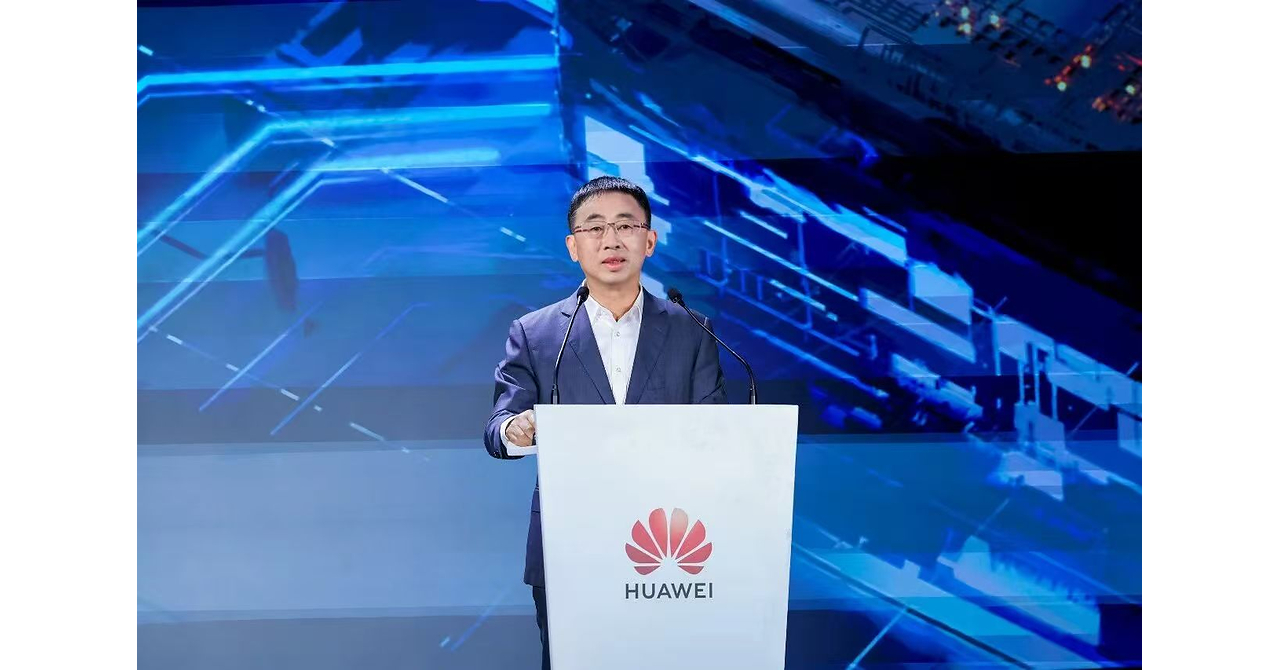
Huawei unveiled its grid-interactive AIDC 1.0 solution at HUAWEI CONNECT 2026, combining grid-friendly UPS systems, intelligent lithium batteries, grid-forming energy storage and AI-powered liquid cooling for AI data centers. The company positions the system around maximizing tokens per watt and reducing cost per token, while helping data centers absorb AI workload-driven power fluctuations and support renewable-heavy grids. SenseTime said its end-to-end optimization has improved tokens per watt by 80%, underscoring the industry's shift from PUE-based data-center efficiency metrics toward AI-output efficiency.
Analysis
The relevant equity read-through is modest for VNET: grid-interactive power architecture can reduce the amount of contracted peak capacity and standby generation required per deployed AI MW, potentially improving campus-level returns where utility interconnection—not server demand—is the binding constraint. The economic value is highest in power-constrained Chinese metros; however, the benefit will accrue only if VNET can translate lower curtailment, outage risk, and energy-storage capex into faster AI capacity turn-up rather than simply lower pricing to cloud customers.
This is more strategically favorable to Chinese AI-data-center operators such as VNET and GDS than to conventional colocation providers, because AI load volatility raises both grid-connection and power-quality costs disproportionately at high rack densities. Huawei's integrated power, storage, and liquid-cooling stack could also compress the addressable market for standalone UPS, thermal-management, and facility-integration vendors, but vendor lock-in may shift bargaining power away from operators over the next 6-18 months. The stated efficiency gains remain vendor/customer claims rather than evidence of VNET revenue, utilization, or EBITDA uplift.
Near term, this is not a standalone catalyst: VNET valuation will remain driven by AI capacity leasing, funding costs, and evidence that new capacity is pre-committed. The more actionable 1-3 month watch item is any disclosure of AI-MW commissioned, contracted utilization, power cost per kWh, or customer deposits tied to Huawei-enabled campuses. Thesis fails if VNET's AI deployment continues to require incremental equity/debt without a corresponding rise in utilization or if Chinese power regulators limit behind-the-meter storage and direct renewable-power arrangements.
AllMind Terminal
AI-powered research, real-time alerts, and portfolio analytics for institutional investors.
Request TrialMarket Sentiment
Overall Sentiment
mildly positive
Sentiment Score
0.38
Ticker Sentiment
Key Decisions for Investors
- Maintain VNET on a catalyst watchlist rather than initiate on this announcement alone; upgrade only if the next earnings release shows contracted AI capacity growth and stable or improving adjusted EBITDA per MW. A credible deployment disclosure could support a 10-15% relative rerating versus Chinese data-center peer GDS over 1-3 months; absent it, financing dilution remains the dominant risk.
- For existing VNET exposure, use GDS as a relative-value hedge: long VNET / short GDS is appropriate only if VNET discloses Huawei-enabled AI capacity with signed customer commitments, as VNET would then have a differentiated power-availability pathway. Exit if VNET's net leverage rises without matching booked utilization, or if the relative spread moves 15% against entry.
- Monitor Chinese grid-storage policy, direct green-power procurement approvals, and AI-data-center interconnection timelines over the next 6-12 months. These are the gating variables for monetization; without regulatory permission to operate storage and demand response economically, the technology is primarily a reliability feature rather than a material margin catalyst.
More News
- Huawei netinteractieve AIDC-oplossing: Het nieuwe paradigma van AI-infrastructuur vormgeven
- Soluzione Grid-Interactive AIDC di Huawei: plasmare il nuovo paradigma delle infrastrutture per l'IA
- Sieťové interaktívne riešenie AIDC od Huawei: formovanie novej paradigmy infraštruktúry umelej inteligencie
- Huawei Şebeke Etkileşimli AIDC Çözümü: Yapay Zeka Altyapısının Yeni Paradigmasını Şekillendiriyor
- Řešení AIDC společnosti Huawei pro interakci s rozvodnou sítí: vytváření nového paradigmatu infrastruktury umělé inteligence
- Grid-Interactive-AIDC-Lösung von Huawei: das neue Paradigma der KI-Infrastruktur gestalten