
Capitainer Initiates Clinical Sampling for HbA1c FDA 510(k) Study
Source: PR Newswire
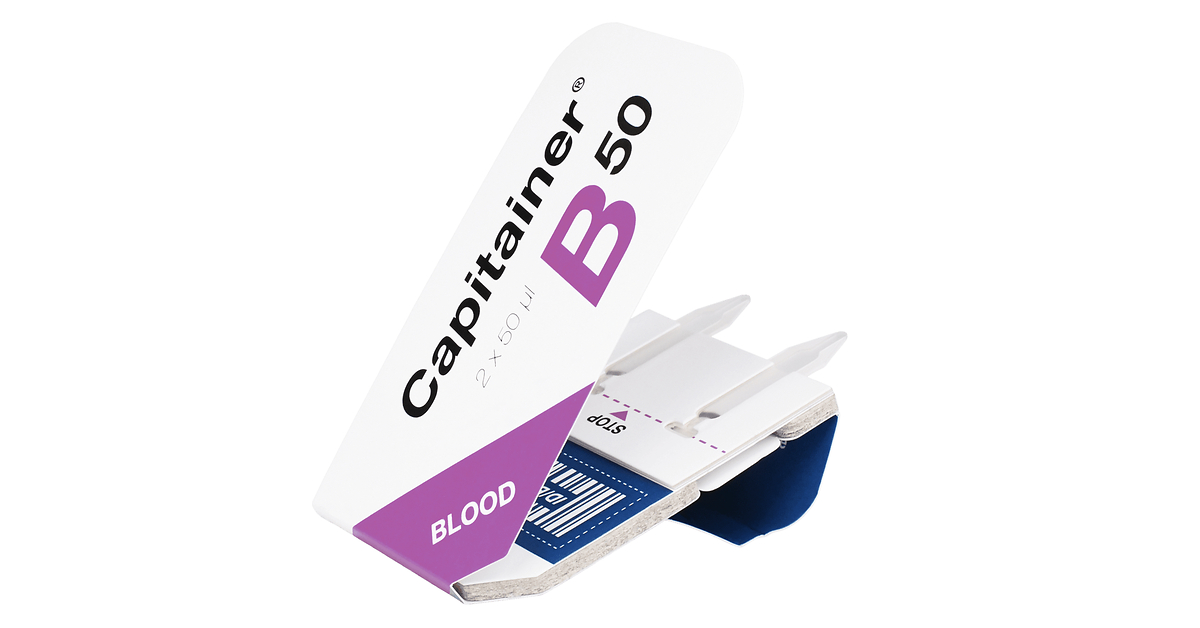
Capitainer collected the first clinical sample in a study of its B50 device for HbA1c testing, supporting a planned FDA 510(k) submission. The study is expected to include at least 120 participants and compare self-sampled and assisted capillary samples with conventional venous samples; data collection is expected to finish in November 2026. The HbA1c application remains under investigation and has not received FDA clearance.
Analysis
The investable question is not whether microsampling is promising, but whether it creates incremental HbA1c testing or merely shifts existing tests from venous draws to mailed samples. If the former, decentralized collection could expand access and send more testing volume to laboratory networks; if the latter, it may change collection logistics without growing the addressable market. Either outcome depends on analytical agreement, usable-sample rates, clinician acceptance, reimbursement, and a workable lab workflow—not the collection milestone alone.
The near-term catalyst is completion of data collection, expected in November, followed by results and any 510(k) submission. FDA clearance and commercial adoption remain separate, later gates. A 120-participant study may establish a case for review, but should not be treated as evidence of broad real-world performance. Watch for concordance versus venous samples, failed or repeat collections, and whether the protocol supports self-collection specifically.
Roche’s instrumentation is used by the study labs, but that does not establish a commercial relationship or meaningful incremental instrument demand; this is not a basis for a Roche position. The contrarian risk is that investors overvalue convenience while underweighting reimbursement and workflow friction. Conversely, a credible self-sampling result could matter beyond HbA1c if the platform is validated for additional tests, though that is a longer-dated possibility, not demonstrated by this study.
AllMind Terminal
AI-powered research, real-time alerts, and portfolio analytics for institutional investors.
Request TrialMarket Sentiment
Overall Sentiment
mildly positive
Sentiment Score
0.25
Key Decisions for Investors
- No trade in Roche on this announcement: the disclosed study use of its instruments is not evidence of material revenue or a commercial agreement.
- Treat the November data readout as a watch catalyst. Reassess only after verifying venous-sample concordance, self-collection performance, sample failure/repeat rates, and whether results are independently reported.
- For any future exposure to decentralized diagnostics, distinguish market expansion from substitution of existing venous testing; seek evidence on reimbursement, lab economics, and provider adoption before underwriting revenue.
- Falsifiers: weak agreement with venous HbA1c results, material self-collection failures, a larger-than-expected FDA evidence requirement, or delay/non-submission after data collection.
More News
- Truist raises Zymeworks stock price target on pipeline progress
- SK Hynix Posts Record Profit Amid AI Rush
- SK Hynix third-quarter profit sharply beats estimates on AI memory boost
- Anthropic's IPO could be 'speculative fiction' or a 'generational moment' — investors are split
- Anthropic IPO Seeks Investors, With Risks of Catastrophe, Rogue AI
- Anthropic Gives Traders a Pure-Play Bet on Frontier AI