
AltaPointe's Behavioral Health Crisis Center Surpasses $101 million in community savings
Source: PR Newswire
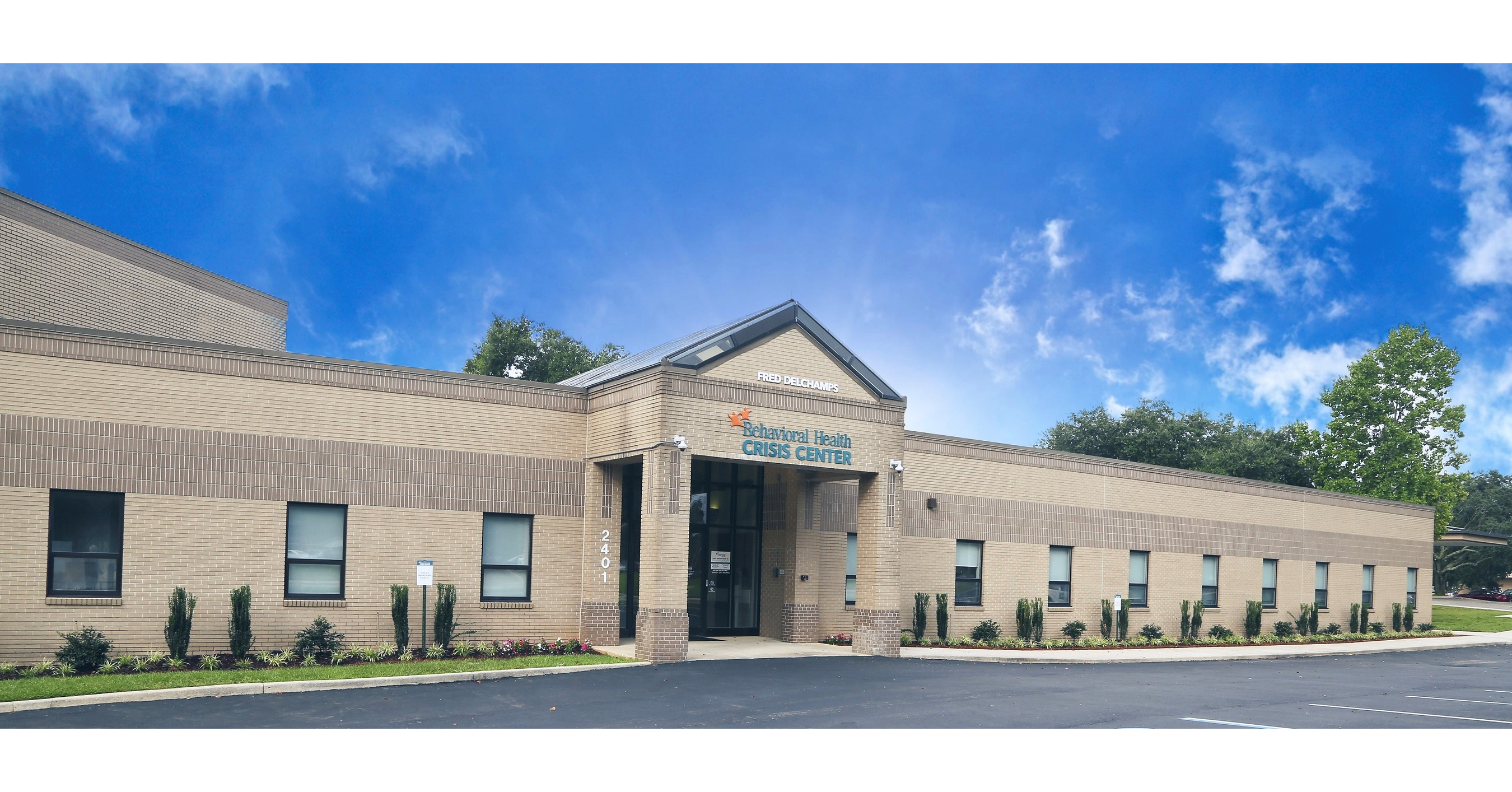
AltaPointe Health said its Behavioral Health Crisis Center has generated an estimated $101.5M in community cost savings since opening in May 2021. The center has diverted 4,100+ people from inpatient psychiatric hospitalization, 2,768+ from arrest, and 4,800+ from ambulance transport, while helping prevent 3,000+ suicides and 2,853+ overdoses. The news is a positive operational milestone but is unlikely to move broader markets.
Analysis
This is directionally bullish for the community-based behavioral health model, but the public-market translation is weak unless the savings program is being monetized through Medicaid contracts or state appropriations. The main mechanism is substitution: every patient routed away from an ED, ambulance, or inpatient psych bed reduces utilization revenue for acute-care operators while improving throughput and staffing efficiency for the rest of the system. That makes the local hospitals and psych-bed operators the subtle losers, not because of immediate revenue loss from one center, but because replicated crisis diversion can erode high-margin involuntary/boarding volumes over time.
The bigger second-order effect is policy: once a county can point to audited savings, it strengthens the case for reimbursable crisis stabilization units, mobile crisis, and 988-adjacent infrastructure. Over 1-3 months, that matters mainly as a grant/funding catalyst; over 6-18 months, it could support a broader shift from fee-for-service acute care toward capitated behavioral health, which is more favorable for managed care and integrated outpatient platforms than for standalone inpatient psych capacity.
Contrarian view: the market should discount the headline savings number heavily because it is an avoided-cost estimate, not a P&L item. The real test is whether this changes utilization curves, payer mix, and reimbursement rates in a way that moves EBITDA for public comps. If ED boarding, psych occupancy, or involuntary commitment volumes do not decline in the local system, this stays a policy datapoint rather than an investable signal.
AllMind Terminal
AI-powered research, real-time alerts, and portfolio analytics for institutional investors.
Request TrialMarket Sentiment
Overall Sentiment
mildly positive
Sentiment Score
0.25
Key Decisions for Investors
- No immediate trade: the signal is too localized to underwrite a position in ACHC, UHS, or managed-care names without evidence of replication across multiple counties/states.
- Set a policy watch item on Alabama Medicaid / behavioral-health waiver activity; if crisis-center reimbursement expands, reconsider a long MOH/CNC vs short UHS relative-value trade over the next 3-6 months.
- Monitor UHS and ACHC for any commentary on psych bed occupancy, involuntary commitment mix, or ED boarding pressure in upcoming earnings; a sustained downtrend would be the first falsifier for inpatient exposure.
- If similar crisis-center announcements emerge from 3+ states with funding attached, consider a basket short of acute-care volume beneficiaries (UHS, HCA) paired with long community/outpatient behavioral-health exposure.
- Do not use this as a catalyst for options positioning today; wait for hard utilization data or reimbursement changes before paying up for convexity.
More News
- Palantir patient data tech rejected by many NHS trusts in England
- Why did CoreWeave stock get crushed this week? Look to this corner of the debt market for clues
- Diageo's Toxic Spill Hits Pristine River in Scottish Whisky Country
- AI stock sell-off ramps up over debt-fueled data center spending fears: ‘Full-blown crisis of confidence'
- Apple’s $1,999 iPhone Duo puts the company's status-symbol power to the test
- Yields continue to rattle investors. These sectors are most at risk if rates stay elevated