
Matchi Launches Cafe-Quality Protein Matcha Lattes--Ceremonial-Grade Matcha Meets Complete Protein
Source: PR Newswire
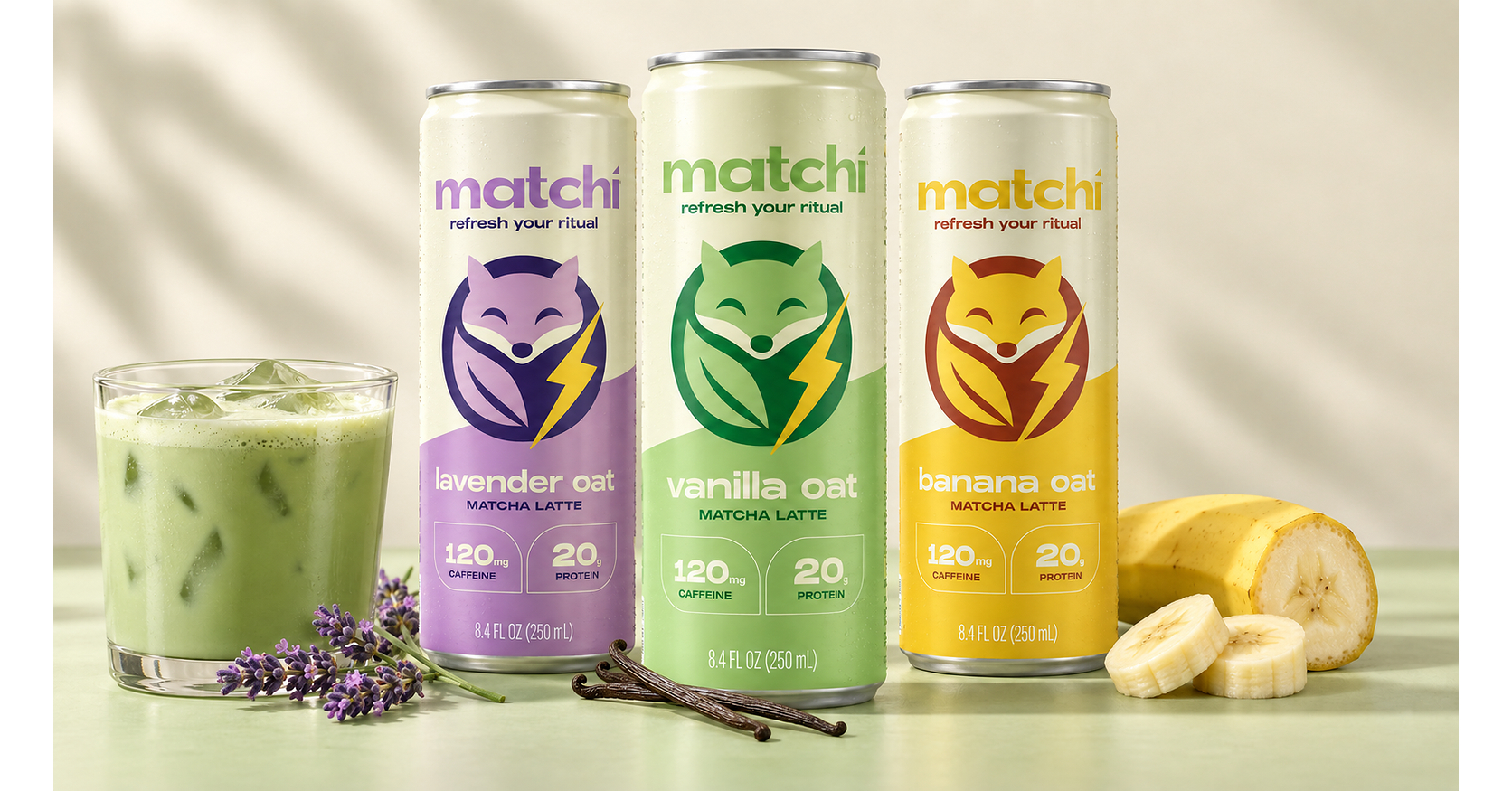
Matchi Global launched pre-orders for canned protein matcha lattes containing 20 grams of complete milk protein, 4 grams of prebiotic fiber and approximately 120 mg of caffeine per 8.4 oz can, with fulfillment beginning in December 2026. The DTC-first brand is targeting the gap between the $8.1 billion U.S. high-protein shake category and a U.S. matcha market projected to grow from $478.8 million in 2024 to $762.6 million by 2030. Retail expansion is planned after an initial online ramp, beginning with a Washington, D.C. activation in spring 2027.
Analysis
This is not investable as a standalone event: Matchi is private, pre-revenue, and its DTC launch provides no independently verifiable evidence of repeat purchase, gross margin, or retail velocity. The relevant public-market signal is that functional beverage whitespace remains attractive, but the category’s economics are unforgiving: customer-acquisition costs, refrigerated-versus-ambient trade-offs, and promotional allowances typically determine whether premium products can scale beyond early adopters. Until subscription retention and contribution margin are disclosed, this should not alter estimates for public beverage names.
The more relevant competitive read-through is modestly negative at the margin for small premium RTD entrants rather than scaled incumbents. BellRing Brands (BRBR), Coca-Cola’s Fairlife platform (KO), and Celsius (CELH) have distribution, shelf-set, and procurement advantages that a DTC entrant will eventually need to access; a successful matcha-protein format would more likely become an acquisition or line-extension template than a material share threat. Starbucks (SBUX) has the clearest strategic adjacency through matcha-led traffic, but canned functionality is unlikely to affect consolidated results absent broad retail adoption.
Over the next 1-3 months, pre-order conversion, fulfillment quality, and reorder rates are the only useful catalysts; social engagement and press coverage are weak proxies. Over 6-18 months, the key constraint could be input volatility and supply assurance for high-grade matcha, which can pressure gross margins precisely when brands are attempting retail expansion. The consensus error would be extrapolating category-growth statistics into company-level success: taste masking, caffeine positioning, and protein texture create a narrow consumer target, while premium pricing limits frequency in a crowded functional-drink aisle.
AllMind Terminal
AI-powered research, real-time alerts, and portfolio analytics for institutional investors.
Request TrialMarket Sentiment
Overall Sentiment
mildly positive
Sentiment Score
0.30
Key Decisions for Investors
- No direct position: treat Matchi as a private-market watch item, not a tradable catalyst. Reassess only if it discloses credible repeat-order data, retail doors, or a strategic partnership with a listed beverage company.
- Maintain BRBR as the cleaner public proxy for protein-RTD demand; do not buy on this news alone. Incremental upside requires evidence that protein functionality is expanding consumption occasions rather than merely fragmenting share. Falsifier: sustained category deceleration or BRBR guidance implying promotional pressure and gross-margin compression.
- Monitor SBUX and KO for matcha/protein RTD line extensions or distribution partnerships over the next 6-12 months; these incumbents could commercialize the concept at scale with limited incremental SG&A. No recommendation before a product or channel announcement.
- Watch matcha input pricing and availability into spring 2027 as a supply-chain stress indicator for premium matcha offerings. A sharp increase in raw-material costs would impair emerging-brand margins first, but is not material enough to justify a public-market short.
More News
- South Korean solar stocks jump as curbs on Chinese sector expected to remain in place
- Trump Says US Team Met With Iranians at UNGA
- Meta is breaking out after introducing Muse AI agent. Where the stock is going, according to the charts
- Heidi CEO on AI in Healthcare, $900M valuation
- Australia’s IDP shares drop after rejecting $494 mln Blackstone offer
- Meta’s Muse AI is exploding in popularity—and already drawing heated backlash from another tech giant