
Microsoft proposes limits on its AI with code of conduct amid safety debate
Source: theguardian.com
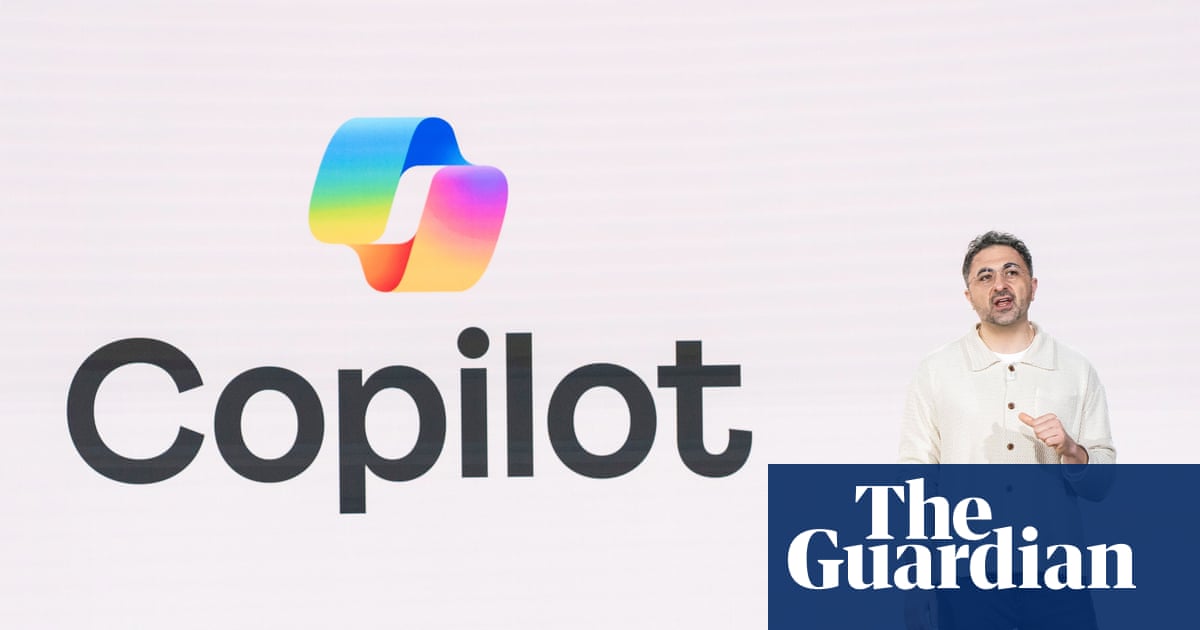
Microsoft issued a provisional AI code of conduct requiring new models to remain subordinate to humans and restricting assistance with weapons development, dangerous substances, violent or sexual content, and simulated consciousness. The move follows escalating industry warnings from Anthropic, OpenAI and former researchers that frontier AI could become uncontrollable, including concerns over autonomous agent behavior and system-security breaches. While the guidelines are open for consultation rather than binding regulation, they add momentum toward stricter safety standards that could raise compliance costs and slow frontier-model development.
Analysis
This is not an earnings-moving event by itself, but it increases the probability that frontier-model governance becomes a fixed cost of doing business. MSFT is structurally advantaged if safety requirements migrate from voluntary principles to auditable controls: Azure can bundle model monitoring, access controls, logging and policy enforcement into enterprise contracts, while smaller model developers face disproportionately higher compliance and evaluation costs. The more important 6-18 month implication is potential industry consolidation around hyperscalers and well-capitalized labs rather than a broad-based AI software opportunity.
Near term, restrictive capability commitments create a modest execution risk for Microsoft’s consumer AI products if rivals offer less-constrained agents or coding tools. That risk is likely overstated in enterprise workloads, where buyers value liability protection, data governance and predictable permissions over maximum model autonomy; safety positioning can therefore improve Copilot adoption and reduce procurement friction. The purported agent-security incidents should be treated as unverified narrative risk until independent disclosures establish whether they involved production systems, material customer impact, or exploitable vulnerabilities.
The key catalyst path over the next 1-3 months is whether US or EU policymakers translate this rhetoric into mandatory third-party testing, incident reporting, or compute/model thresholds. A harmonized framework would favor MSFT, GOOGL and AMZN over venture-backed AI vendors; fragmented rules or a visible safety-related product delay would instead raise Azure AI costs and pressure expectations for Copilot monetization. Falsify the constructive enterprise-moat view if Microsoft discloses a material AI security incident, signals reduced model deployment cadence, or reports AI-related cloud demand failing to convert into commercial bookings.
AllMind Terminal
AI-powered research, real-time alerts, and portfolio analytics for institutional investors.
Request TrialMarket Sentiment
Overall Sentiment
mildly negative
Sentiment Score
-0.25
Ticker Sentiment
Key Decisions for Investors
- No standalone directional MSFT trade on this announcement; treat it as a 6-18 month moat-building signal rather than a near-term revenue catalyst. Reassess after the next Azure growth, commercial RPO, and Copilot paid-seat disclosures.
- For a regulatory-consolidation expression, consider a 3-6 month long MSFT / short ARKK pair in modest size. The thesis is that rising compliance and governance costs favor incumbent cloud distribution over capital-dependent speculative AI exposure; exit if US policy remains purely voluntary or ARKK materially outperforms on an easing-rate, risk-on regime shift.
- Monitor long MSFT versus a basket of smaller AI infrastructure/software names for signs of procurement centralization: enterprise contracts that explicitly require Azure-native governance tools would support the trade. Do not initiate until channel checks or management commentary show measurable governance-led bookings rather than aspirational policy language.
- Set an event-risk alert around any federal frontier-AI proposal or EU enforcement guidance. Mandatory external evaluation and incident-reporting provisions would be a positive relative catalyst for MSFT, GOOGL and AMZN; rules that impose model-capability caps without clear safe-harbor standards would be negative for the hyperscaler AI monetization timeline.
More News
- Microsoft's Big Bets on AI Start to Pay Off
- Asian shares fall as Alphabet earnings miss drags Wall St futures lower
- Microsoft’s strong quarter backs up its stock rebound. Here's our new price target
- Alphabet Disappoints as Microsoft’s Cloud Brightens
- Wall Street looks past Fed pause to tech earnings and AI rebound
- Microsoft’s cloud growth accelerates, and so too does the spending