
EvoDECO® Next: Sidel brings new freedom and material efficiency to roll-fed labelling
Source: PR Newswire
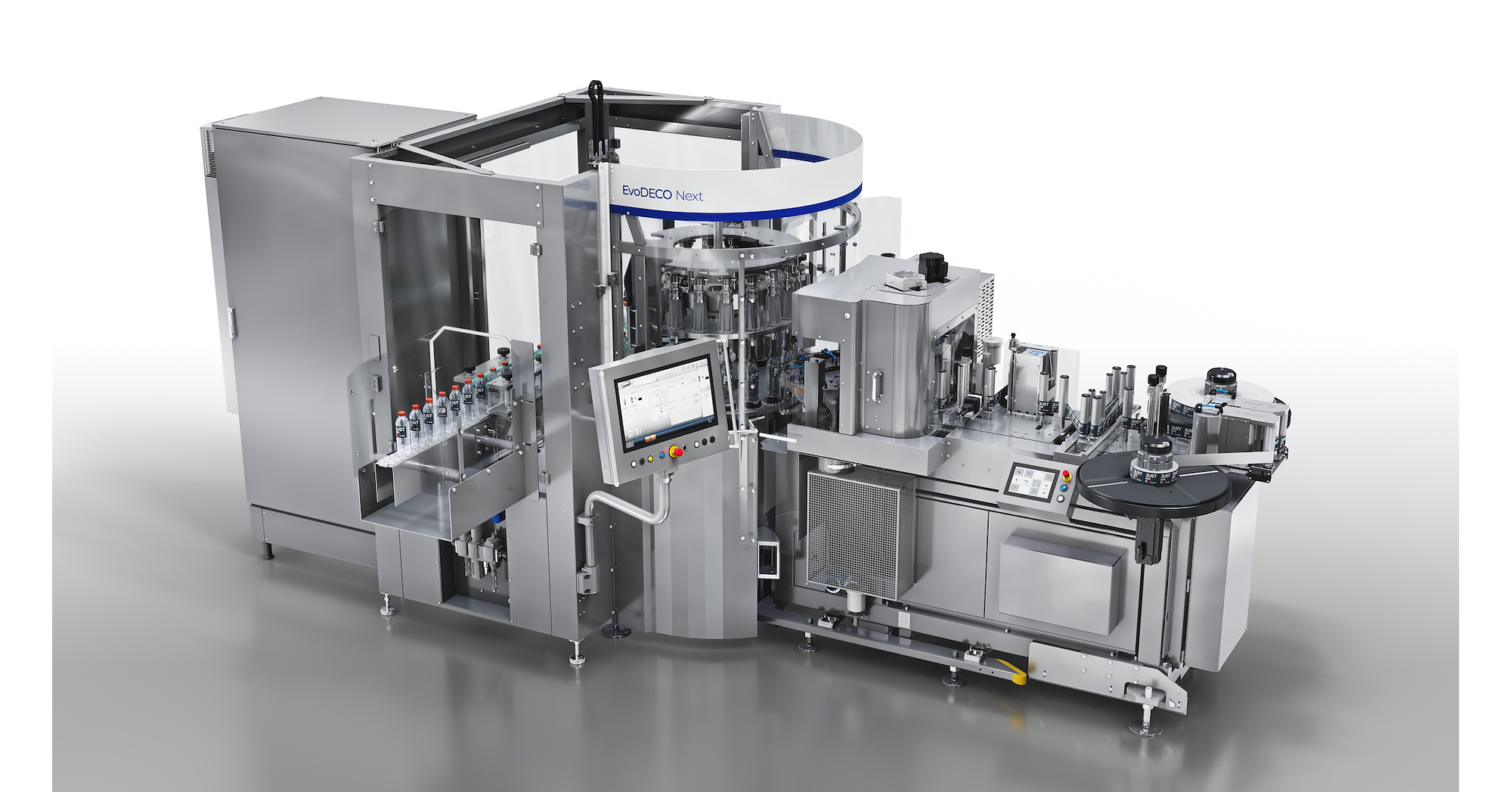
Sidel introduced EvoDECO Next, a roll-fed labelling platform that it says can reduce label surface by up to 75% in a 90° partial-label configuration. In a Sidel model for a line producing about 459 million bottles annually, that configuration would cut BOPP use by 208.4 tonnes and associated CO₂ emissions by 346 tonnes, while saving approximately €723,000 in annual raw-material costs. The estimates depend on Sidel’s modelling assumptions and actual product, materials and operating conditions.
Analysis
The economic upside is conditional, not yet an investable earnings signal: the modeled savings accrue only where bottle geometry, brand design, line compatibility and label specifications permit the smaller format. Missing capex, retrofit needs, payback period and customer adoption data matter more than the headline material reduction. Verify whether quoted savings are net of conversion costs and whether they apply across multiple SKUs, rather than one high-volume line.
If adoption scales, beverage bottlers could gain modestly through lower packaging input costs and reported packaging-footprint reductions; BOPP demand and label-converter volumes face the offset. The effect is likely a mix shift, not an immediate threat to resin demand: smaller labels may require different print complexity or command different conversion economics. Sidel’s integrated design could support equipment differentiation, but competitors such as Krones and KHS can respond, limiting durable pricing power.
Near term, treat the announcement as a commercial proof-point, not a catalyst for broad packaging names. Over 1–3 months, customer installations and disclosed paybacks are the key validation. Over 6–18 months, adoption could pressure label-material volumes in high-throughput beverage applications, but regulatory/customer information needs and brand visibility may cap use. Contrarian point: the maximum reduction is a specific configuration, while the financial case may be diluted by redesign, qualification and changeover costs. No direct listed-company exposure is established by the supplied identities.
AllMind Terminal
AI-powered research, real-time alerts, and portfolio analytics for institutional investors.
Request TrialMarket Sentiment
Overall Sentiment
mildly positive
Sentiment Score
0.30
Key Decisions for Investors
- No trade on the announcement alone. Sidel’s ownership/exposure and any listed parent are not established in the supplied company mapping; avoid attributing the launch to a ticker.
- Monitor bottler capex or sustainability disclosures for named deployments, realized line speed, total installed cost and payback. Upgrade the thesis only if savings are reported net of conversion, validation and operating costs.
- Track BOPP/label-converter pricing and volumes as adoption evidence; a sustained decline in relevant label demand would strengthen the downside case, while stable pricing or limited deployments would falsify a broad materials-impact thesis.
- For any future equipment-sector relative-value view, compare Sidel’s order wins and customer economics with Krones and KHS; do not infer competitive share gains from the product launch without orders or guidance changes.
More News
- Why is Samsung Electronics stock plunging today?
- SK Hynix plunges 8% amid Asia tech rout as Fed rate hike fears, AI funding worries mount
- Elon Musk says Trump is 'ultimately' responsible for any curbs on Ukraine's Starshield systems
- SK Hynix seeks U.S. chip equipment exports to China tied to new factory
- Dell stock plunges 11%, leading data center sell-off on concerns about 'enterprise AI timing'
- Why is Rocket Lab stock tumbling today?
From AllMind Research
- Anthropic IPO Preview: Valuation, Timing, and What to Watch
- Shein After the IPO: Venue, Valuation, and What Must Be Proved
- What AI Research Tools Should a Small Hedge Fund Buy First?
- Introducing AllMind: A New Data & AI Workspace for Institutional Investors
- AI Tools for Private Equity Due Diligence: A Buyer Workflow