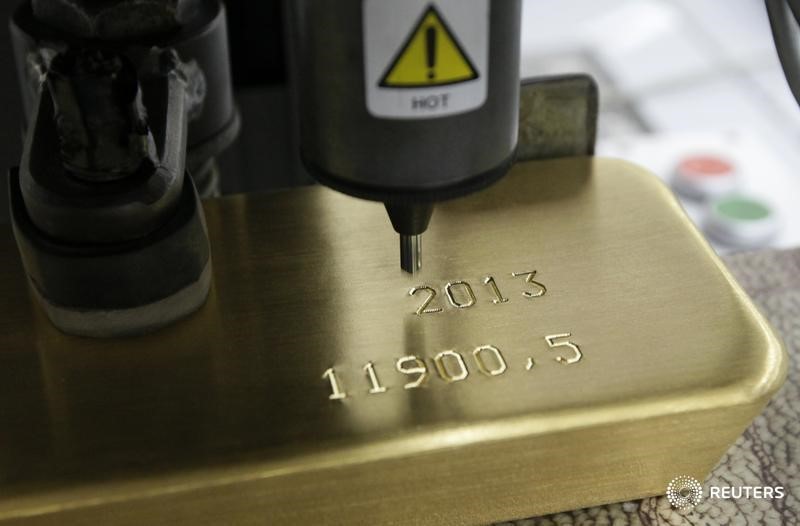
Gold is trading at $4,367.10 on the 1-hour chart after a major breakdown, with trend signals still bearish despite oversold conditions suggesting a possible short-lived relief bounce. Key downside risk is the $4,333.40 low; a break there could trigger capitulation-style selling, while bulls need a reclaim of $4,485 to neutralize the downtrend. The article also opens with Iran attacking Israel in retaliation for a Beirut strike, a geopolitical shock that supports broader risk-off flows and energy-market volatility.
The immediate market implication is not just higher oil, but a volatility regime shift across every asset with embedded energy sensitivity. The first-order winners are the obvious commodity hedges, but the second-order beneficiaries are domestic U.S. producers and refined-product exposure if the shock lifts crack spreads faster than crude itself; the real loser set is airlines, chemicals, and EM importers with weak FX balance sheets. If the headline evolves into a multi-day escalation, the market will likely price a higher geopolitical risk premium rather than a simple one-off spike, which tends to keep energy bid even after the first reaction fades.
For gold, the technical backdrop suggests the market had already built a liquidation base before the geopolitical impulse arrived, so this kind of event is more likely to extend a squeeze than create a fresh trend on its own. The important nuance is that a relief bounce in gold can coexist with a stronger dollar and higher real-rate volatility if investors sell risk assets broadly; that makes chasing gold strength less attractive than expressing the risk-off impulse through oil and defense-linked hedges. If the escalation does not widen, the move in both oil and gold can retrace quickly because positioning will be the marginal driver after the initial shock.
The most interesting equity second-order effects are in AI infrastructure and power-intensive growth names: higher oil can pressure broad multiples through discount-rate anxiety, but the article’s ticker focus on SMCI and APP is a reminder that factor rotation may dominate fundamentals intraday. High-beta growth can underperform on a macro scare even if the direct business impact is minimal, making them useful shorts against energy or defensive longs for a 3-10 day window. The key contrarian risk is that the market overprices supply disruption before actual barrels are threatened; if there is no spread to shipping lanes or production infrastructure, the premium can evaporate faster than consensus expects.
AI-powered research, real-time alerts, and portfolio analytics for institutional investors.
Request TrialOverall Sentiment
mildly negative
Sentiment Score
-0.12
Ticker Sentiment
