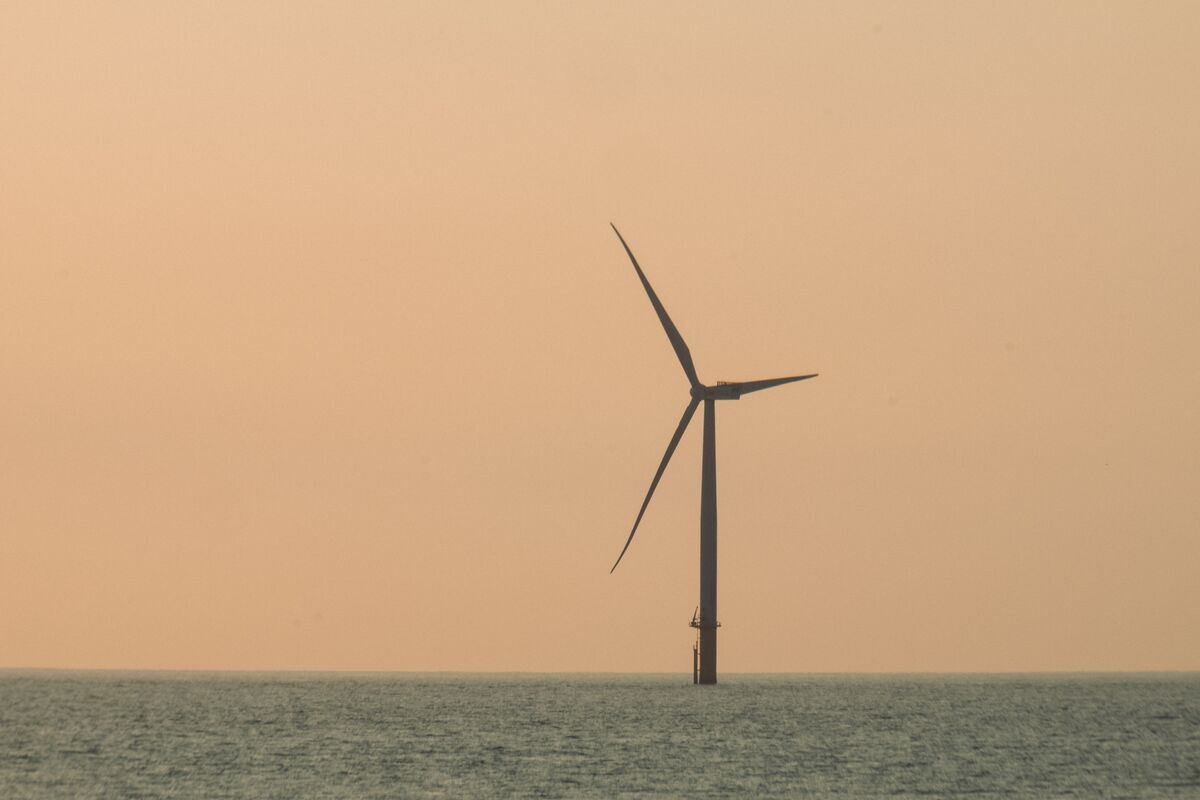
The Crown Estate plans to relaunch rights for a 1.5-gigawatt offshore wind project in the Irish Sea after prior developers abandoned it last year. The move could support the UK’s goal of largely decarbonizing its power grid by 2030, but it also serves as a test of developer appetite for UK offshore wind amid rising political risk from the Reform Party's anti-subsidy stance.
The immediate signal is not about one project; it is about the clearing price for UK offshore wind risk. If developers re-enter, the market is telling you capital can still price through policy noise, but only if expected returns are re-based higher through subsidy structure, merchant power optionality, or supplier concessions. That is constructive for the entire European offshore ecosystem, but the beneficiaries are less the pure-play developers and more the balance sheets that can absorb long-dated construction risk and the industrial suppliers with backlog visibility.
The second-order loser is the UK policy premium itself. If political risk rises into the next election cycle, developers will demand a wider spread between UK projects and continental alternatives, which can delay awards, push out final investment decisions by 6-18 months, and compress the pipeline even if headline targets stay intact. The real vulnerability sits in the supply chain: turbines, HV cables, installation vessels, and grid equipment are already bottlenecked, so any pause in UK commitment would not just slow buildout—it could reallocate scarce capacity to higher-return markets and raise delivered costs for everyone else.
The contrarian point is that the market may be overpricing policy repeal risk relative to the institutional inertia of power procurement. Offshore wind is embedded in grid-planning and industrial policy, so a full reversal is much harder than campaign rhetoric implies; the more plausible outcome is slower approvals, tougher contract terms, and higher required returns. That means the right expression is not a blanket short on renewables, but a relative-value trade favoring names that can pass through policy volatility and avoiding the most UK-exposed, capital-intensive developers until the next auction round proves demand at acceptable economics.
AI-powered research, real-time alerts, and portfolio analytics for institutional investors.
Overall Sentiment
neutral
Sentiment Score
0.10
