
New SEC rules would fleece everyday investors to enrich Wall Street
Source: MarketWatch
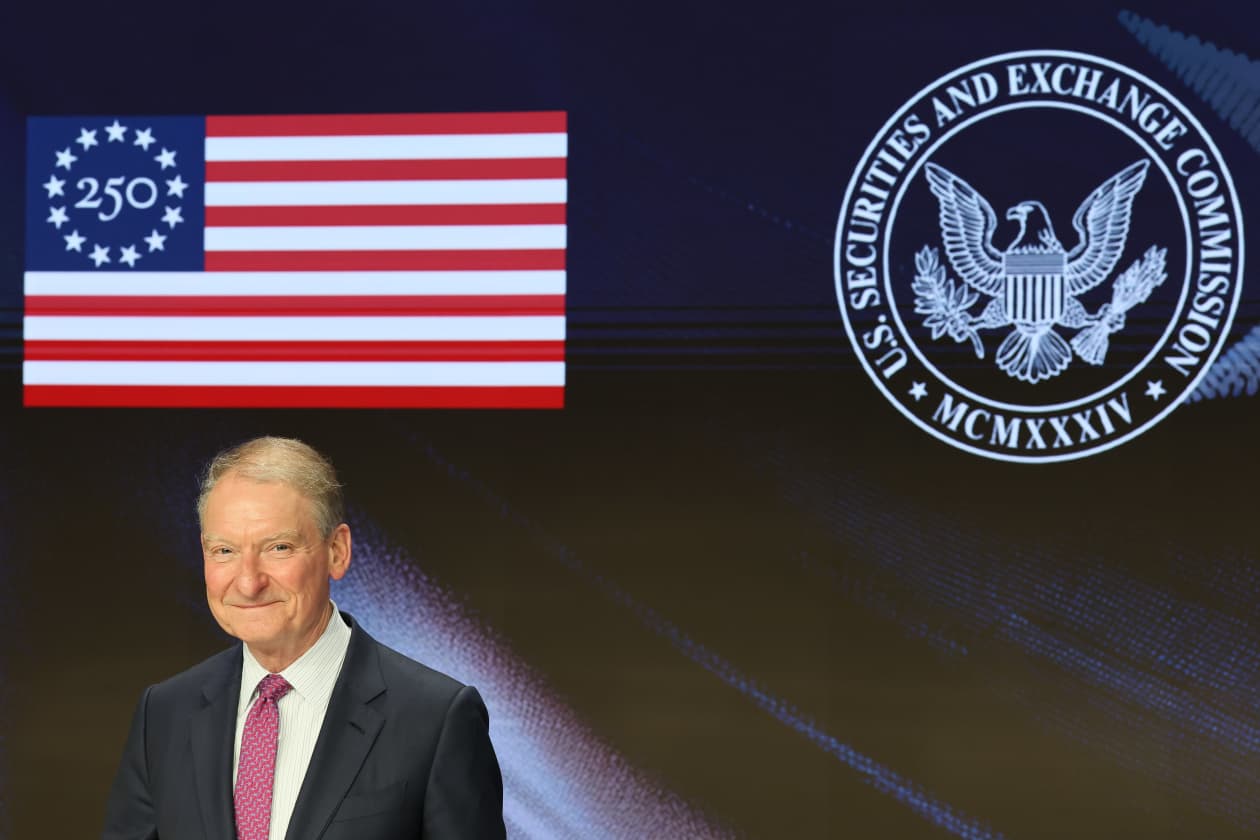
The SEC has proposed rules that the opinion argues could expose retail investors to higher fees and riskier assets by permitting one-sided performance fees and easing sales of retail funds holding illiquid private securities. The article says approximately 130 million Americans held $45 billion in mutual funds at the end of 2025.
Analysis
The economic issue is not simply access to private assets; it is whether retail fund structures can price and redeem assets whose valuations are infrequent and whose liquidity is limited. If final rules permit performance fees without robust loss-recovery provisions, managers could have an incentive to increase volatility: investors bear more downside while managers retain upside participation. Easier distribution of illiquid holdings could also make reported fund returns look smoother than realizable exit values, until redemptions force sales or liquidity limits.
Potential beneficiaries are alternative-asset managers seeking a broader retail channel, but incremental distribution is not automatically earnings accretive: compliance, valuation, liquidity management, and reputational costs could offset fee revenue. Traditional fund distributors may face product competition, while fund investors bear the principal liquidity and fee-design risk. These are conditional effects, not established outcomes of the proposal.
The article is advocacy, not independent evidence of the proposal’s final mechanics or likely implementation. The key near-term catalyst is the rulemaking record and any revisions; the material impact, if adopted, is more likely to emerge over 6–18 months as products launch and flows develop. A reversal in rule scope, stringent redemption protections, or weak investor demand would blunt the distribution thesis. No immediate directional trade is justified without the proposal text, fee terms, liquidity provisions, and evidence of actual product launches or flows.
AllMind Terminal
AI-powered research, real-time alerts, and portfolio analytics for institutional investors.
Request TrialMarket Sentiment
Overall Sentiment
mildly negative
Sentiment Score
-0.35
Key Decisions for Investors
- No immediate trade: treat this as a regulatory watch item rather than a confirmed earnings catalyst. Review the proposal for performance-fee loss-recovery rules, valuation frequency, redemption limits, and liquidity disclosures before changing exposure.
- Conditional watch: if the final rule materially broadens retail access and early launches show net inflows without restrictive liquidity terms, assess a relative long in diversified alternative managers such as Blackstone, Apollo, or Ares against traditional asset managers. Do not initiate solely on the opinion piece; verify product economics and flow disclosures first.
- Risk monitor for holders of retail funds adding private assets: track disclosed illiquid-asset concentration, redemption terms, valuation methodology, and any widening discounts or delayed withdrawals. A rise in redemption pressure or a valuation reset would falsify the assumption that expanded distribution is benign.
- Reassess the thesis if final rules impose meaningful investor protections, the SEC delays or narrows implementation, or launches fail to attract durable flows; in that case, any expected distribution benefit to alternative managers may be overstated.
More News
- US fines Bank of America $1.2bn for money laundering, sanctions violations
- Speculation Over STT Cut Lifts Sentiment for Indian Stocks
- Applied Materials’ $5 billion AI lab aims to cut chip development time in half—and restore Silicon Valley’s edge
- Bank of America hit with more than $1.2 billion in penalties over money-laundering violations
- Meta’s Muse models reach the AI frontier—and kill any hopes to ‘pace’ it
- Why is Bank of America stock sliding today?