
Harry Ritchie's Celebrates 70 Years with an Evening of Giving Back
Source: PR Newswire
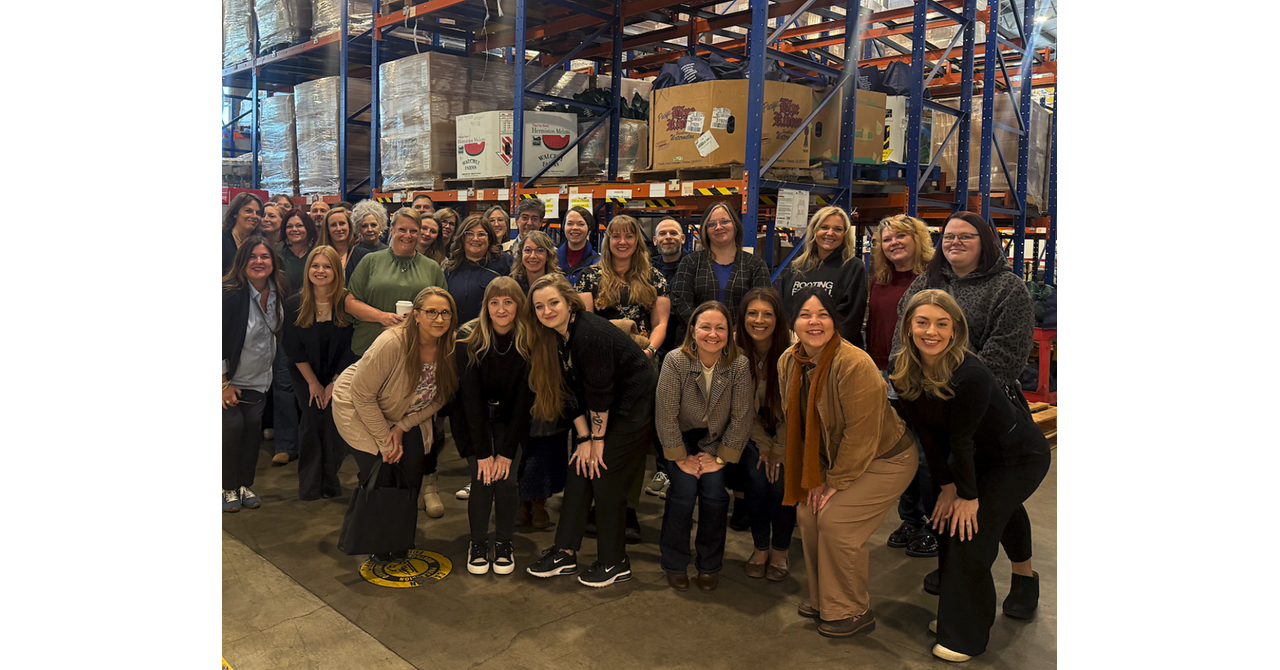
Harry Ritchie's marked its 70th anniversary by partnering with Food for Lane County to host a community meal in Eugene on October 14 for neighbors facing food insecurity. The independent jewelry retailer said community giving will remain part of its values; the announcement provides no financial results or market-moving figures.
Analysis
Market read-through is negligible: this is a local reputation signal, not evidence of revenue growth, customer acquisition, or improved unit economics. The plausible benefit is indirect—community engagement may strengthen employee retention and customer trust, helping an independent retailer differentiate from online sellers and larger chains. That effect is gradual and difficult to attribute; the announcement provides no cost, participation, sales, or customer-retention data. Food for Lane County and local partners receive direct community value, but no material financial read-through is established.
The contrarian consideration is that values-based positioning can support loyalty, but jewelry remains discretionary: if household budgets weaken, goodwill is unlikely to offset lower demand for higher-ticket purchases. Near term, expect no durable trading catalyst. Over 1–3 months, verify whether Harry Ritchie's reports measurable store traffic, conversion, or repeat-customer improvement; over 6–18 months, the relevant question is whether community investment is sustained and translates into operating results. No listed-company identity or investable exposure is supplied, so assigning a public-market beneficiary would be speculative.
AllMind Terminal
AI-powered research, real-time alerts, and portfolio analytics for institutional investors.
Request TrialMarket Sentiment
Overall Sentiment
mildly positive
Sentiment Score
0.15
Key Decisions for Investors
- No trade on this announcement alone; treat the reported impact as reputational rather than financial.
- If monitoring regional jewelry retail, seek evidence on comparable-store sales, transaction values, traffic, and repeat purchasing before underwriting a loyalty or growth effect.
- Falsify the positive brand-differentiation thesis if follow-up evidence shows no customer or employee outcomes, or if discretionary demand weakens enough to pressure jewelry sales.
More News
- Australian data center operator NextDC's shares plunge 40% after it slashes earnings forecast
- Elon Musk says Tesla and SpaceX are weighing a $3.5 trillion merger—without him in the room
- Neoclouds Lose Silver Lining as Elice, CoreWeave Dive: Evening Briefing Americas
- Anthropic May Spend $750 Billion on Computing Costs, WSJ Reports
- This Janus Henderson fund manager owns CoreWeave debt — here's why he's sticking with it
- Super Micro’s stock soars after surprise update — with Dell and HPE shares joining the rally
From AllMind Research
- Anthropic IPO Preview: Valuation, Timing, and What to Watch
- Shein After the IPO: Venue, Valuation, and What Must Be Proved
- What AI Research Tools Should a Small Hedge Fund Buy First?
- AI Tools for CFA Charterholders: An Evidence Standard
- Weekly Update: Unstructured Data Search, Ask AI, and Advanced Futures Data