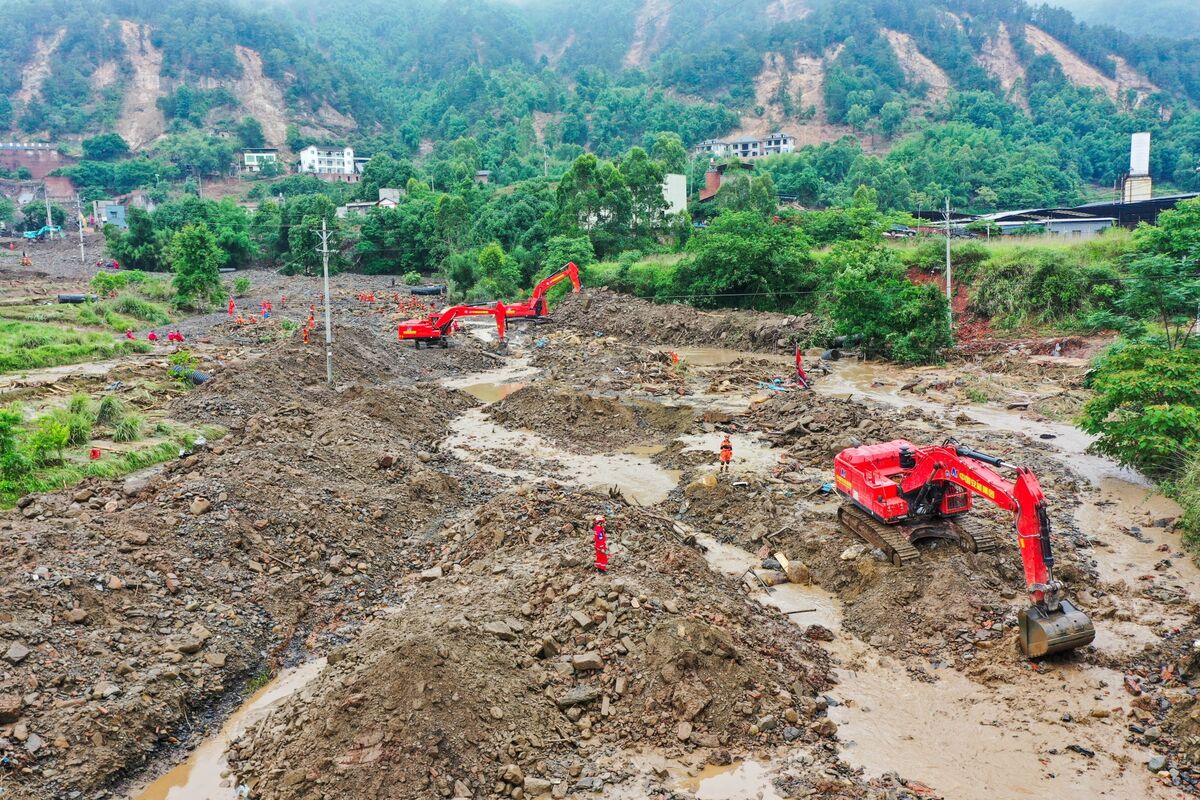
Heavy rains in southern China over the next 10 days could bring more than 400 millimeters of precipitation in some areas, raising flash-flood risk for rice fields and other crops. The China Meteorological Administration said rainfall will be especially intense from Wednesday through Sunday. The headline risk is negative for agricultural supply, but the broader market impact is likely limited unless flood damage worsens materially.
This is a near-term supply shock with a long tail only if the weather damages transplanting and early-growth rice rather than just delaying field access. The market often underprices how localized flooding can ripple into broader ag input demand: replanting raises seed, fertilizer, and crop-protection usage, while waterlogged fields can reduce nitrogen uptake and create follow-on yield drag even after floodwaters recede. The bigger second-order risk is not just lower output, but more volatile procurement behavior from mills and traders as they scramble to secure replacement supply.
The immediate beneficiaries are likely in upstream agricultural inputs and, if damage proves material, import channels and logistics operators with exposure to food movement rather than production. Conversely, domestic rice-linked processors, local agribusinesses, and rural credit/insurance books face an asymmetric short-term hit because flood losses tend to cluster and can outpace reserves. If the rain belt is severe for less than a week and drainage is effective, the trade becomes mostly a temporary sentiment event; if inundation lasts into the 10-day window, yield impairment can persist into the next harvest cycle.
The key catalyst to watch is whether flood extent exceeds the forecast band into major rice-growing areas, because the market will reprice from "weather risk" to "supply loss" only if there is acreage loss or replanting. A fast reversal would come from a weaker-than-expected rainfall band or rapid runoff, which would cap food inflation fears and unwind any knee-jerk bid in ag commodities. The contrarian view is that investors may be overestimating national-level rice scarcity: China has policy tools, inventories, and import flexibility, so the more durable opportunity is in local dislocation trades rather than a broad bullish agriculture thesis.
AI-powered research, real-time alerts, and portfolio analytics for institutional investors.
Request TrialOverall Sentiment
moderately negative
Sentiment Score
-0.35
