
GAP's Gross Margin Hits 41.4%: Can Expansion Continue in 2H 2026?
Source: zacks.com
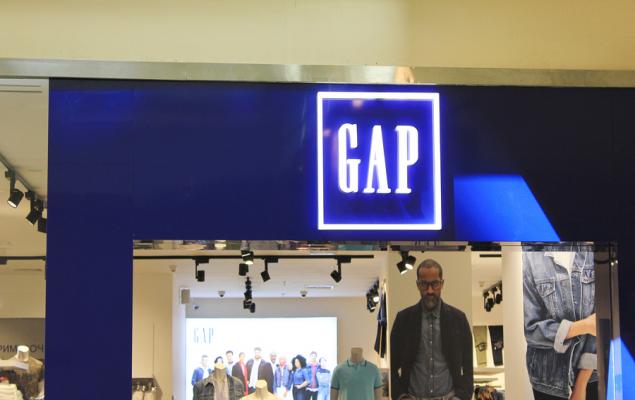
Gap's fiscal Q2 2026 adjusted gross margin reached 41.4%, up 20bps year over year, while merchandise margin expanded 80bps, aided by pricing discipline, inventory management and 30bps of tariff-mitigation actions. Management expects Q3 gross margin to increase 25-75bps from 42.4% a year earlier, supported by an estimated 150bps tariff benefit. Second-half gains may be constrained by Old Navy investment, higher fuel costs and roughly 50bps of annual rent, occupancy and depreciation deleverage, although consensus still projects fiscal-year EPS growth of 13.2% on sales growth of 0.9%.
Analysis
The relevant signal is not modest margin expansion itself but the quality of the bridge: a meaningful portion of the prospective benefit is policy/input-cost timing rather than durable brand pricing power. Reinvesting that benefit into Old Navy raises the probability that gross-margin upside is converted into sales stabilization rather than near-term EPS beats. This can be strategically rational, but it limits the case for a rapid re-rating until conversion, units and full-price sell-through demonstrate that investment is generating incremental demand rather than simply defending share.
GAP's discount to specialty-apparel peers creates asymmetric upside only if the market accepts that earnings durability has improved; at low-single-digit sales growth, even a 50-100 bp gross-margin miss or occupancy deleverage can materially impair operating leverage. The next 1-3 month catalyst is evidence in Q3 that Old Navy inventory and promotion normalize without sacrificing traffic. Over 6-18 months, the key structural question is whether the portfolio can hold pricing against value-oriented competitors such as TJX and Ross while rent and labor costs remain sticky.
The contrarian view is that investors may over-credit tariff mitigation as a recurring earnings tailwind. Any tariff benefit that is competed away through lower ticket prices, redirected into product upgrades, or offset by freight volatility should be valued at a lower multiple than merchandise-margin gains from lower markdowns. ANF and BOOT remain cleaner consumer-demand expressions because their earnings cases rely more on category/brand momentum and less on a turnaround investment cycle, though both carry greater multiple risk if discretionary demand softens.
AllMind Terminal
AI-powered research, real-time alerts, and portfolio analytics for institutional investors.
Request TrialMarket Sentiment
Overall Sentiment
mildly positive
Sentiment Score
0.28
Ticker Sentiment
Key Decisions for Investors
- Maintain GAP as a watch-list long rather than add ahead of the next print. Upgrade to a 3-6 month long only if Q3 shows full-price sell-through improvement, stable Old Navy traffic and gross margin at or above the high end of guidance; target a re-rating toward 10x forward EPS versus current depressed valuation. Exit on a gross-margin guide below flat year-on-year or a material inventory build.
- Express relative quality over the next 1-3 months through long ANF / short GAP in dollar-neutral size. ANF has stronger earnings-momentum exposure while GAP faces execution risk from reinvestment; take profits if the valuation spread narrows materially or if ANF reports a comparable-sales deceleration that breaks its premium-demand thesis.
- For higher-beta retail exposure, favor BOOT on pullbacks rather than GAP: its growth profile offers more operating-leverage upside if consumer demand holds. Size modestly because a discretionary slowdown can compress its premium multiple faster than GAP's; invalidate on a material reduction in comp-sales or store-opening guidance.
- Monitor weekly apparel promotions, freight/fuel costs and Old Navy conversion data through Q3. A renewed promotional escalation by GAP, AEO, ANF or off-price channels would signal tariff-related savings are being competed away and argues against owning GAP into the holiday inventory cycle.
More News
- Boot Barn stock hits 52-week low at $133.07 amid market fluctuations
- Exclusive-Malaysia talks to rival airlines as it monitors AirAsia’s financial health, sources say
- Australia’s Reliance Worldwide agrees to Brookfield’s $2.9 billion buyout bid
- Trip.com swings to Q2 loss after $763 million antitrust penalty
- Push for AI regulation mounts as talk of AI’s ‘existential’ risks go mainstream. But Trump resists calls for a slowdown
- Federal Reserve decision, retail sales, and oil inventories due Wednesday
From AllMind Research
- Anthropic IPO Preview: Valuation, Timing, and What to Watch
- Shein After the IPO: Venue, Valuation, and What Must Be Proved
- What AI Research Tools Should a Small Hedge Fund Buy First?
- How to Build an Automated Research Process for a Fund
- Weekly Update: AI-Powered Report Editing, Investor Relations, and Enhanced Search