
Haier Biomedical Brings Blood Management and Pharmaceutical Cold Storage Expertise to AABB and ISPE 2026
Source: PR Newswire
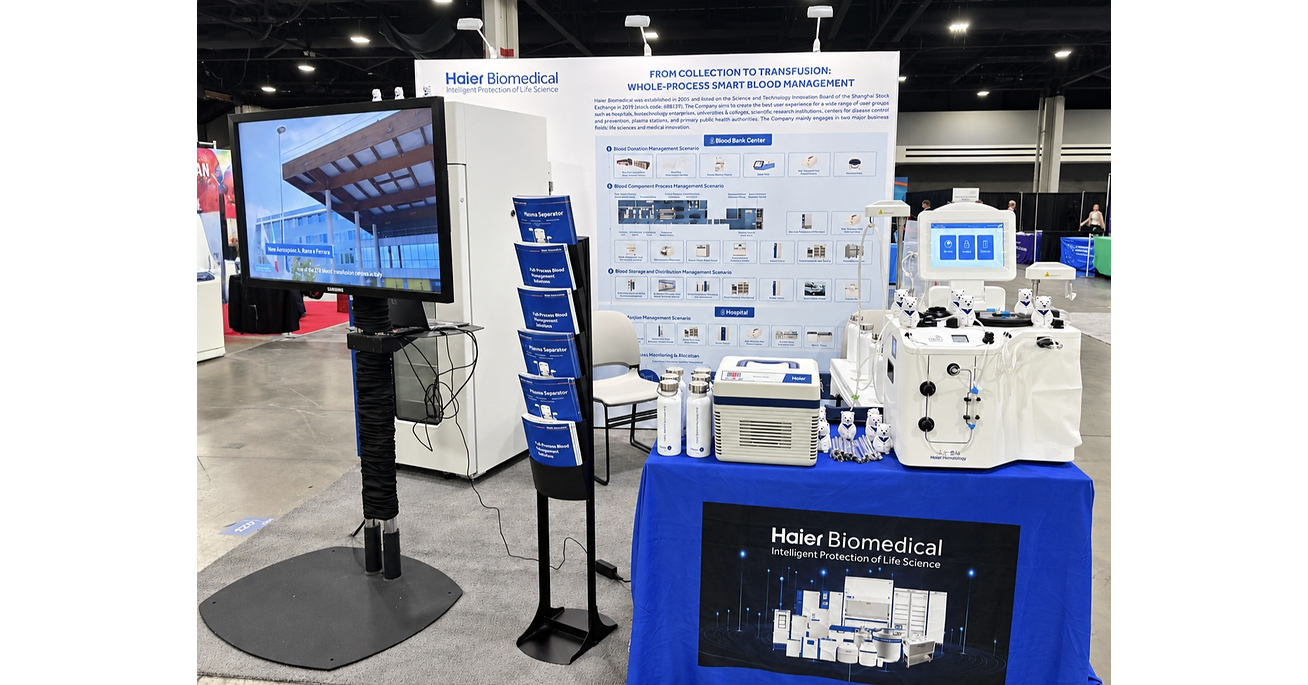
Haier Biomedical showcased blood-management and pharmaceutical cold-storage solutions at two U.S. industry meetings and led the proposal for an approved IEC project to develop international performance and testing standards for medical refrigerated and frozen storage facilities. The company cited more than 70 U.S. FDA approvals, over 140 UL certifications, 12 AABB certifications and 36 ENERGY STAR-certified models, while highlighting its U.S. institutional deployments and expansion efforts. The announcement emphasizes product capabilities and standards participation but provides no new financial results or market reaction.
Analysis
The commercially relevant signal is standards influence, not conference visibility. If Haier Biomedical helps shape IEC test methods, it may gain credibility in procurement and create a clearer basis for comparing equipment; however, a common standard can also lower differentiation and force redesign or validation spending across vendors. The proposal is not evidence of adopted requirements, incremental orders, or a durable moat.
U.S. adoption remains the key proof point. Institutional deployments and certifications may reduce technical diligence friction, but do not establish material revenue or neutralize buyer concerns around service coverage, data handling, and China-linked supply-chain exposure. Established life-science equipment vendors—including Thermo Fisher Scientific, Eppendorf, and PHCbi—could face added price competition if Haier converts credentials into repeat purchases; conversely, they may benefit if buyers prioritize established service networks or procurement risk controls. No company-level earnings impact is quantifiable from the release.
Days: likely low-impact corporate publicity absent a separately reported commercial award. Over 1–3 months, watch for named U.S. contracts, distributor/service expansion, and the IEC work program's scope and timeline. Over 6–18 months, standards adoption and recurring orders could matter, but validation cycles in clinical and laboratory settings are likely more important than conference exposure. Risks include slow standards progress, qualification delays, procurement restrictions, and energy-efficiency claims failing to translate into total-cost-of-ownership wins. Contrarian point: standards leadership may be a credibility signal, but could equally accelerate commoditization. Falsify the constructive thesis if the IEC project stalls or Haier reports no evidence of U.S. order conversion; stronger evidence would be repeat wins and sustained international revenue growth.
AllMind Terminal
AI-powered research, real-time alerts, and portfolio analytics for institutional investors.
Request TrialMarket Sentiment
Overall Sentiment
mildly positive
Sentiment Score
0.20
Key Decisions for Investors
- No directional trade on this release alone: the announcement offers no quantified orders, revenue contribution, or earnings guidance change.
- Treat Haier Biomedical as a watch item; verify U.S. revenue/order trends, customer concentration, service footprint, and whether the IEC proposal advances from project approval to published requirements before underwriting a growth premium.
- Monitor Thermo Fisher Scientific and other established cold-storage suppliers for competitive responses or pricing pressure, but do not short them without evidence of lost bids, lower pricing, or revised guidance.
- Reassess on a 1–3 month horizon if the company discloses named U.S. commercial wins or a concrete IEC timetable; the thesis weakens if standards work stalls or U.S. adoption remains unsubstantiated.
More News
- Analysts react as Binance freezes assets after $6.3 billion security breach
- Stocks slump, bonds leap as AI giants’ spending spooks investors
- DoorDash offers $17 billion for Instacart: ‘the largest companies are only eating more and more of the pie’
- Alphabet Erases $500 Billion as ChatGPT, Google AI Cut into Search
- Alphabet just had its worst day as a public company. BofA now values Google search at a lower multiple than fossil fuel stocks
- PC chip plunge wipes out a quarter of Intel’s value