
Why China Shock 2.0 Is Different
Source: Bloomberg
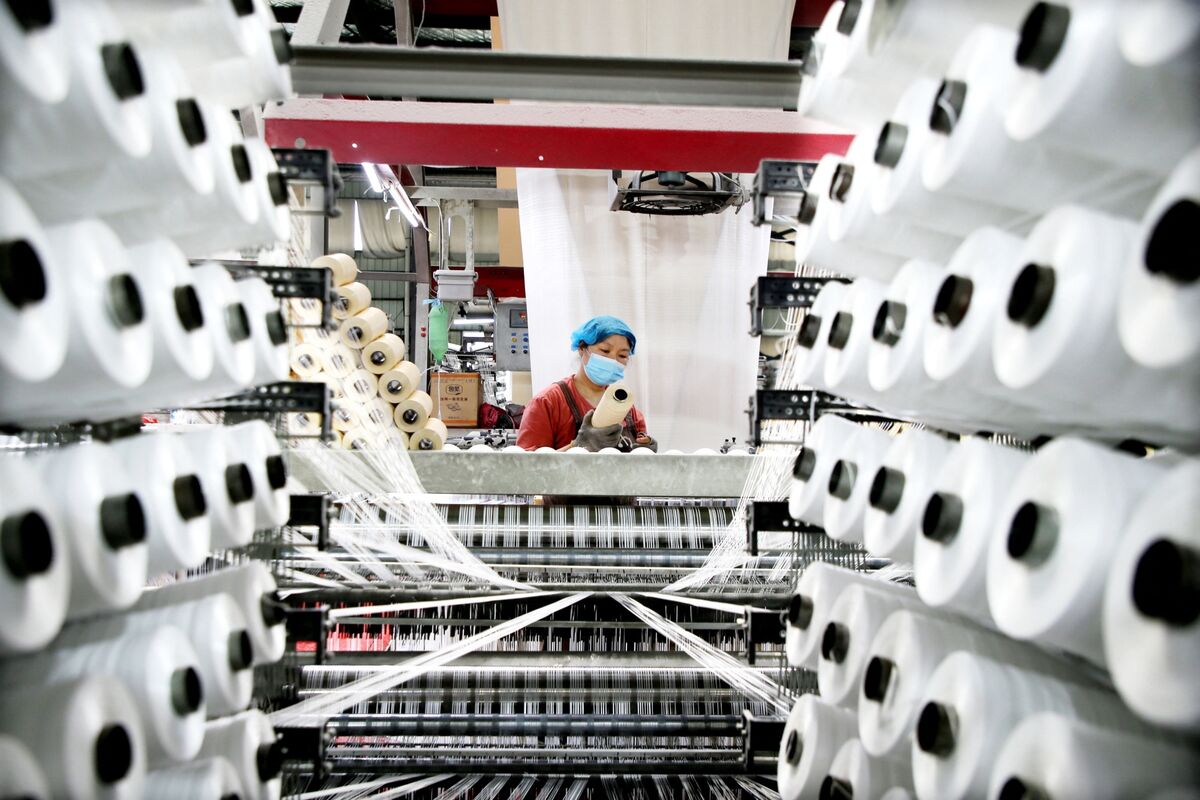
The headline says a second “China shock” differs from the earlier episode and could be more painful for Europe. The provided text contains no supporting details, figures, or specific market implications.
Analysis
The supplied text is newsletter boilerplate, not the underlying analysis. Its title signals a claim that a renewed China supply shock could affect Europe, but provides no products, trade-flow data, policy changes, or evidence of company exposure. That is not enough to distinguish a durable margin shock from a headline-driven narrative. The key mechanism to test is whether additional Chinese capacity is displacing European producers through lower export prices, rather than simply expanding supply in categories where demand is growing. If displacement is real, exposed European manufacturers could face lower utilization and pricing power; downstream European firms and consumers could benefit from cheaper inputs. Policy responses could then shift the risk from earnings to tariffs, subsidies, or procurement rules. Near term, no trade is justified on this excerpt alone. Over 1–3 months, the thesis becomes actionable only with product-level import volumes and prices, company exposure, and concrete EU policy developments. Over 6–18 months, persistent price undercutting and capacity expansion would matter more than the initial headline.
AllMind Terminal
AI-powered research, real-time alerts, and portfolio analytics for institutional investors.
Request TrialMarket Sentiment
Overall Sentiment
neutral
Sentiment Score
-0.10
Key Decisions for Investors
- Do not initiate a Europe-short or China-long position from this excerpt. The underlying article and the relevant industries are missing.
- Set an alert to review Eurostat import volumes and unit values by product, alongside producer pricing and utilization data; rising volumes alone would not establish harmful displacement.
- If product-level evidence confirms sustained Chinese price undercutting in a specific European industry, assess a relative-value short in the exposed European producers against less-exposed peers rather than making a broad Europe call. Verify company revenue exposure and valuation first.
- Track EU tariff, subsidy, and procurement announcements over the next 1–3 months. A policy response that limits market access could reverse the presumed pressure on European producers; continued price declines despite policy action would strengthen the bearish earnings case.
More News
- Oil, Inflation Fears Derail Record US Stock Rally
- Chevron CEO warns against 'unwise' diesel export ban, saying it could make things worse
- Asian currencies rangebound as dollar holds near 18-month high, yen slips
- Brazil is having its Argentina moment. How to play it
- Samsung Q3 profit surges to record high, but misses lofty expectations
- Why is Greentown China stock rallying today?