
HelloNation Examines All-Weather Tires vs. All-Season Tires for Winter Driving Featuring Commercial Tire Expert Craig Lewis
Source: PR Newswire
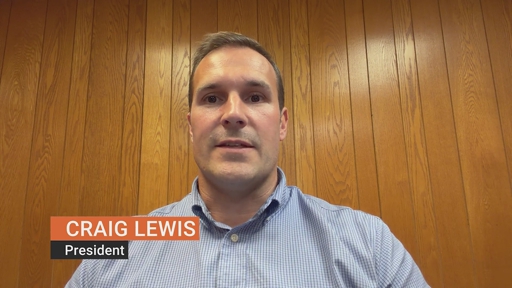
HelloNation published an expert article comparing all-weather and all-season tires for Rochester winter driving. It says all-weather tires offer better traction in cold, snowy conditions and typically carry the 3PMSF severe-snow rating, while dedicated winter tires may still be preferable for severe conditions; the article gives no sales figures or market data.
Analysis
This is promotional educational content, not evidence of a demand inflection. Its investable signal is limited to a possible mix shift: if consumers increasingly replace conventional all-season tires with 3PMSF-rated all-weather models, tire makers and retailers could capture higher-value replacement sales, while dedicated winter tires could face substitution among drivers seeking one-set convenience. The offset is that stronger winter capability may also accelerate replacement decisions in snowbelt markets, but the article provides no sales, pricing, or margin data to establish either effect.
The geography matters: Rochester is a relevant snowbelt use case, not a basis for extrapolating to national demand. Over the next 1–3 months, monitor regional sell-through, product availability, and retailer commentary from manufacturers such as Michelin, Goodyear, Bridgestone, Continental, and Nokian; any benefit depends on consumers accepting the price premium and on product-level economics that are not supplied here. Over 6–18 months, a durable category shift could affect product mix and inventory planning, but weather variability and the cost/convenience trade-off could limit adoption.
Contrarian read: all-weather products may cannibalize both all-season and dedicated winter units rather than expand total tire demand. No trade is justified on this article alone. The thesis strengthens only with independently reported snowbelt sell-through or favorable mix commentary; it weakens if adoption is low, inventories build, or severe-winter buyers continue to prefer dedicated winter tires.
AllMind Terminal
AI-powered research, real-time alerts, and portfolio analytics for institutional investors.
Request TrialMarket Sentiment
Overall Sentiment
neutral
Sentiment Score
0.05
Key Decisions for Investors
- No position based on this release; treat it as low-information promotional content rather than a company-specific catalyst.
- Add all-weather tire mix and snowbelt replacement demand to the next earnings-monitoring cycle for Michelin, Goodyear, Bridgestone, Continental, and Nokian; verify unit growth, realized pricing, and gross-margin contribution before underwriting a mix benefit.
- Watch for potential substitution risk to dedicated winter-tire sales, especially if manufacturers report all-weather growth alongside flat or declining winter-category volumes.
- Falsify a positive mix thesis if retailer or manufacturer updates show weak 3PMSF all-weather sell-through, discounting or inventory accumulation, or no favorable product-mix contribution.
More News
- China’s tech darlings are losing their shine. Here’s what’s behind the sell-off
- Burnham’s government unveils its first UK budget: What to expect
- As Waymo expands overseas, it remains a niche cash-burning business
- FedEx's soft holiday-quarter outlook doesn't change our view on the stock
- Wendy's shares jump 15% as Nelson Peltz's Trian offers $1.4 billion to buy burger chain
- FedEx beats expectations, raises outlook in first report since calendar adjustment