
HelpMeSee pide mayor inversión en personal quirúrgico para combatir la ceguera por cataratas
Source: PR Newswire
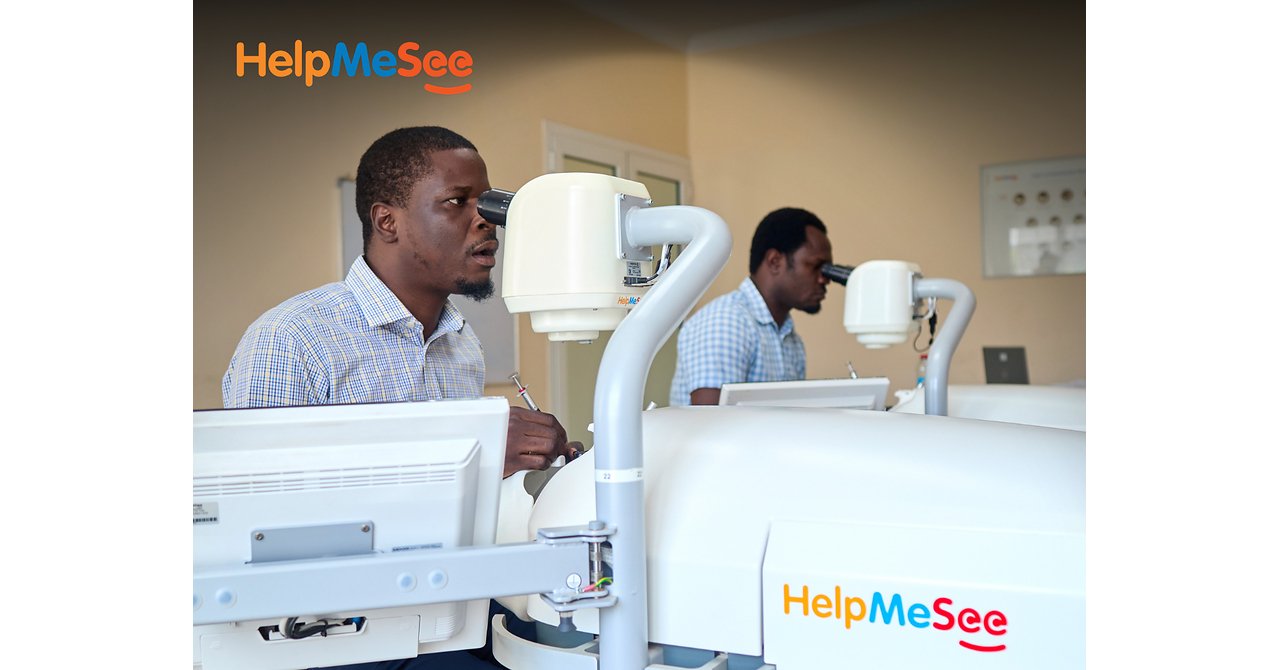
An estimated 94 million adults aged 50 or older have cataract-related visual impairment or blindness, and more than half of those needing cataract surgery worldwide lack access; in the WHO African Region, three in four remain untreated. HelpMeSee is calling for sustained investment in trained surgical teams and promotes simulation-based training using virtual reality and haptic feedback. The WHO began public consultation in September on a proposed initiative supporting a goal to increase effective cataract surgery coverage by 30 percentage points by 2030.
Analysis
Investment read-through is indirect and currently too weak for a directional public-equity trade. The relevant mechanism is whether workforce investment converts unmet need into funded, completed procedures—not whether simulation training attracts policy attention. If programs scale, recurring procedure-linked inputs (notably intraocular lenses and consumables) may capture more value than premium surgical platforms. Conversely, wider use of lower-cost manual techniques could constrain the addressable market for capital-intensive phaco systems in price-sensitive settings; any effect on Alcon, Carl Zeiss Meditec or Johnson & Johnson would depend on their product mix, local distribution and actual procurement, none of which is established here.
The key execution risk is that training does not remove affordability, facility, follow-up or referral bottlenecks. A 2030 coverage ambition is not itself a funded procurement commitment, and a consultation or summit can produce visibility without budgets, accreditation standards or measurable procedure growth. Near term, the event-driven attention is unlikely to change earnings. Over 1–3 months, watch for government funding, donor commitments and explicit procurement or training contracts. Over 6–18 months, the signal becomes investable only if trained capacity translates into higher completed surgeries and quality outcomes. No company identities or tickers are supplied, and HelpMeSee is a nonprofit; the article does not identify a listed beneficiary or establish commercial scale for its simulation system.
AllMind Terminal
AI-powered research, real-time alerts, and portfolio analytics for institutional investors.
Request TrialMarket Sentiment
Overall Sentiment
neutral
Sentiment Score
0.05
Key Decisions for Investors
- No immediate position: treat this as a healthcare-access signal, not an earnings catalyst. Avoid trading broad medtech names on the press release alone.
- Set an alert for concrete post-summit commitments: funded surgical-training cohorts, facility expansion, procurement awards, or national coverage plans with timelines. Verify who supplies equipment and consumables before attributing upside to any manufacturer.
- For Alcon, Carl Zeiss Meditec and Johnson & Johnson, monitor whether emerging-market procedure growth favors recurring lens/consumable revenue or substitutes lower-cost manual surgery for premium capital equipment; do not assume a net beneficiary without product-level evidence.
- Falsification / downgrade trigger: public commitments remain aspirational, or later reporting shows trained personnel are not translating into more completed procedures, durable quality outcomes, and funded access.
More News
- Israel’s economy prospers despite years of war, but prices worry voters
- Verizon stock heads for worst day since 2002 as SpaceX U.S. network plans whack telcos
- SpaceX’s Wireless Threat Rises With Spectrum Deal
- Why is the Chinese stock market missing the AI rally
- What's behind the recovery rally in tech stocks — plus, Elon Musk's very good week
- Tesla drops 'Full Self-Driving' brand name in Europe after regulator pushback