
Aeson Power lanza soluciones de baterías de iones de sodio en Automechanika Frankfurt
Source: PR Newswire
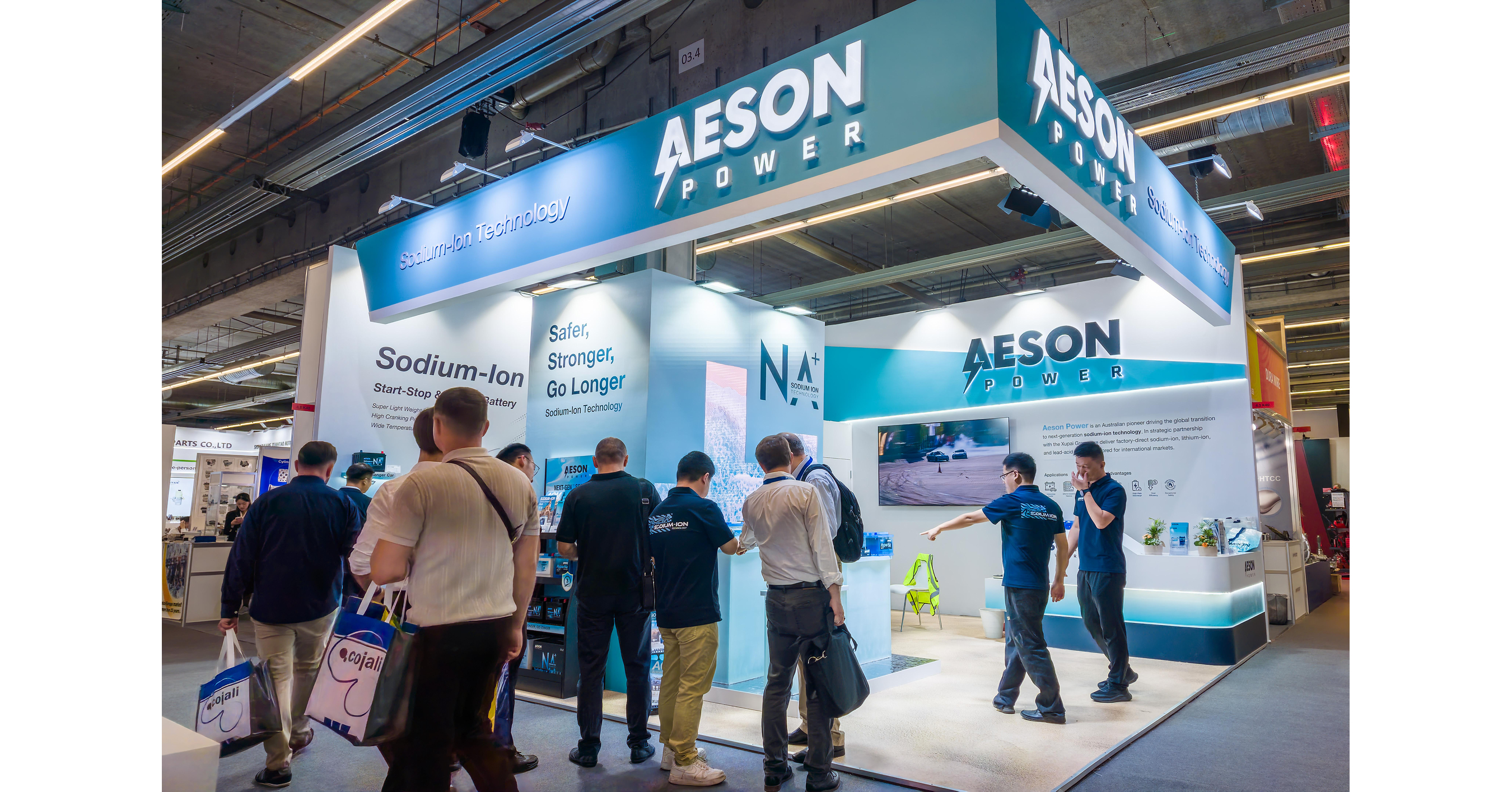
Aeson Power launched sodium-ion auxiliary battery solutions for EVs and commercial vehicles at Automechanika Frankfurt 2026, expanding beyond its established start-stop and starter-battery offerings. The company says its sodium-ion batteries can deliver three times the service life of conventional lead-acid batteries in start-stop applications; it has already placed more than 100,000 units across over 30 countries. Aeson is pursuing OEM fitment opportunities with Xupai Group, leveraging battery R&D, BMS and system-integration capabilities for production-ready low-voltage vehicle systems.
Analysis
This is not yet an investable demand signal, but it reinforces a medium-term substitution risk for the 12V lead-acid ecosystem. Sodium-ion’s most credible automotive entry point is auxiliary power rather than traction: OEM qualification cycles are shorter, energy-density penalties are less relevant, and eliminating lead-acid replacement/maintenance can improve fleet total cost of ownership. If adoption progresses, the first pressure point is likely aftermarket replacement volumes and pricing for Clarios-like private suppliers, rather than listed EV battery leaders.
For CATL (300750.SZ) and BYD (1211.HK/002594.SZ), sodium-ion auxiliary systems could be strategically positive because they reduce exposure to lithium price volatility and lower bill-of-materials costs on entry EVs and commercial vehicles. The financial impact over the next 1-3 months is likely negligible: trade-show engagement and claimed installed base do not establish OEM design wins, validated cold-crank performance, warranty reserves, or scalable cell economics. The relevant catalyst window is 6-18 months, when named OEM nominations, homologation disclosures, and procurement contracts can validate whether sodium-ion moves beyond niche aftermarket use.
Contrarian view: sodium-ion may remain a complement, not a meaningful displacement threat. Modern 12V lead-acid systems are extremely cheap, recycling infrastructure is mature, and OEMs are reluctant to add BMS/software complexity for a low-value subsystem. A sustained lithium-price decline would also reduce the relative cost advantage of sodium-ion, while failures in extreme-temperature durability could quickly impair adoption given the safety-critical nature of vehicle auxiliary power.
AllMind Terminal
AI-powered research, real-time alerts, and portfolio analytics for institutional investors.
Request TrialMarket Sentiment
Overall Sentiment
moderately positive
Sentiment Score
0.48
Key Decisions for Investors
- No directional trade on this release; treat it as a watch item until a named OEM contract, annualized unit commitment, or independently verified lifecycle/warranty data emerges.
- Build a 6-18 month watchlist long CATL (300750.SZ) versus short/underweight Svolt- or lithium-intensive battery proxies only if sodium-ion OEM design wins become disclosed; the thesis requires evidence that lower-cost auxiliary architectures translate into cell-volume scale, not merely marketing activity.
- Monitor Johnson Controls (JCI) and EnerSys (ENS) for commentary on automotive/industrial lead-acid replacement pricing and volume. Do not short solely on sodium-ion headlines: JCI has diversified building exposure and ENS is weighted toward reserve-power/industrial markets, limiting direct sensitivity.
- Set falsification triggers: abandon the substitution thesis if no OEM nomination is announced within 12 months, if sodium-ion auxiliary packs fail to demonstrate multi-year warranty economics, or if lead-acid aftermarket pricing remains stable despite purported scale-up.
More News
- Here’s the ‘core economic flaw’ in the AI bull case as stock and bond trades unravel, according to a top economist
- How Pepsi fell behind in the cola wars—and then lost KFC
- 5 big analyst AI moves: ’Uniquely catalyst-rich’ months ahead for SpaceX
- The experience economy keeps defying expectations. Maybe we’ve been looking at it all wrong
- Braskem creditors, shareholders near deal on $11bn debt restructuring
- Xencor reports phase 1 data for cancer drug XmAb819