
Bank ETFs in Spotlight as Next Week's Fed Rate Hike Odds Hit 70%
Source: zacks.com
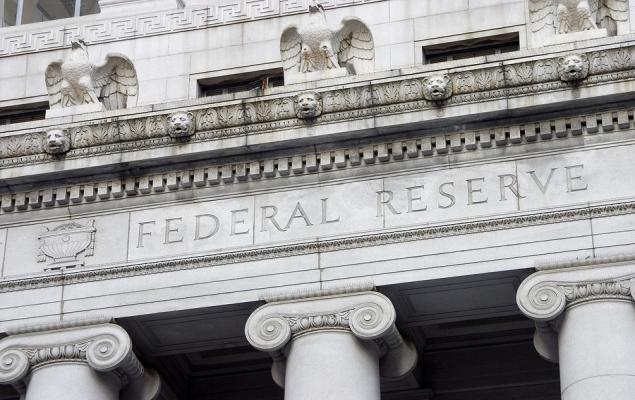
CME FedWatch pricing assigns a 70% probability of a Fed rate hike next week and nearly a 60% probability of another increase before year-end, following a 0.4% August PPI gain that lifted annual wholesale inflation to 5.4%. Core and headline PCE inflation were 3.3% and 3.7%, respectively, in July, while crude oil moved above $100 per barrel amid Middle East hostilities, reinforcing inflation risks. Higher rates could widen bank net interest margins but also weaken loan demand and credit quality; bank ETFs KBWB, KBE and KRE are up 14.2%, 12.0% and 13.9% year to date, respectively.
Analysis
The relevant trade is not broad bank beta but deposit-franchise quality. A late-cycle hike generally has limited incremental NII benefit once deposit betas accelerate; JPM is better insulated by its scale, diversified fee base and excess liquidity, while KRE constituents face more acute pressure from commercial-real-estate refinancing, uninsured-deposit sensitivity and securities-duration marks. The likely 1-3 month outcome is dispersion rather than a sector-wide rerating.
Higher energy-driven inflation is particularly unfavorable for lenders because it raises consumer and small-business stress before nominal loan yields can fully reset. Watch credit-card and commercial criticized-loan trends in third-quarter disclosures: a 10-20 bp increase in net charge-off guidance would likely overwhelm any modest NII upside for BAC, WFC and especially regional-bank exposures. Conversely, a soft CPI print or a dovish hold would remove the near-term rate catalyst but could support banks through lower funding costs and improved credit expectations.
CME offers a cleaner expression of policy uncertainty than banks: sustained rate-path disagreement and elevated energy volatility should support futures/options volumes without assuming that higher rates are economically constructive. The contrarian view is that the market may be overpaying for a one-meeting bank-NIM trade after strong year-to-date performance; a hike accompanied by restrictive guidance would steepen credit-loss expectations and compress bank multiples. The thesis is falsified if deposit costs remain contained in upcoming bank disclosures and forward loan-growth guidance improves rather than deteriorates.
AllMind Terminal
AI-powered research, real-time alerts, and portfolio analytics for institutional investors.
Request TrialMarket Sentiment
Overall Sentiment
mixed
Sentiment Score
0.05
Ticker Sentiment
Key Decisions for Investors
- Initiate a 1-3 month pair: long JPM / short KRE, sized beta-neutral. Target 5-8% relative outperformance if credit and deposit-cost dispersion widens; exit if KRE outperforms JPM by 5% following the decision or if regional-bank deposit growth reaccelerates in third-quarter reports.
- Accumulate CME on weakness ahead of CPI/Fed events rather than add broad bank exposure. A 6-12 month position captures elevated interest-rate and energy-hedging activity; reduce if post-meeting implied-rate volatility and average daily volumes both decline for two consecutive months.
- Avoid adding to BAC and WFC solely for NII upside until management updates deposit beta, revolving-credit charge-offs and commercial-real-estate reserves. Set an alert for any 10 bp-plus increase in 2026 net charge-off guidance or a reduction in NII guidance, which would turn the apparent rate tailwind into an earnings-risk event.
- For tactical downside protection around the decision, buy 1-2 month KRE put spreads rather than shorting KBWB outright: regional banks carry the greater asymmetric credit/funding downside, while KBWB's money-center exposure dilutes the rate-hike risk.
More News
- Federal Reserve is likely to hold interest rates steady in October. Here's what that means for consumers
- +52%, +39%, +22%: Our AI just called these blue-chip breakouts
- Carnage beneath the record high: How to find cheap stocks without the traps
- Why is PagSeguro Digital stock plummeting 30% today?
- Investors are doing just as well this year by shunning AI. How to invest if the tech trade keeps fizzling
- EQT Announces Strategic Acquisition of Range Resources, Creating America's Undisputed Natural Gas Champion